Aftermath
What were the long-term successes and failures of U.S. strategy during the Cold War?
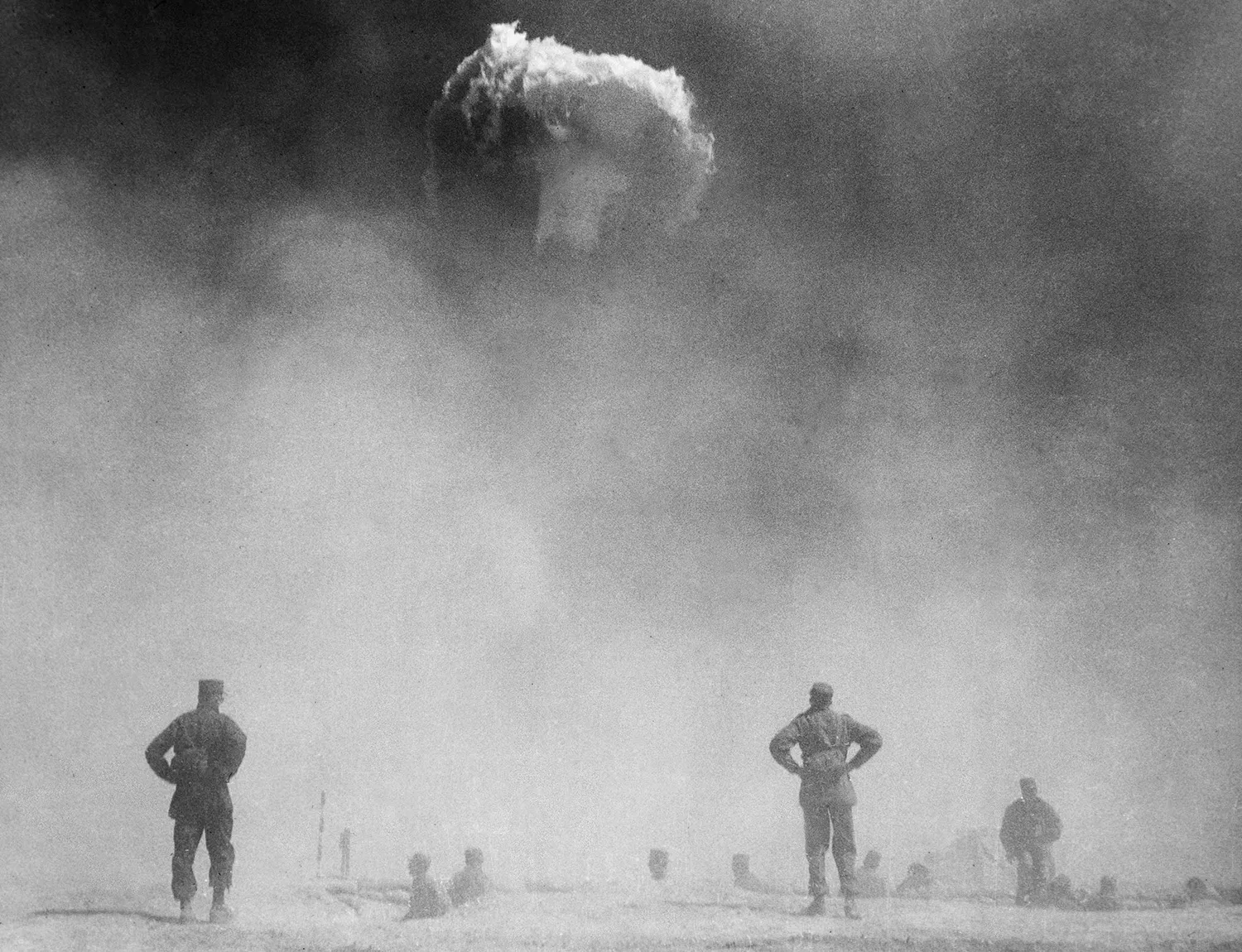
In the decades following NSC-68, the United States and Soviet Union competed for influence across the globe. As the document envisioned, Washington used a wide array of tools to fight the Cold War.
Military Interventions: In the Korean War, which catalyzed militarized containment, the United States and allied forces prevented a communist takeover of South Korea. But the war ended in a stalemate after Chinese intervention. The costs were steep: nearly thirty-seven thousand Americans and an estimated two million Koreans were killed.
The logic of militarized containment later drew the United States into Vietnam. Fearing a communist victory would trigger a domino effect, the United States escalated its involvement throughout the 1960s, eventually deploying ground troops. The war ended in 1975 with a communist victory and resulted in over fifty-eight thousand American deaths and millions of Vietnamese casualties. Vietnam prompted many Americans to grow disillusioned with militarized containment. In the 1970s, that dissatisfaction helped motivate Presidents Richard Nixon, Gerald Ford, and Jimmy Carter to pursue détente with the Soviet Union—seeking to manage competition through diplomacy rather than confrontation.
Nuclear Competition: The United States and Soviet Union engaged in an escalating arms race, each stockpiling tens of thousands of nuclear weapons to deter an attack. That arms race produced some close calls; in 1962, the Cuban Missile Crisis brought the superpowers to the brink of nuclear war, underscoring how easily the Cold War could turn hot.
Covert Operations: The CIA supported anti-communist movements and helped overthrow governments in Chile, Guatemala, and Iran. Although some operations achieved short-term goals, many carried long-term costs. A 1953 U.S.-backed coup in Iran, for example, helped install a government whose repressive policies fueled a revolution that brought a hostile, anti-Western government to power.
Cultural Competition: The United States sought to win a battle for hearts and minds by funding radio broadcasts into the Soviet bloc and sponsoring international tours by jazz musicians like Dizzy Gillespie. The State Department and CIA funded literary magazines and artists around the world, promoting American culture as a symbol of freedom.
Economic Support: Policymakers sought to replicate the success of the Marshall Plan elsewhere. In 1961, for instance, President John F. Kennedy established the United States Agency for International Development (USAID), which channeled foreign assistance to counter communist appeal in the developing world.
Interests and Ideals
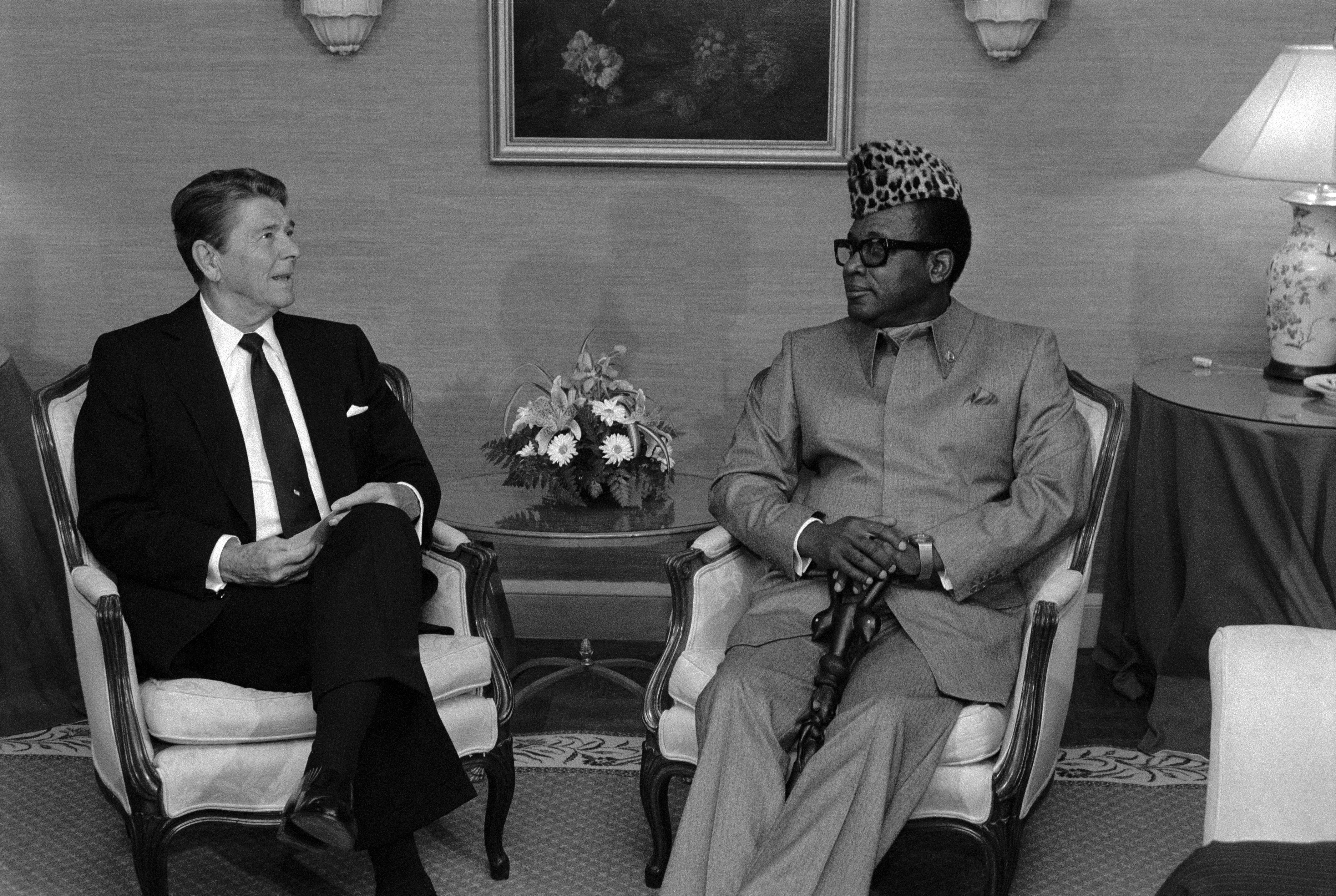
Beyond strategy, the Cold War raised difficult questions about balancing U.S. interests and values. Truman had framed containment as a defense of “free peoples,” but in practice, the United States often supported authoritarian leaders—calculating that friendly dictators were preferable to communist takeovers. Critics argued that approach undermined American values. Defenders maintained that preventing Soviet expansion justified difficult trade-offs.
Yet the U.S. record was not uniformly bleak. The United States helped rebuild Japan and West Germany as democracies. And when the Soviet Union pushed for an agreement to formalize postwar boundaries, the United States secured commitments to human rights standards in exchange. The resulting Helsinki Accords gave dissidents in the Eastern Bloc leverage to demand change.
Did Containment Work?
The Cold War stayed cold and ended with the collapse of the Soviet Union. In that sense, containment succeeded.
But the strategy came at a cost. Military interventions in Korea and Vietnam killed millions. A deadly arms race brought the world to the brink of catastrophe. Covert operations and U.S. support for authoritarian leaders left legacies of instability and animosity toward the United States that the country continues to grapple with today. Historians debate whether going to such lengths was necessary to contain the Soviet Union. Could an alternative approach have achieved U.S. goals at a lower human, financial, and moral cost?
What is clear is that the doctrine of containment, and the strategies laid out in NSC-68, established a framework that shaped American foreign policy for four decades. The massive military establishment, the global network of alliances, the willingness to intervene against communist movements worldwide—all flowed from choices made in the early 1950s. That framework had costs, but it also built alliances and institutions that endure to this day and helped shape American identity as a global power committed—however imperfectly—to promoting democracy, peace, and human rights.
On the following page we’ll provide a discussion activity about U.S. Cold War strategy. Alongside that activity, consider the following discussion questions:
- Do you think the costs of containment were justified by the outcome? Do you think a different strategy could have achieved the same outcome?
- Truman framed containment as a defense of “free peoples.” How well did U.S. Cold War policies live up to that framing? What tensions do you see between American ideals and Cold War strategy?
- Compare the foreign policy challenges the United States faced in 1950 to the challenges it faces today. What similarities or differences do you see?