Overview of the Birth of U.S. Cold War Strategy
This collection of resources facilitates critical analysis of a pivotal moment in U.S. foreign policy history. It contains a brief historical overview, a curated set of primary source documents, a short reading on the aftermath and legacy of the event, and a classroom discussion activity in which learners can synthesize their knowledge.
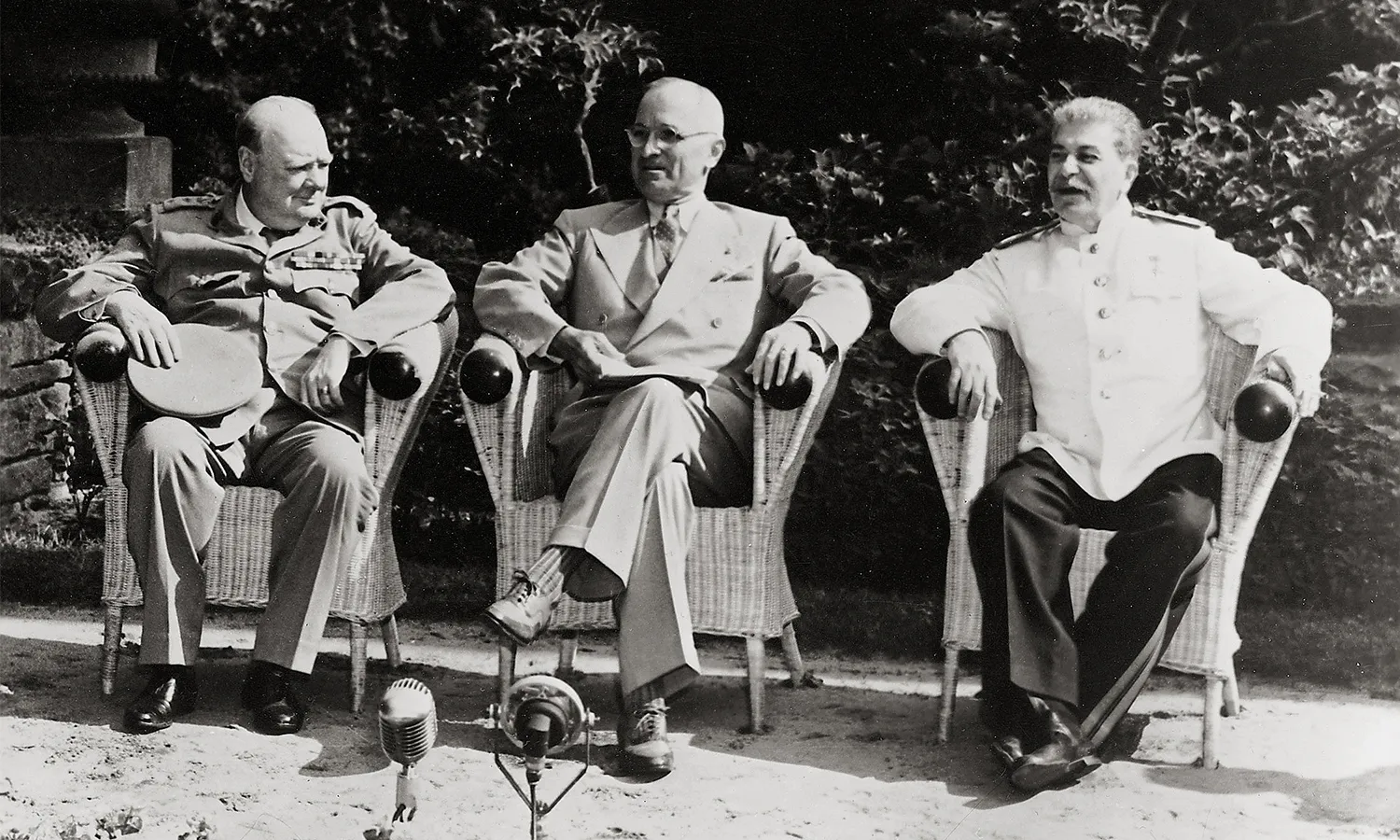
What factors led the United States to define its interests globally after World War II?
The United States emerged from World War II stronger than ever. Its industrial capacity had ballooned, setting the stage for a postwar economic boom. U.S. leaders had played an instrumental role in shaping the postwar order, placing the United States in a position of leadership in institutions like the United Nations. The U.S. military was also dominant: technologically advanced, battle-tested, and the only force in the world to possess nuclear weapons.
But the war had also left Americans shaken. Two global conflicts in a single generation had killed tens of millions of people. The Japanese attack on Pearl Harbor had proven that foreign militaries could strike the United States, even across oceans. And atomic weapons threatened to make a future conflict even more devastating. No one wanted another world war.
U.S. leaders wondered where the next threat to peace would come from. A confrontation with the Soviet Union seemed an increasingly likely answer. Though it had been a U.S. ally during the war, the Soviet Union sought to expand its postwar influence in Europe, alarming U.S. policymakers. Meanwhile, European powers like Britain and France, weakened by the war, were in no position to confront Soviet expansion.
The strategies that the United States would develop to counter the Soviet Union would come to define U.S. foreign policy for decades.
A New Kind of Conflict
Soon after World War II ended, the Soviet Union began tightening its grip on Eastern Europe, backing communist-led governments in Bulgaria, Poland, and Romania. In February 1946, Soviet Premier Joseph Stalin gave a speech framing the capitalist West as a threat and calling for rapid military-industrial development.
Those actions fueled alarm in Washington, DC. Many U.S. officials had hoped the wartime alliance would continue. Others, however, were growing skeptical. They looked to understand what was motivating Soviet behavior and what the United States could do about it.
George Kennan, a diplomat and expert in Soviet politics, offered an explanation. In a secret telegram from Moscow, he argued the Soviets were acting on deep-seated “expansive tendencies” influenced both by Russia’s history and a fear of being encircled by hostile capitalist powers. Kennan predicted that Soviet leaders wouldn’t listen to diplomacy or economic incentives, but they were cautious; the Soviets would withdraw if they met resistance.
Events in the following year gave weight to Kennan’s assessment. In Turkey, the Soviet Union pressed for greater control over strategically vital straits between the Black and Mediterranean Seas. Meanwhile, in Greece, communist rebels sought to topple the country’s monarchy. If they prevailed, policymakers worried Greece could align with the Soviet Union. Worse, a communist takeover in Greece could embolden similar movements elsewhere.
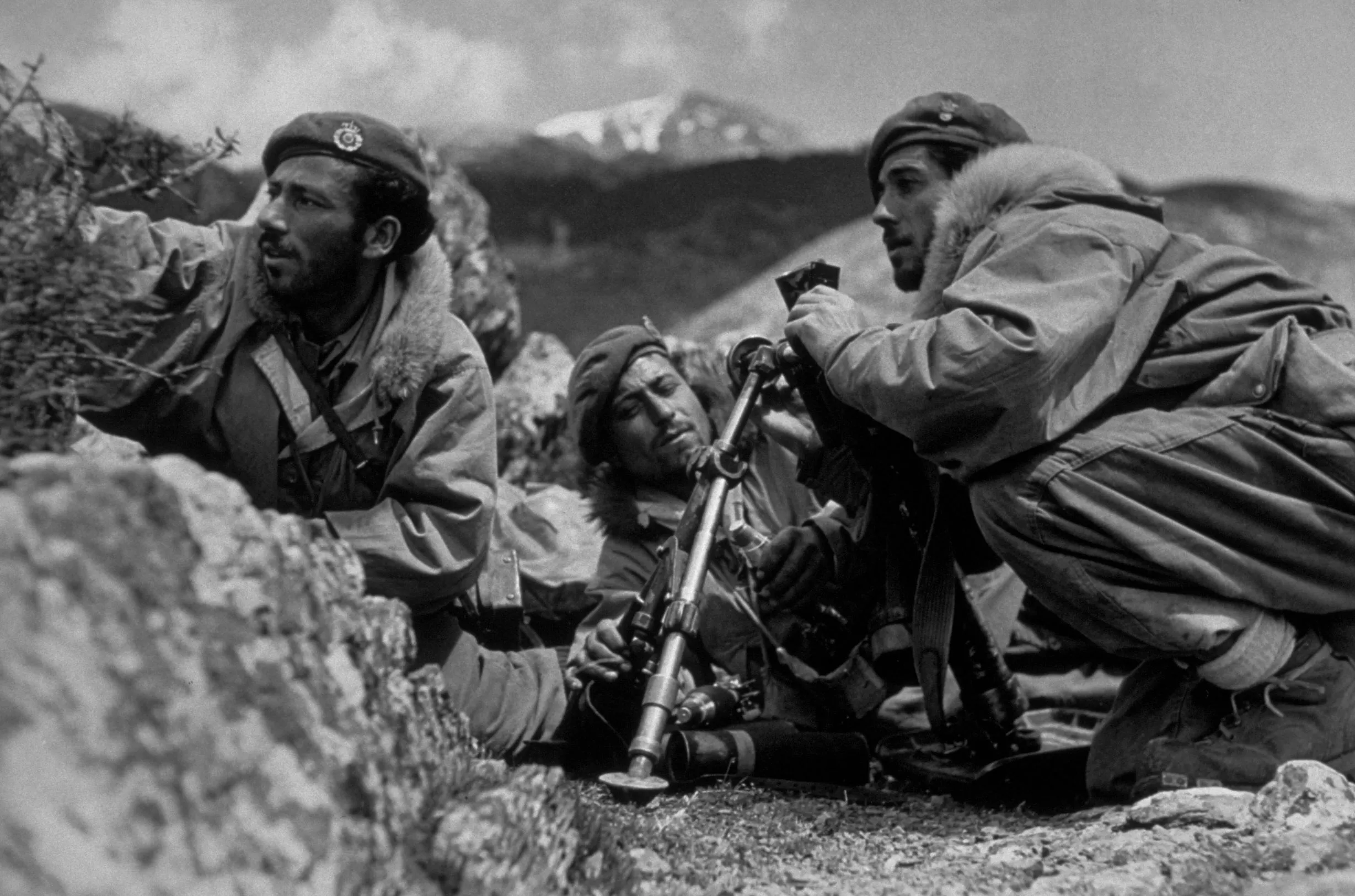
Britain had been providing financial support to both countries, but in February 1947, it informed the United States that it could no longer afford to keep doing so. U.S. President Harry S. Truman decided to act. He called on Congress to help aid Greece, Turkey, and all other “free peoples” under threat. Congress agreed, sending $400 million in support.
A new strategy was taking shape based on Kennan’s logic. If changing Soviet behavior was not an option, U.S. leaders concluded that the best path forward was to prevent Soviet expansion wherever possible. In an article in Foreign Affairs magazine, Kennan gave that new strategy a name: containment.
Containment was not the only approach on the table. Some hoped cooperation with Moscow was still possible and feared that adopting an adversarial stance would make confrontation a self-fulfilling prophecy. Others argued the opposite: that the United States should not just contain Soviet influence but actively roll it back.
Debates continued, but by 1947, the Truman administration’s approach to the Soviet Union increasingly embraced containment. Rather than accept Soviet expansion or risk a direct war by attempting to roll it back, Truman set the stage for a Cold War, in which the United States would compete for influence and seek to deter Soviet expansion without triggering open combat.
The Early Years of Containment
Containment called for coordinated diplomatic, economic, and military efforts. Leaders realized that the government’s existing institutions were not up to the task. Months after approving aid to Greece and Turkey, Congress passed the National Security Act, transforming the U.S. government. The act consolidated the U.S. military’s branches under a single Department of Defense, created the CIA to gather intelligence and conduct covert operations, and created the National Security Council to coordinate foreign policy across various agencies.
With those new institutions, the United States began to implement containment, initially focusing on economic and diplomatic engagement in Europe.
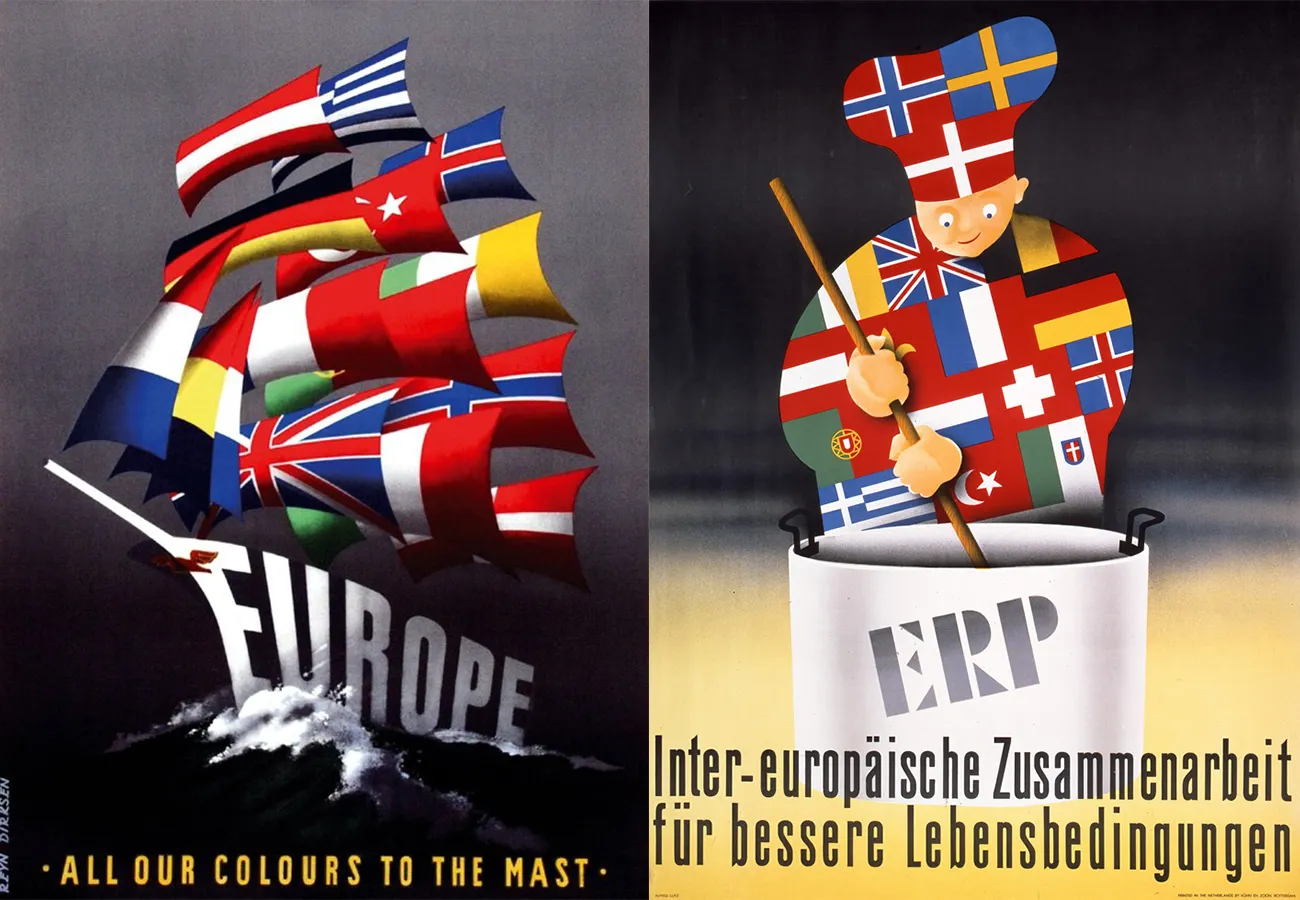
In 1948, the United States launched the Marshall Plan, a multibillion-dollar project to assist European economies decimated by World War II. Policymakers feared economic instability could push countries toward the Soviet Union. Supporting their recovery helped reinforce U.S.-European relationships, open European markets to U.S. goods, and dampen the appeal of communism.
Containment faced an early test when the United States sought to deliver aid to Germany, which remained divided under joint occupation by the Soviet Union and Western allies. The Soviet Union cut off road and rail access to West Berlin, seeking to force the Western powers out. Rather than abandon Berlin or risk war by breaking through the blockade, the United States and its allies organized a massive airlift, flying supplies into the city for nearly a year. (The Soviets left the air corridors open, assuming an airlift was impossible and because closing the skies would have meant shooting down Allied planes).
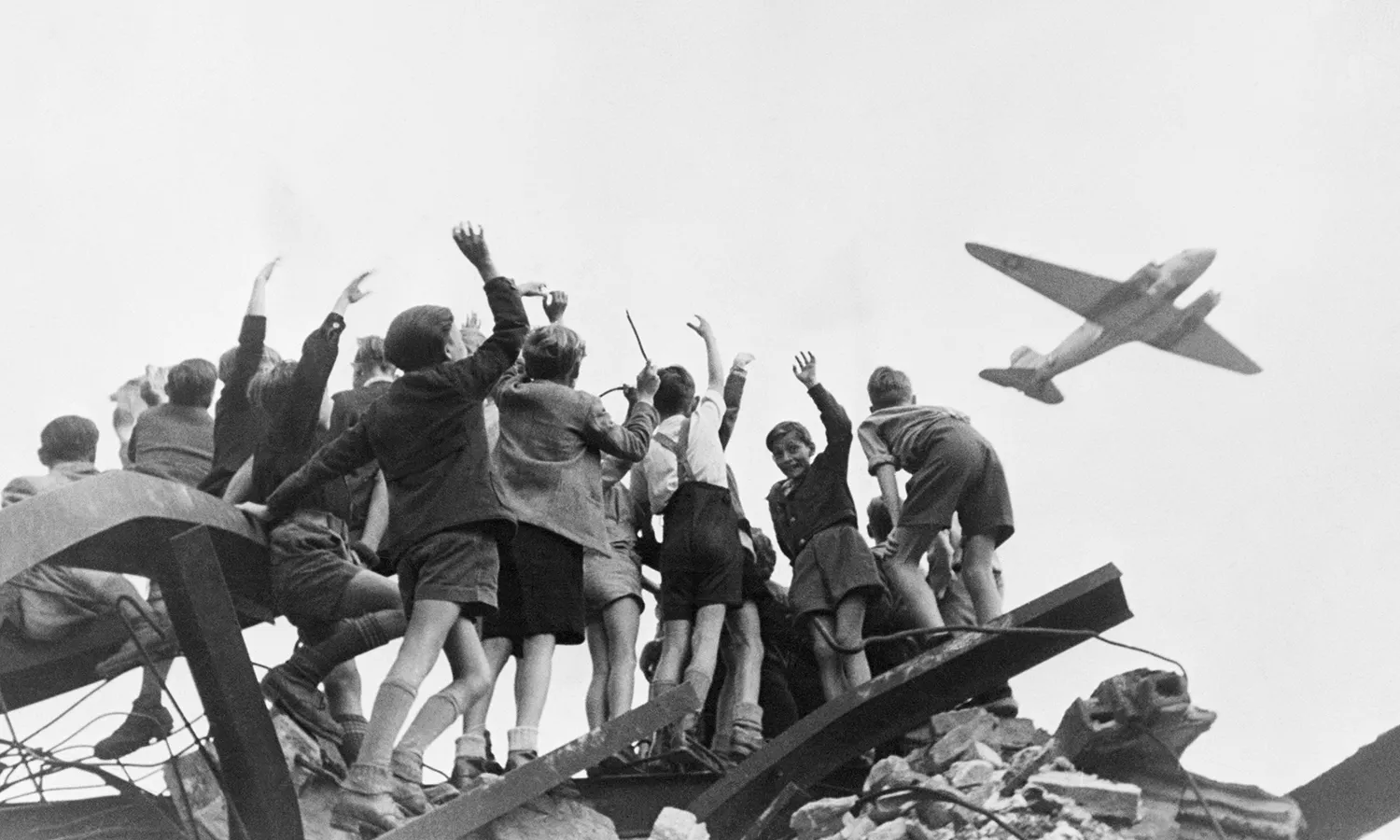
That crisis accelerated efforts to formalize Western alliances. In 1949, the United States, Canada, and ten European countries formed NATO. Members pledged to treat an attack on one as an attack on all. The alliance bound the United States to the defense of Europe—a commitment many Americans had found unthinkable just a decade earlier.
By mid-1949, containment appeared to be working. Western Europe was recovering. The Berlin blockade had failed. NATO had solidified opposition to Soviet expansion. And the United States still possessed a crucial advantage: it remained the only country to possess nuclear weapons.
But in the fall of the same year, two shocks upended that confidence.
NSC-68 Refines Cold War Strategy
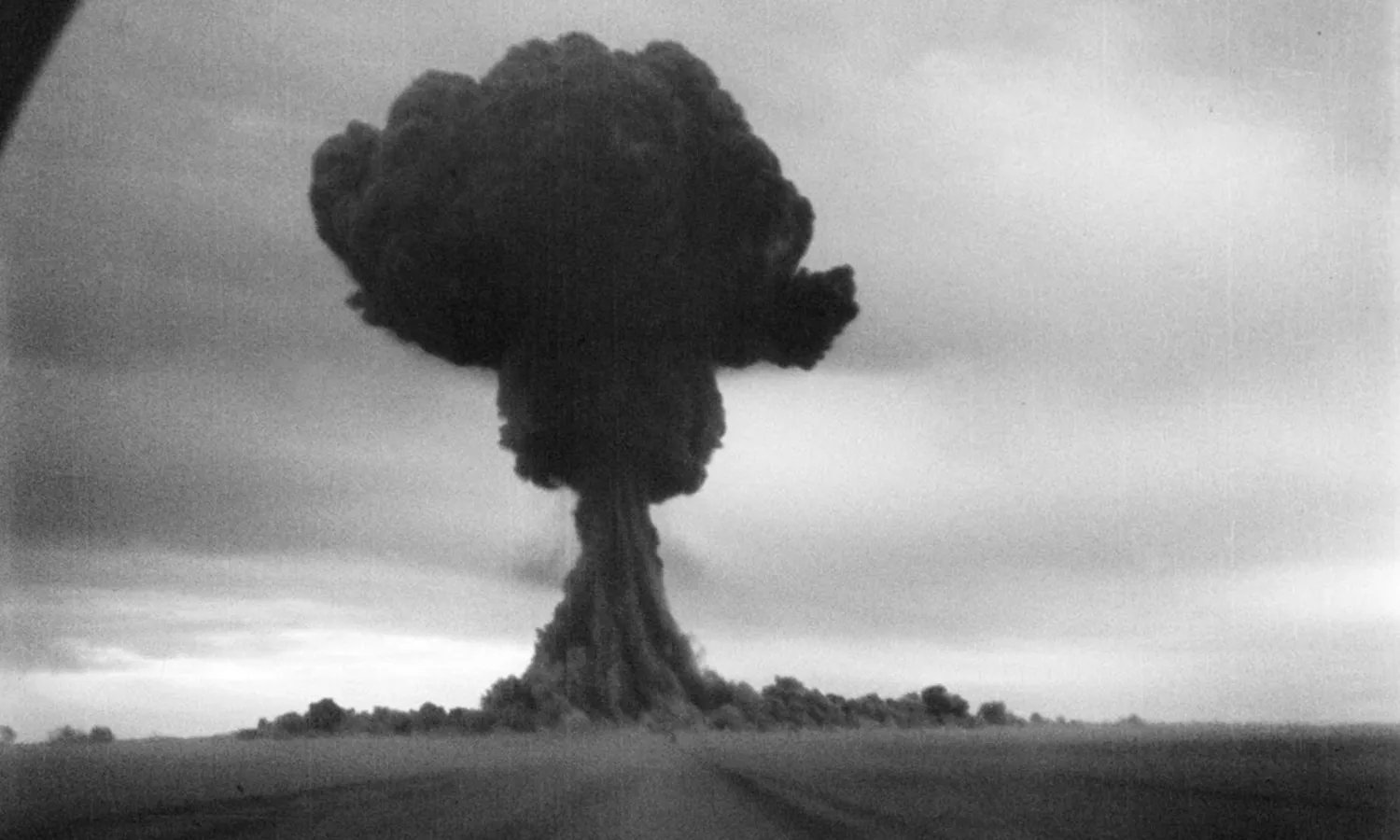
In September 1949, the CIA delivered an alarming report to Truman. “Abnormal radio-active contamination” had been detected over the North Pacific Ocean, likely from a nuclear explosion. The Soviet Union had tested its first atomic weapon. Few had expected the United States’ monopoly on nuclear weapons to end so soon.
Weeks later, another blow landed. The Chinese Communist Party emerged victorious from China’s civil war and announced the creation of the People’s Republic of China. The world’s most populous country had joined the Soviet bloc. Containment now appeared to be failing.
Truman called for a review of U.S. national security strategy. His advisors presented their findings in a memo, National Security Council Memorandum 68 (NSC-68). Despite its unremarkable name, the document would shape American foreign policy for decades.
NSC-68 painted a stark picture. The Soviet Union, it argued, was driven by a “fanatic faith” and sought “absolute authority over the rest of the world.” And now that the Soviet Union had nuclear weapons, the danger was existential: the Soviets could launch a devastating attack on the United States itself.
The document rejected several possible responses. Launching a preventive war was too risky. Diplomacy alone wouldn’t change Soviet behavior. And withdrawal from global affairs would surrender the world to communist expansion.
Instead, NSC-68 called for a dramatic transformation of U.S. foreign policy. It recommended massively expanding U.S. military forces and building up the country’s nuclear arsenal. But military buildup was only part of the prescription. The paper called for a coordinated global effort: covert operations to undermine Soviet influence, economic and military aid to strengthen vulnerable allies, and vigorous diplomatic efforts to rally opposition to the Soviet Union.
Containment would no longer be reactive or regionally focused. It would be proactive, militarized, and global in scope.
The memo generated debate. Kennan, the architect of containment, believed NSC-68 overstated the Soviet threat and risked shifting a political contest to an overly militarized—and potentially more dangerous—confrontation. Truman, for his part, was initially skeptical of NSC-68’s massive costs.
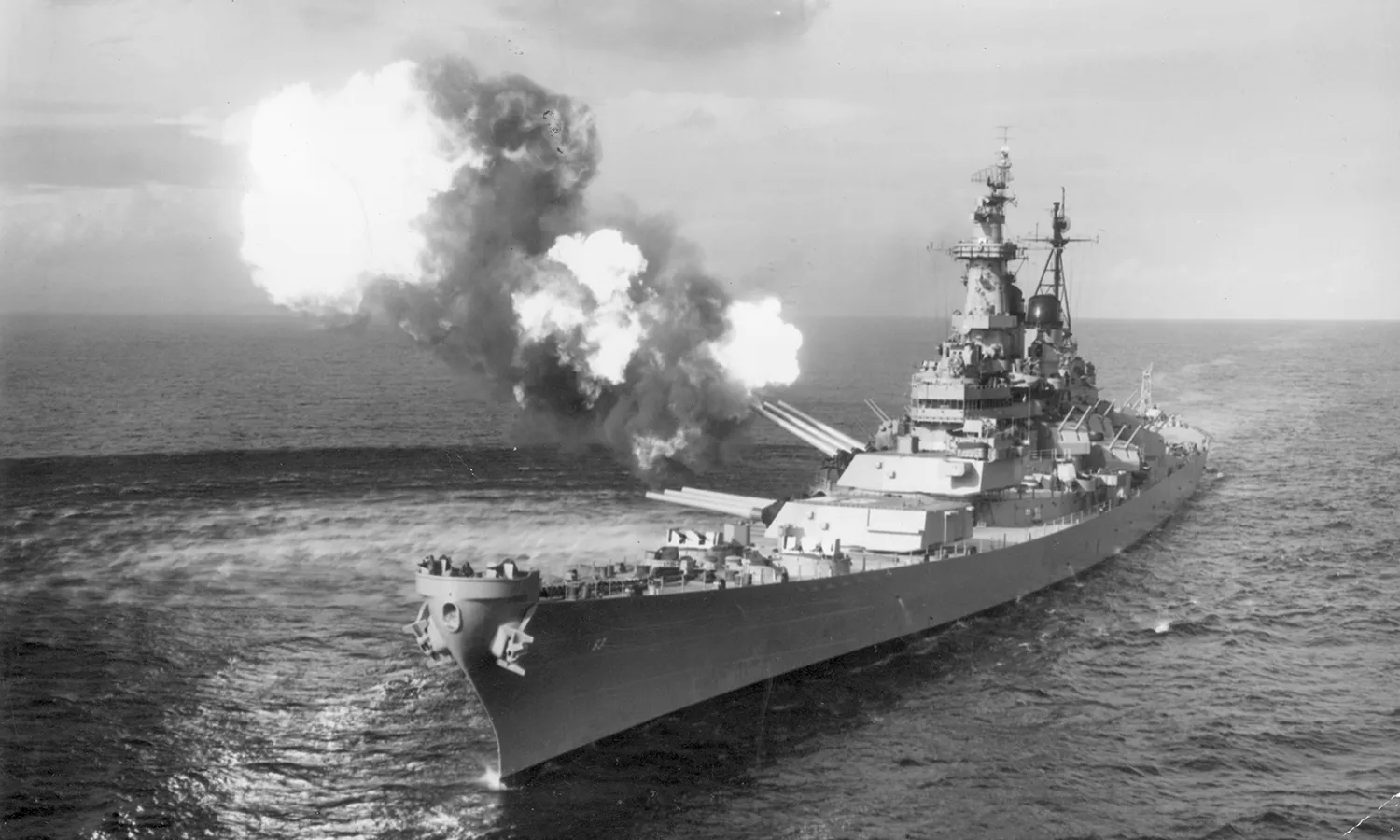
But in June 1950, events on the Korean peninsula forced the issue. North Korean forces, backed by the Soviet Union, launched a full-scale invasion of South Korea. The invasion seemed to confirm NSC-68’s warnings: the communists were on the offensive, and the United States had to respond.
Within months, Truman worked to make NSC-68’s recommendations official policy. In the decades that followed, the memo became the blueprint for how the United States would fight the Cold War.
On the following pages, we’ll explore primary sources related to the development of Cold War strategy. As you explore those documents, consider the following questions:
- What factors do you think contributed most to the U.S. decision to adopt a strategy of containment after World War II?
- Why do you think NSC-68’s authors rejected alternatives like diplomacy or withdrawal from global affairs? Do you find their reasoning persuasive?
- If you had been advising Truman in 1950, would you have supported NSC-68's recommendations? What alternatives would you have proposed?