Regional Politics: The Americas
From U.S. immigration to climate change, learn about ten key relationships and issues defining the region.
Throughout the modern history of the Americas, the United States has been the region’s preeminent economic, military, and political power.
During the Cold War, the United States aided coups and supported pro-American strongmen in a bid to ward off communism.
Today, the United States is Latin America’s top trading partner. Politically, the United States still makes decisions that shape the region, from crafting new immigration policies to rewriting trade deals. And in terms of security, the United States—the region’s lone nuclear power—is also the Americas’ undisputed military heavyweight, spending over ten times more on defense than the rest of the region combined.
While there have been relatively few modern wars or acts of terrorism in the Americas, the region has not been free of geopolitical challenges. Transnational issues such as the drug trade, mass migration, and political instability produced decades of conflict, which the United States and other regional leaders have struggled to address.
What’s more, China increasingly challenges the United States’ influence in the region through trade, diplomacy, and even a race to explore a warming Arctic Circle’s newly accessible natural resources.
Here are ten organizations, tensions, and developments that continue to drive events across the region.
1. OAS, CELAC, and UNASUR: A Messy History of Political Blocs
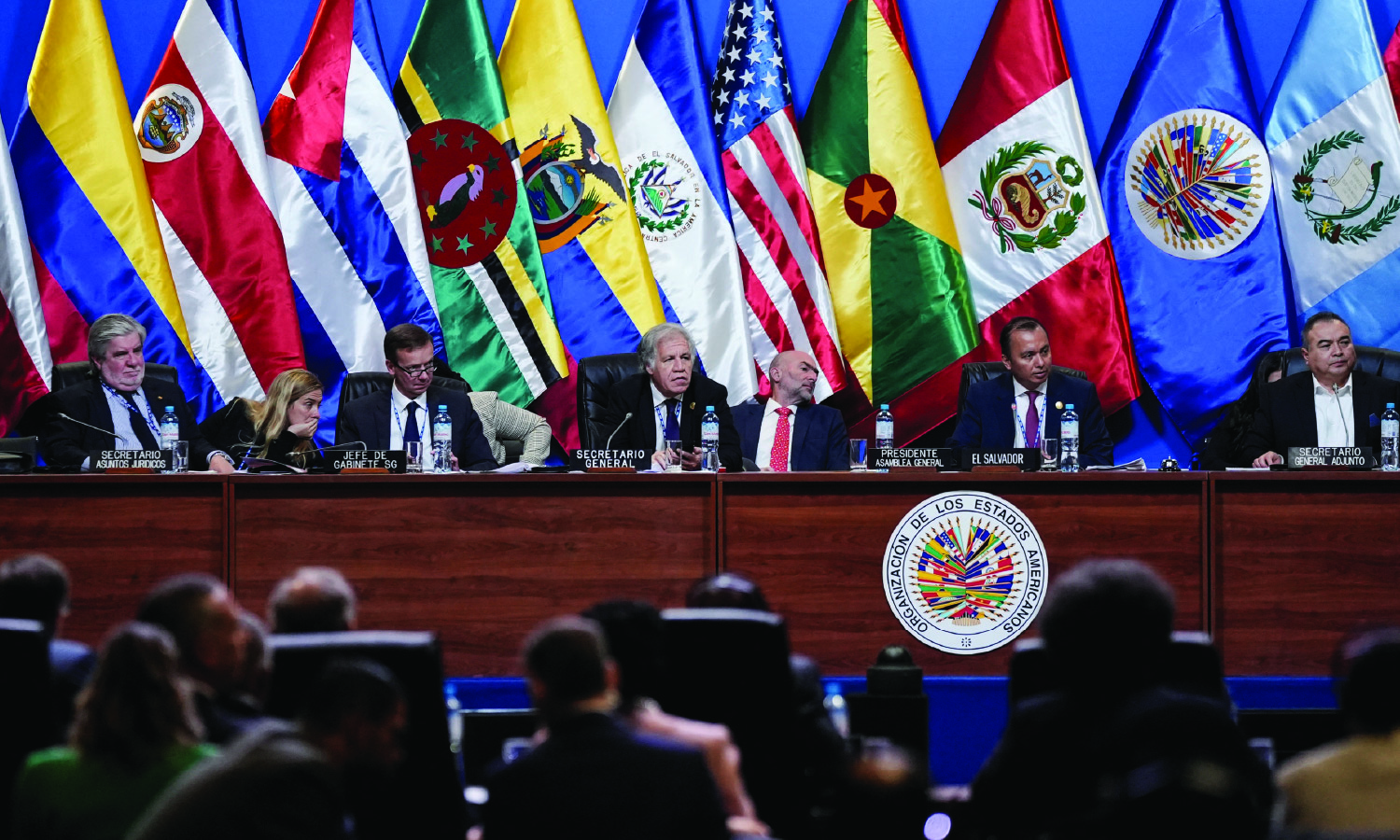
Latin America has struggled to form effective regional political organizations. For example, the Organization of American States (OAS)—which was founded in 1949 to promote democracy, human rights, and security and economic development—has been criticized by Latin American countries. Some view the OAS as a vehicle of U.S. interests. (Both the OAS and the Lima Group, another regional organization, have also been minimally effective. Each called for Venezuela’s authoritarian leader, President Nicolás Maduro, to step down, but Maduro remains in power.) To counter U.S. influence, several Latin American governments founded the Union of South American Nations (UNASUR) in 2008 and the Community of Latin American and Caribbean States (CELAC) in 2011. But both organizations have only met a handful of times and received sharp criticism for failing to intervene in the Venezuelan humanitarian crisis. Further, UNASUR fell apart after many countries suspended their membership. To replace it, right-wing leaders of several countries founded the Forum for the Progress and Development of South America (PROSUR), another regional organization intended to foster political cooperation. (After its first year, the organization took no concrete action despite several meetings.) Since 2023, new left-wing governments have rejoined UNASUR in an effort to reorganize the bloc.
2. Mercosur and USMCA: A Productive History of Trade Blocs
Latin America has been more successful in forming regional trade groups than regional political groups. Its largest trade bloc is the Southern Common Market (abbreviated Mercosur in Spanish). Mercosur originally formed to promote free trade and improve relations between Latin American countries. In 2024, Bolivia joined the bloc alongside its founding members; Argentina, Brazil, Paraguay, and Uruguay. (Mercosur also has several associate members, including Colombia and Ecuador.) Trade among members grew fivefold in the 1990s, though the bloc has since struggled to fully achieve its goal of forming a common market for South America. However, the Americas’ largest trading bloc is in North America. It includes just three countries that give the bloc its name: the United States-Mexico-Canada Agreement (USMCA). The agreement is an updated version of the 1994 North American Free Trade Agreement (NAFTA), which eliminated most tariffs between the three countries and encouraged economic integration. Both NAFTA and its successor have had a transformational effect on North America’s economic development. However, in 2025, the Donald Trump administration imposed a series of tariffs on Mexican and Canadian goods, threatening to undermine the USMCA and throwing the future of North American trade relations into uncertainty.
3. United States and Mexico: The World’s Busiest Border
Sharing a nearly two-thousand-mile-long border, the United States and Mexico have long maintained a close partnership—collaborating on issues like trade and drug enforcement. In recent years, however, one issue has exploded into a humanitarian and political crisis: immigration. Unauthorized immigration to the United States generally declined from 2000 to 2018. (The United States and Mexico have largely worked together to manage movement across the border.) But due to regional instability—particularly in places like Guatemala, Honduras, and Venezuela—U.S.-Mexico border crossings began to rise in 2018 and skyrocketed to record highs in the early 2020s. Crossings have since declined from their peak, but immigration remains a contentious issue. In the United States, a divided Congress has failed to agree on meaningful reforms. Policies that have been enacted have proven controversial. The U.S. “Remain in Mexico” program, for instance—which forces asylum seekers to stay in Mexico while their claims are reviewed—has exposed migrants to crimes like kidnapping and rape and drawn criticism for violating international law. Mexico, which lacks funds for deportation, has resorted to rounding up migrants and bussing them to the country’s southern border. Those actions decreased border crossings, but they also created friction between both countries and pose humanitarian challenges. Some observers argue U.S.-Mexico relations are too focused on migration—at the expense of cooperation on other issues like crime and drug trade.
4. Climate Change Threatens Caribbean Nations
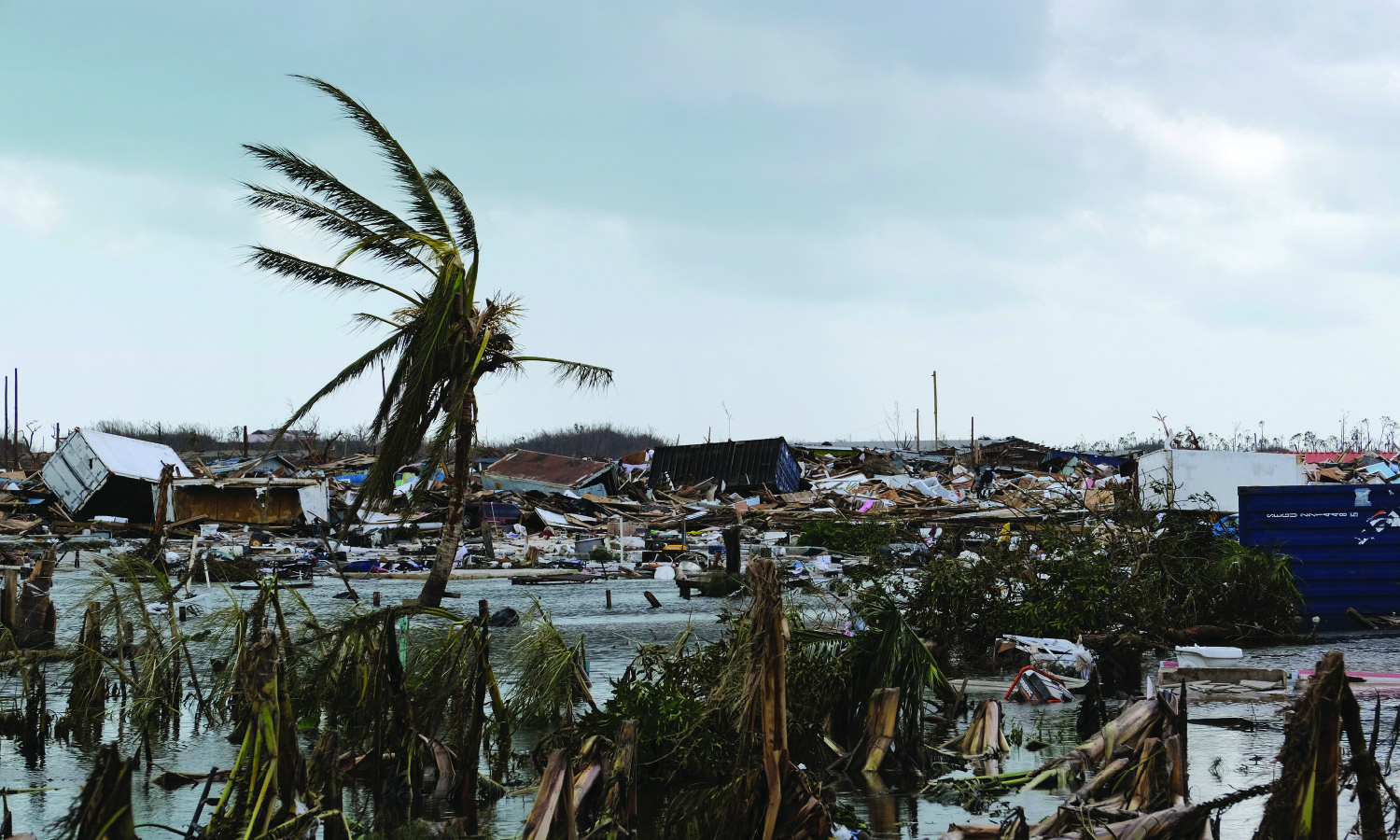
The Caribbean is one of the most vulnerable regions in the world. Some island countries, such as the Bahamas and Trinidad and Tobago, are only a few meters above sea level. When storms or hurricanes cause sea levels to rise, buildings and infrastructure face serious risks. Between 2008 and 2023, nearly ten million people across the Caribbean were displaced because of natural disasters. Those weather events also threaten agricultural land and crucial infrastructure like schools, hospitals, and power sources. In 2019, Hurricane Dorian cost the Bahamas nearly $3.4 billion in damages. Extreme weather threatens health as well. Increased rainfall, high temperatures, or longer dry seasons can worsen food and water insecurity. Against the backdrop of those threats, Caribbean governments have sought to coordinate climate action. The Caribbean Community Climate Change Centre (CCCCC), for example, collects climate data for the region and offers policy advice to regional governments. Other projects, such as the Climate Governance Initiative for the Caribbean, help guide Caribbean countries’ efforts to meet their Paris Agreement goals. Caribbean countries have also sought innovative ways of financing their climate action. Barbados, for instance, implemented the world’s first debt-for-climate swap, where the country can swap its debt for investments in climate adaptation projects.
5. Colombia and Venezuela: Catatumbo Strains Relations
Colombia’s president has called Catatumbo—an area on the border between Colombia and Venezuela—a “failure of the nation.” Thick with jungle cover and rich in resources like oil and coca, the region is strategically and economically important for armed groups. Two groups in Catatumbo are the National Liberation Army (ELN) and dissidents of the former Revolutionary Armed Forces of Colombia (FARC). For years, those leftist groups waged guerrilla war against other paramilitary groups, as well as the Colombian government, which they accused of unjustly consolidating power. In 2016, the government signed a peace agreement with the FARC, but members of the group rejected the deal and rearmed in Catatumbo. Recently, territorial competition between FARC dissidents, the ELN, and other forces has led to widespread violence. In January 2025, fighting killed nearly one hundred people and displaced thirty thousand more, with many fleeing to Venezuela. The ELN is considered a binational group, as at least one thousand of its fighters are based in Venezuela, where they enjoy some degree of local and economic political power. Some Colombians accuse Nicolás Maduro of protecting the ELN, whose drug corridors allegedly enrich Maduro’s regime. Meanwhile, Colombian and Venezuelan civilians face violence in a region that neither government has been able to control.

6. Venezuela and Guyana: Essequibo Is Valuable Territory
Venezuela’s Nicolás Maduro has long sought control over Guyana’s Essequibo region. The region borders Venezuela and makes up two thirds of Guyana. It’s rich in gold and copper, with recently discovered oil reserves also adding to the region’s resource wealth. Venezuela has long disputed the current border and even amassed troops there, threatening to annex Essequibo. In response, the United States has conducted joint military exercises with Guyana to deter Maduro. Brazil has also acted, sending troops to the border of both countries. According to some experts, Maduro continues to threaten Guyana as a tactic to build political support and distract from internal strife, including the country’s latest contested elections. And then there’s oil. Guyana’s oil production continues to increase, helping to drive Guyana’s economy. Venezuela’s oil production, however, has fallen in recent years. That makes the oil-rich Essequibo region even more attractive. In March 2025, a Venezuelan navy ship entered Guyanese waters, appearing to threaten an oil vessel. Experts claim that without international support or commitments to Guyana, Maduro will continue to escalate the situation toward a conflict.
7. Drug Trade Threatens Regional Security
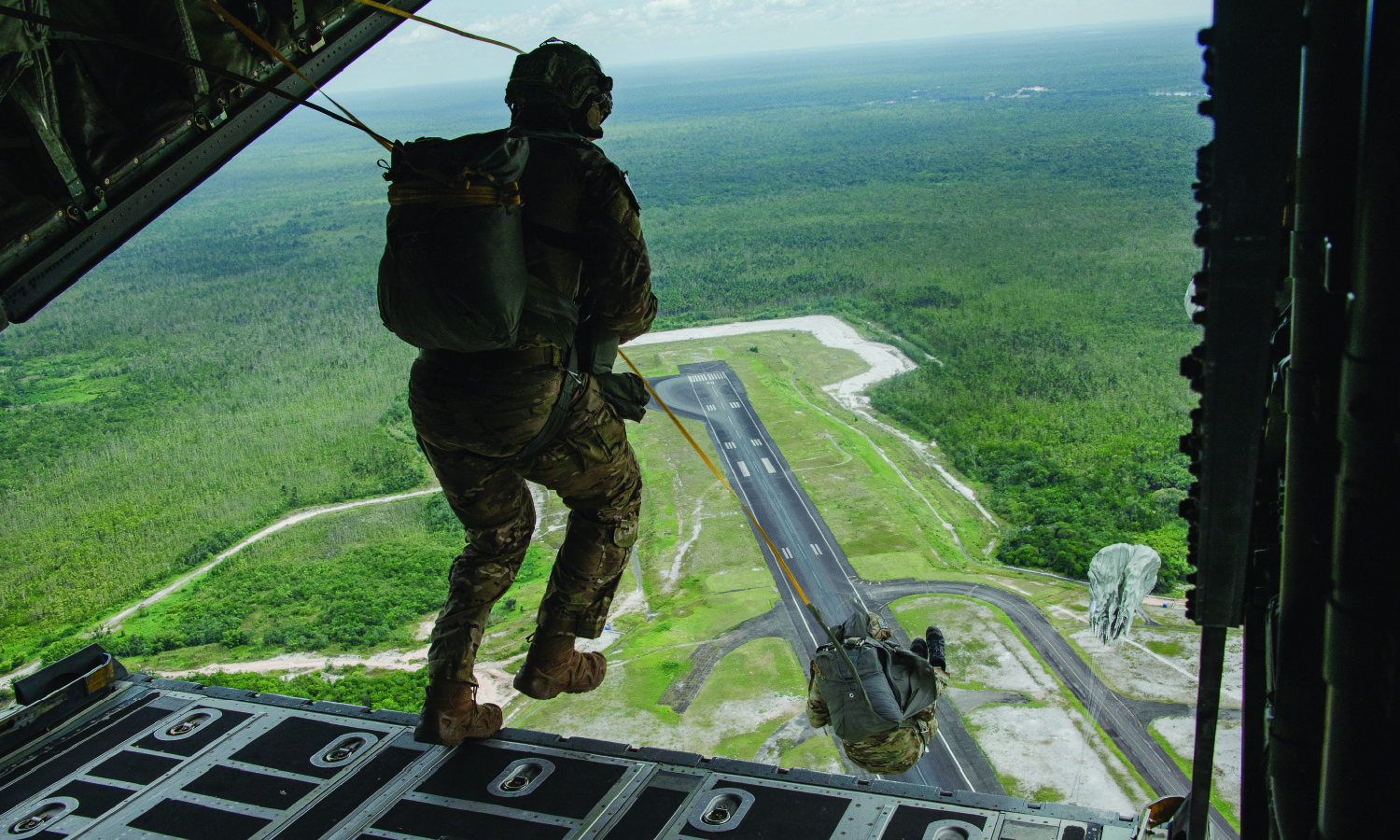
Since the rise of major drug cartels nearly fifty years ago, organized crime groups in the Americas have produced and trafficked illicit drugs—namely cocaine, heroin, cannabis, methamphetamine, and synthetic opioids such as fentanyl. Those drugs are mostly made in Latin America and moved by cartels into the United States, as well as parts of Asia and Europe. Cocaine is especially profitable because it is sourced from coca, a plant native to South America. Bolivia, Colombia, and Peru are the primary suppliers of cocaine, which is smuggled through key trafficking routes in countries like Brazil, Ecuador, and Mexico, as well as throughout the Caribbean. The drug trade is a multibillion-dollar business, making it an attractive source of income for a region where roughly 27 percent of people live in poverty. But it also threatens the region’s security. To maintain power, drug cartels and other crime groups use extortion, robbery, and murder—causing the countries where they operate to have some of the world’s highest homicide rates. Cartels also retain power by infiltrating political systems via bribery, intimidation, and in some cases, assassination. Several countries have embarked on aggressive crackdowns to combat gang activity. Some efforts successfully reduced violence rates, but local enforcement campaigns sometimes led criminal organizations to simply relocate. Overall, the drug trade remains a significant threat to security in the region.
8. Migration Tests Regional Cooperation
Migration in the Americas does not only take place along the U.S.-Mexico border. Intraregional migration—movement between countries within the same region—is increasing. In recent years, over 70 percent of people leaving their home country in Latin America have stayed within Latin America. (In 2024, there were roughly fourteen million intraregional migrants in Latin America.) Experts point to several factors to explain why intraregional migration has happened. One involves Venezuela. Of the nearly eight million Venezuelans displaced due to the country’s instability, roughly 85 percent have remained in Latin America. Other reasons for the increase include stricter U.S. immigration regulations and a growth in some Latin American economies, which could cause people to relocate for better opportunities. Regional organizations like Mercosur also make movement easier by improving access to benefits like residency rights. That economic integration has helped with migration crises like that in Venezuela. However, attitudes in the region are not always welcoming. In most Latin American countries, only half of the population sees receiving migrants as a positive and many are concerned about its effect on crime. However, studies in Chile and Colombia have shown no correlation between migration and crime.
9. China and Latin America: A Growing Partnership
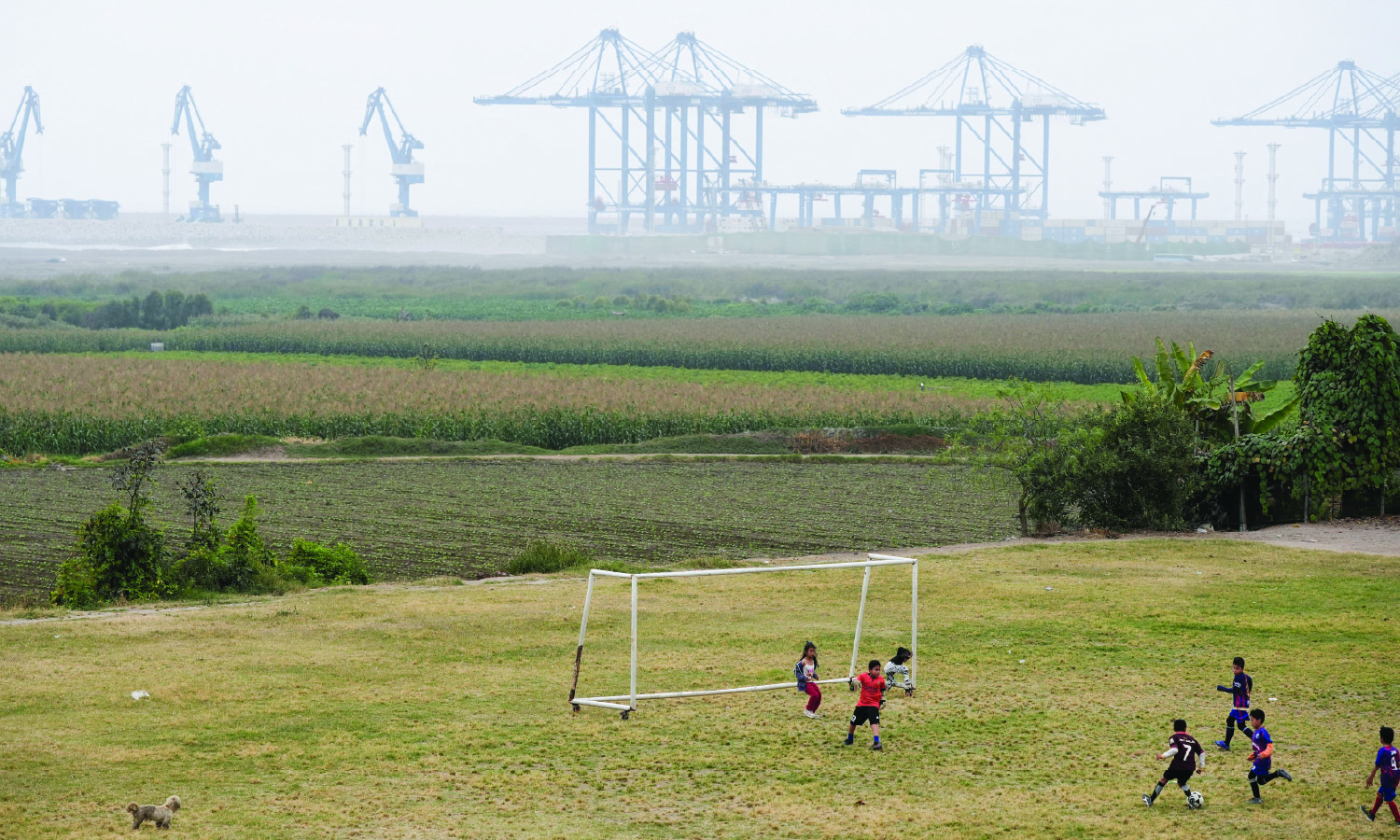
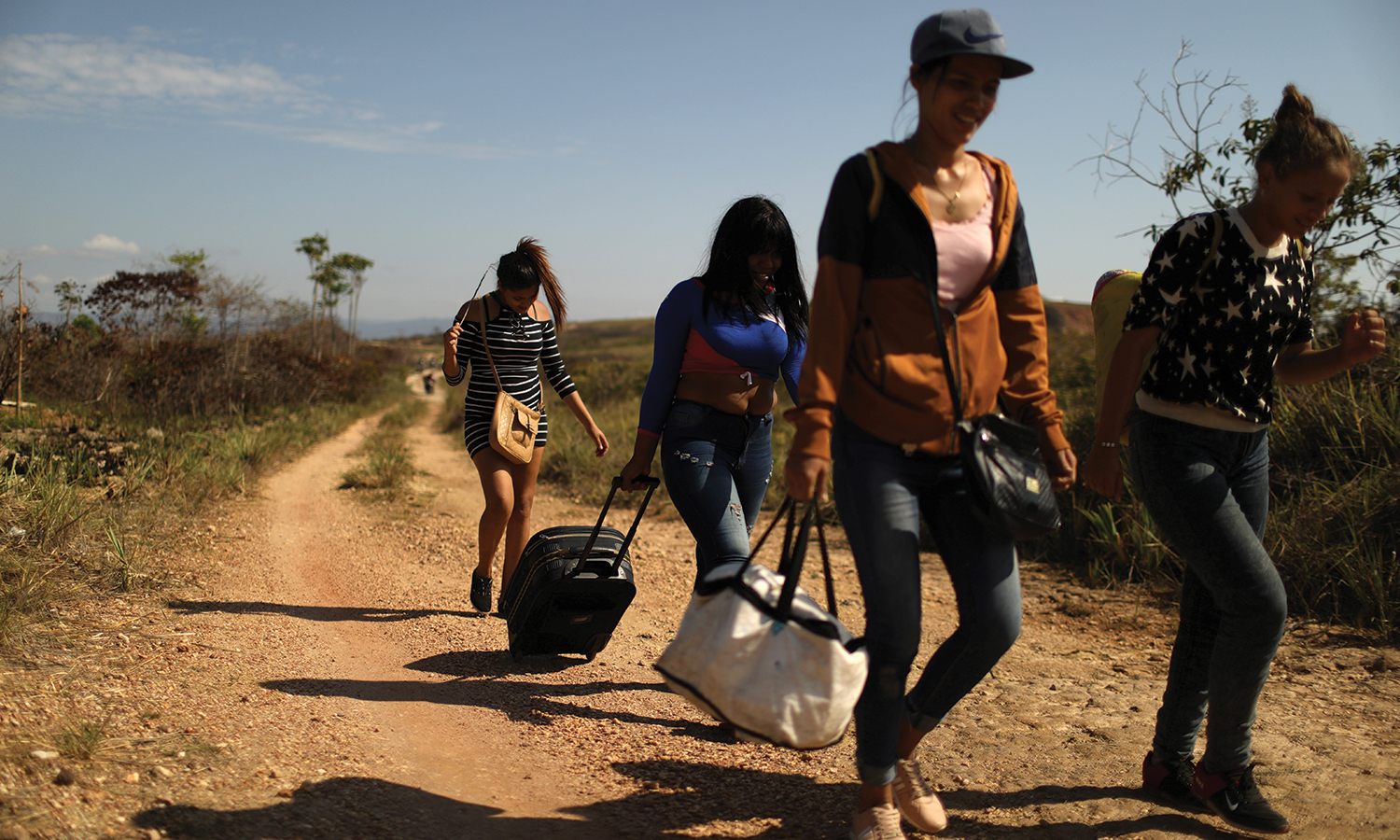
Over the past two decades, China has emerged as an increasingly important partner for Latin America. Between 2000 and 2024, trade between both parties grew more than thirty-five-fold. Some analysts estimate that China will overtake the United States as the region’s biggest trading partner in the next decade. China’s interest in Latin America stems from its economic and strategic value. Chinese investment in Latin America largely involves raw materials like minerals, soybeans, and petroleum. In addition, Chinese businesses have for many years financed infrastructure projects across Latin America as part of the Chinese Communist Party’s Belt and Road Initiative. For example, Chinese companies have financed at least ten ports across the region and pursued at least twenty road and bridge construction projects in Bolivia alone. Since the early 2000s, Chinese state-owned banks have distributed over $130 billion to governments in the region. Although investments and loans have decreased in recent years, China’s economic leverage has had political consequences. For instance, many Latin American countries have cut ties with Taiwan to forge closer relations with China—only Belize, Guatemala, Haiti, Paraguay, Saint Lucia, Saint Kitts and Nevis, and Saint Vincent and the Grenadines still recognize the island’s sovereignty.
10. The Arctic: The Americas’ Northern Border
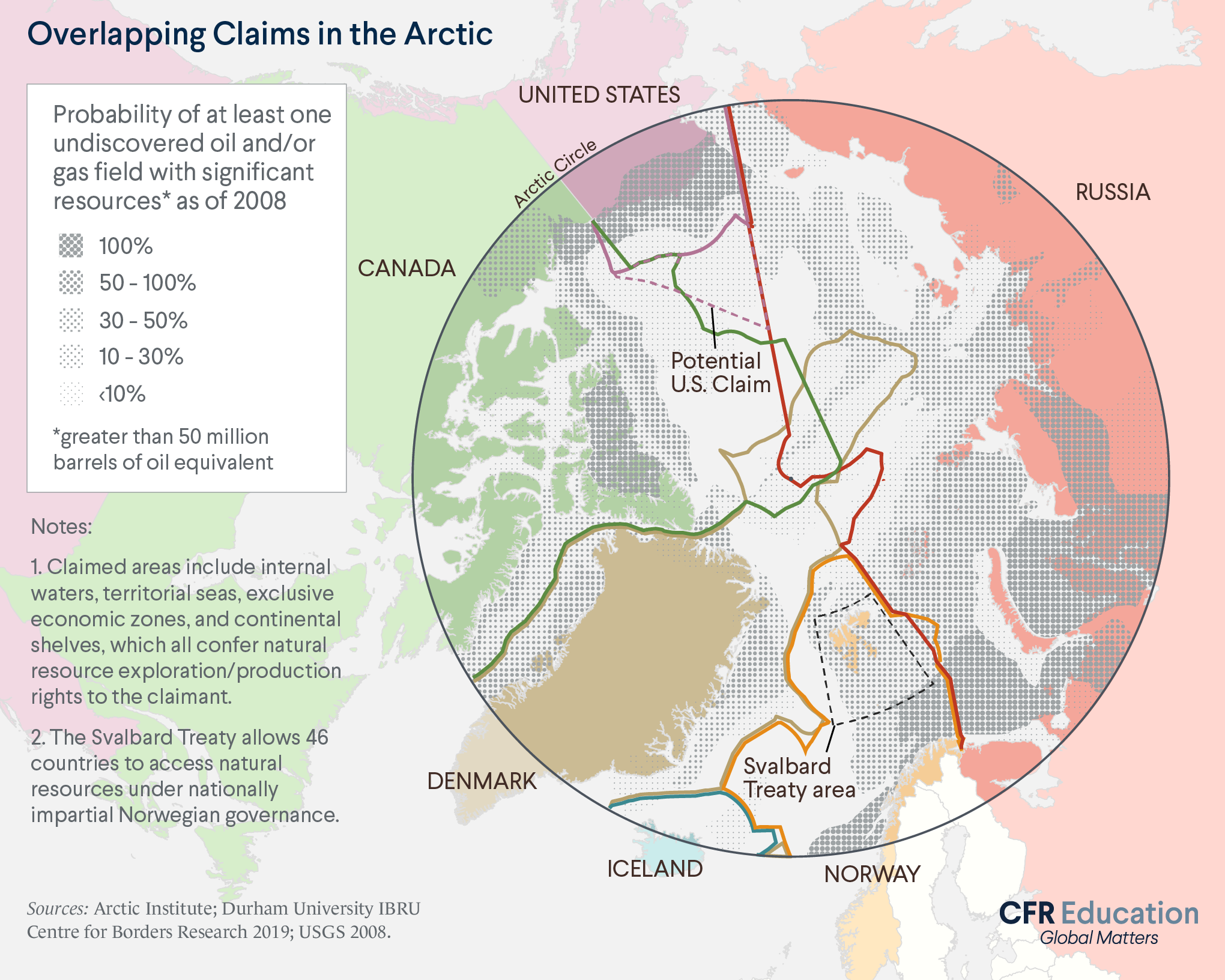
The Arctic Circle—a region at the Earth’s northern pole—connects the Americas with Eurasia and Europe. As climate change raises global temperatures and ice melts away in that area, a new geopolitical struggle is taking shape. The changing Arctic landscape has revealed vast deposits of oil, natural gas, and other valuable rare earth minerals. Meanwhile, melting ice is opening new sea routes, which could allow boats to shave weeks off their journeys, lowering international shipping costs. Eight countries around the world border the Arctic and use different strategies to advance their national interests there. In the Americas, the United States and Canada run annual Arctic military drills. Both countries also conduct extensive scientific experiments to better understand the region believed to be home to 13 percent of the world’s undiscovered oil deposits and 30 percent of undiscovered natural gas reserves. Beyond the Americas, Russia is developing a more aggressive Arctic strategy, claiming territory around the North Pole. Even China—which does not border the Arctic—is expanding its footprint by pouring money into new natural gas extraction infrastructure along Russia’s Arctic coastline.