National Politics: The Americas
From polarization in the United States to election fraud in Venezuela, learn about the issues and trends shaping ten countries today.

The Americas is one of the most democratic regions in the world. However, many democracies there are still young—and they’re experiencing growing pains.
Consider Latin America. After years of dictatorships that ruled nearly every Latin American country during the 1970s, the region experienced a wave of democratization beginning in 1979. Over the following decade, fifteen Latin American countries replaced dictatorships with democratic governments, many of which continue to thrive.
But some countries in the region have gone the other way, with leaders cracking down on press freedom and locking up political opponents. And region-wide corruption scandals have left Latin Americans—who already face the world’s highest rates of violence and inequality—increasingly distrustful of the political establishment.
Despite challenges to the Americas’ democracies, the region boasts a strong civil society composed of individuals and groups outside the government and business sectors working to advance various economic, political, and social goals. In Argentina, activists helped bring down the country’s former military dictatorship in the 1980s and have since pushed their government to acknowledge human rights abuses and mass disappearances carried out during that time. Indigenous activism has also transformed countries like Bolivia and Ecuador. In 2005, indigenous groups helped elect Bolivia’s first indigenous president, Evo Morales, and successfully pushed for the country’s new constitution to recognize indigenous languages and the right of native people to administer their own land.
But many challenges remain. Across the region, civil society members such as journalists, environmental activists, and human rights defenders—especially women—are frequent targets for surveillance, repression, violence, and even murder.
What other political issues are shaping the region?
Here are stories and trends from ten countries that help illustrate politics in the Americas today.
1. Canada: Indigenous vs. Federal Law
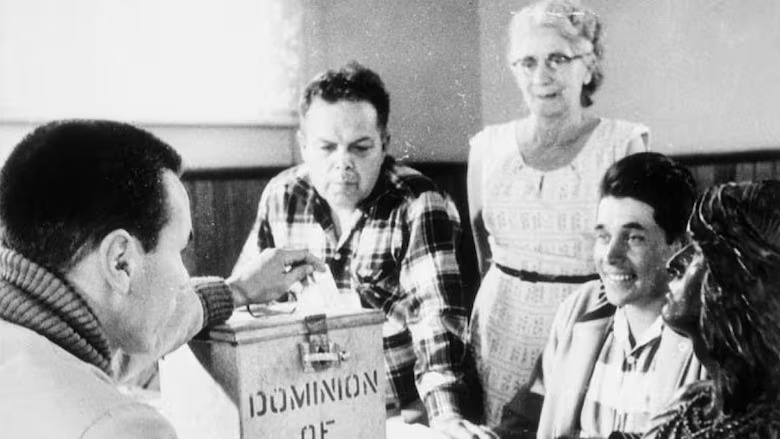
In Canada, one in twenty people identify as Indigenous—a term that refers to either First Nations, Métis, or Inuit peoples. Despite their large population, historically, these groups have been treated as separate from other Canadians. For example, First Nations people once had to choose between citizenship rights and “Indian status”—an attempt by the government to assimilate Indigenous people into Canadian culture. Only in 1960 were First Nations people able to vote federally without first renouncing their Indigenous status. Today, roughly 40 percent of registered Indians live on reserves, or land set aside by the government. (There are over three thousand reserves across Canada.) First Nations reserves are governed by band councils, which are elected by members of a particular Indigenous community. But reserves are still under the authority of the Canadian government. What makes the reserve unique? Reserves are able to develop some of their own laws, like those related to land management. Canada recognizes Indigenous rights of self-governance, but there is no single model. The Canadian government must negotiate with Indigenous communities to work out the right agreement. Once enacted, Indigenous laws work in harmony with federal and provincial laws.
2. The United States: Are Americans Really That Polarized?
U.S. politics is dominated by two parties: Democrats and Republicans. In recent years, news headlines have claimed Americans are becoming more polarized—they hold stronger beliefs, are less willing to compromise, and increasingly see the other political side as a threat. Do these trends accurately reflect American politics? Yes and no. In general, congressional lawmakers are now less likely to hold similar views—and each party has grown ideologically further apart. But what about the American people? Turns out, Americans may not be as divided on issues as they think. Studies show that many Americans significantly overestimate how many members of the opposing political party hold views that they would consider extreme. This “perception gap” is largest at the extreme ends of the political spectrum—in other words, the farther to the right or left Americans are, the more likely they are to get the other side wrong. However, one thing is true: Americans feel more polarized. Politics are increasingly emotional. A 2024 poll found that nearly half of Americans describe members of the opposing political party as “evil.” Experts also point to social and cultural factors, like a more fragmented news media and a “clustering” of social groups. (For instance, married couples are now more likely to be members of the same political party.) Polarization, however, didn’t happen all at once. It has been growing for decades.
3. Mexico: Judicial Reform Stirs Controversy
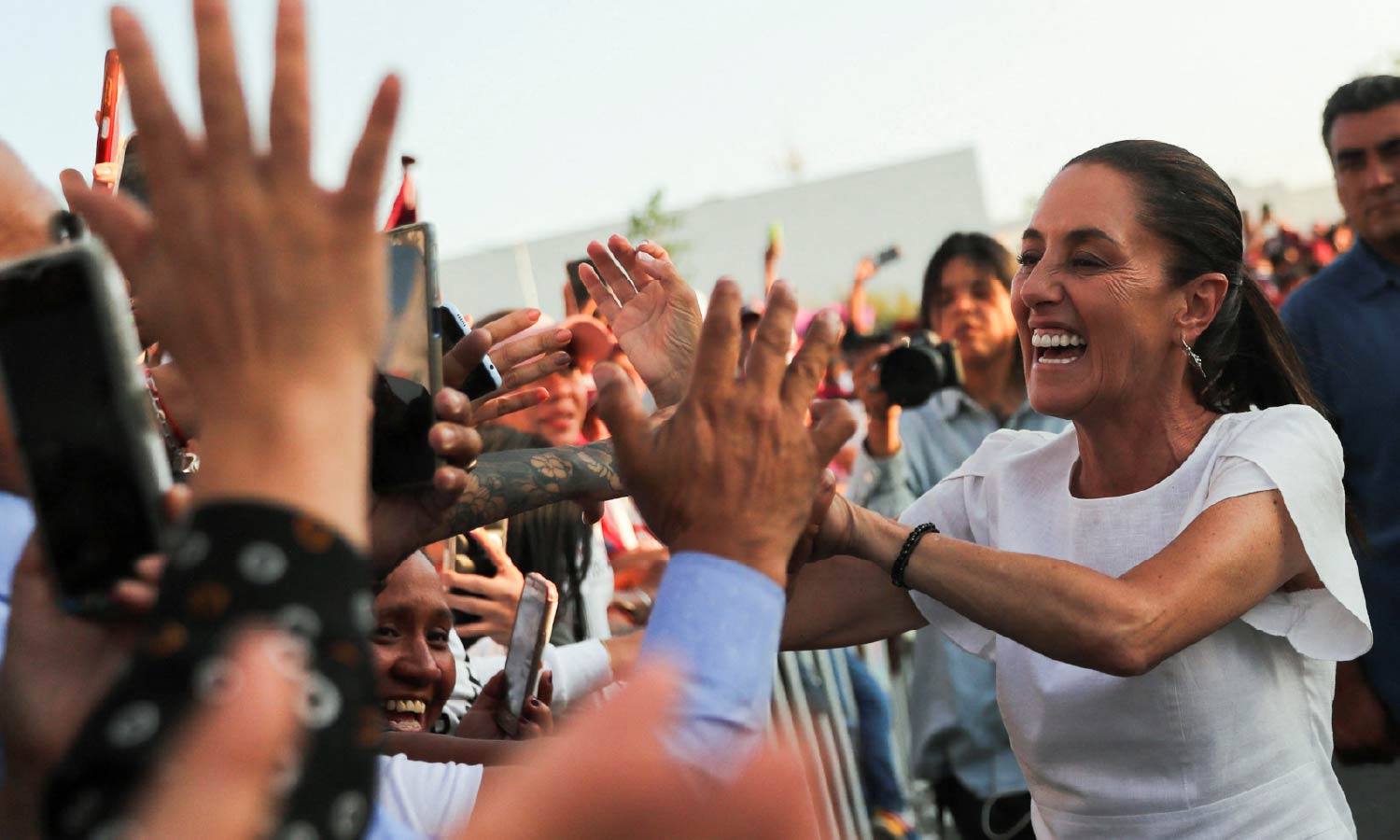
Like the United States, Mexico is a constitutional federal republic, with power divided between executive, legislative, and judicial branches. For decades, Mexico’s government has struggled to combat poverty, violence, and corruption in the country. Frustration over these ongoing challenges helped usher Mexico’s left-wing Morena party into power. Led by the country’s first female president, Morena has focused on battling corruption. One of its most sweeping initiatives is a judicial reform policy passed in 2024. The new policy makes judges elected officials with term limits. (That means Mexican citizens will vote for judges preselected by Congress, instead of judges being fully appointed by the government.) The policy has proven controversial. Morena argues the judicial reform makes it easier to pass other needed reforms. They also argue elections will replace corrupt judges and address nepotism. But critics say these changes take away necessary checks and balances, giving too much control to the dominant Morena party. In addition, since judges will have to campaign, some analysts fear their decisions could be swayed by political parties, popular opinion, or even organized crime groups—a concern for a country long wary of systemic corruption.
4. Guatemala: the President Battles the Courts
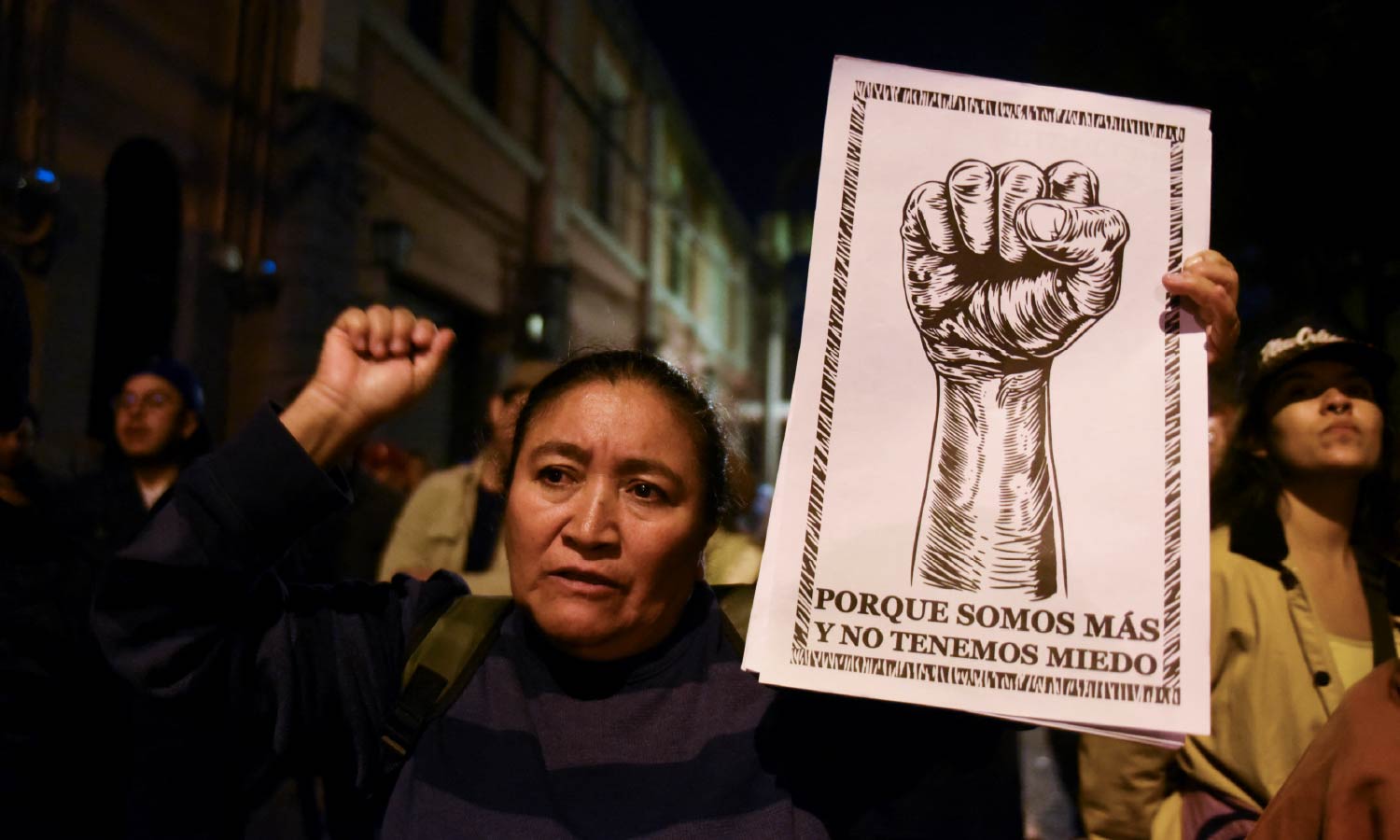
In the mid 1990s, Guatemala emerged from a decades-long civil war. Although the country has had a democratic constitution since the 1980s, violence and corruption have long prevented democratic reforms. As a result, Guatemalan politics often favors elites and members of ruling parties. Guatemalans have called this network of politicians, judges, businessmen, and wealthy families that came to be known as the pacto de corruptos—or pact of the corrupt. The pact has maintained power by controlling key government roles, such as placing loyalists within institutions like the Constitutional Court. That’s why it was so shocking when Bernardo Arévalo won the 2023 presidential election. Arévalo ran as a reformist candidate, promising to tackle corruption. He even ran against a candidate backed by the pact. Because of his policies, the pact attempted to use the courts to challenge first-round election results. But Arévalo’s victory was upheld, a runoff election took place, and Guatemalans voted against the pact in a decisive upset. Still, victory was only the beginning. Guatemala's pact-friendly attorney general continues to mount legal challenges against Arévalo and his party, as well as journalists and even anti-corruption judges. Arévalo now faces the challenge of pursuing reform while his country’s highest courts attempt to take him down.
5. Haiti: Democracy Struggles to Overcome Poverty
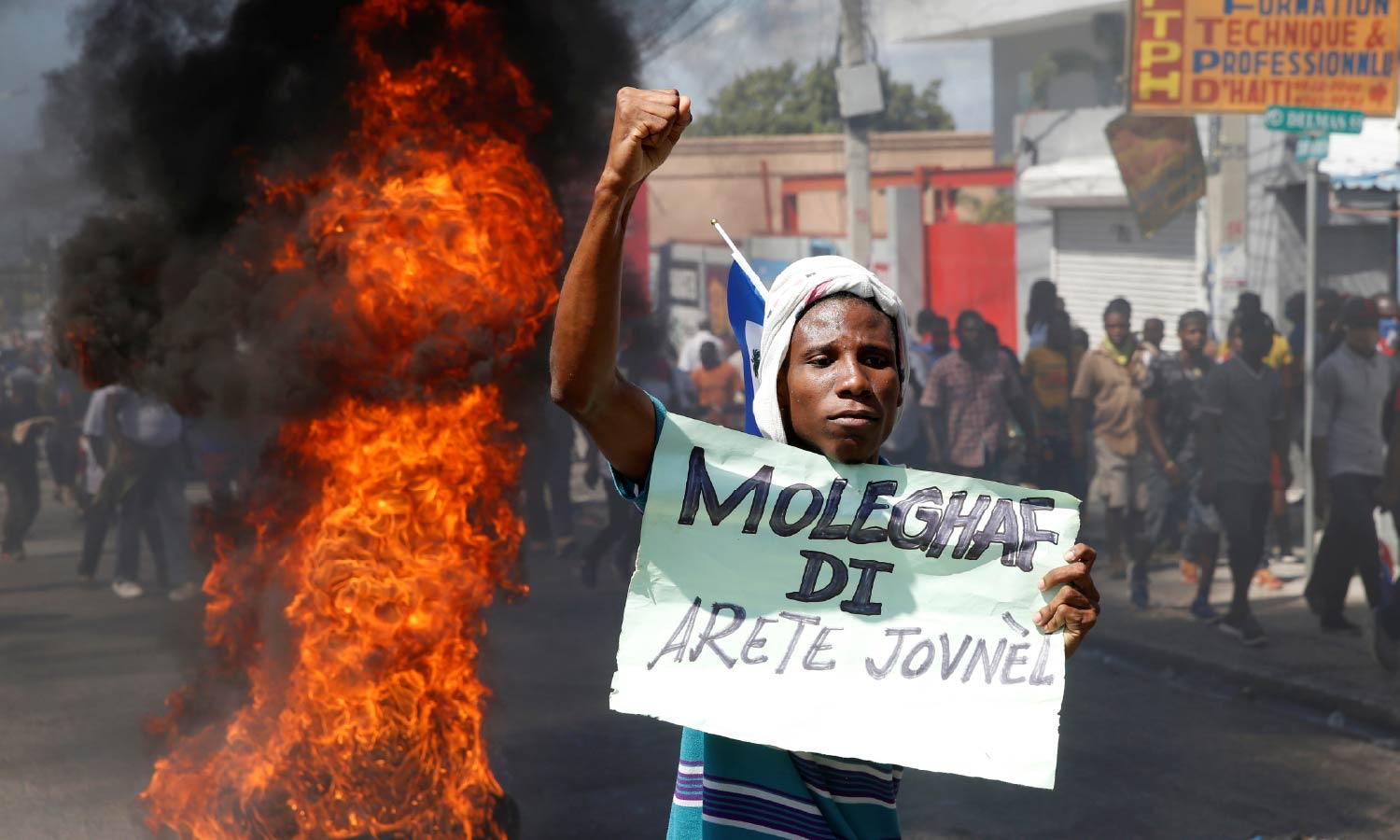
In 1987, after almost three decades of autocratic rule, Haitians formed a democratic government. But Haiti has since struggled to reinforce its democratic institutions, which have been unable to raise the country out of debt-driven poverty. Instead, military coups, corruption, and flawed elections followed for the next two decades. Even after a reformist government began to stabilize the country in 2006, other events—like a food crisis in 2008, an earthquake in 2010, and fraud allegations against the president in 2016—have kept Haiti in a precarious position. (Experts also point to U.S. trade practices that have made Haiti reliant on food imports, hurting domestic production and further driving poverty.) Then in 2021, a group of gunmen assassinated Haiti’s president, Jovenel Moïse. The killing came after years of protests over corruption and fuel prices. It was the perfect storm for unrest. Since then, over 200 armed gangs have fought for control of Haiti’s capital. Meanwhile 300,000 Haitians have fled their homes. The violence in Haiti has contributed to one of the world’s worst hunger crises. Today, nearly half of Haiti’s population does not have enough to eat.
6. El Salvador: Security vs. Civil Rights
Violence and unrest have led some Latin American governments to take aggressive approaches to crime. El Salvador is leading the charge. In March 2022—after gangs killed eighty-seven people over a single weekend—the government declared a state of emergency. El Salvador’s Congress then granted President Nayib Bukele emergency powers, enabling his government to suspend certain constitutional rights. The government can now arrest citizens without a warrant, keep them detained without a lawyer, and even access their private communications. In the two years that followed, security forces arrested nearly one hundred thousand Salvadorans, roughly 2 percent of the country’s adult population. But the murder rate more than halved. These results have led to some tough questions. Does safety and its economic benefits justify throwing out civil liberties? For many Salvadorans, the answer is yes. In fact, after two years of emergency powers, Bukele’s approval rating stood at 86 percent, making him possibly Latin America’s most popular president. Other officials in the region have also called for their governments to use Bukele as a model for their own policies. However, others believe Bukele’s crackdown has set a dangerous precedent for law enforcement and has dealt a blow to the country’s democracy. Bukele’s party now controls El Salvador’s Congress, which continues to renew the president’s emergency powers every month. In February 2024, Bukele won a second five-year term, even though El Salvador’s constitution prohibits consecutive terms. (The country’s Supreme Court made an exception.)
7. Venezuela: Elections Under Authoritarianism
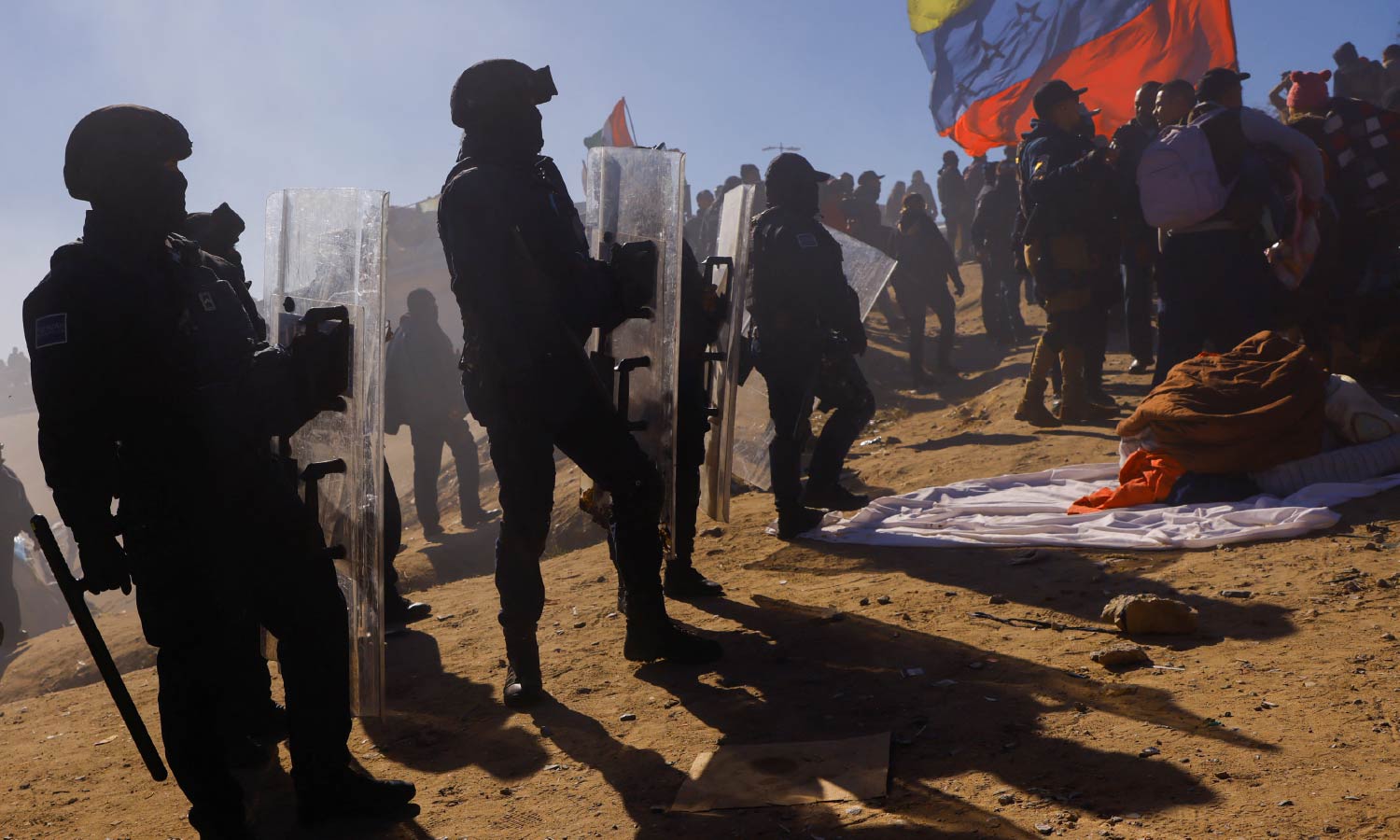
Once South America’s wealthiest country, Venezuela fell into economic and political turmoil under President Nicolás Maduro. Expensive social policies, corruption, and overreliance on oil exports caused the economy to collapse in 2014. This led to mass migration (now over seven million Venezuelans), inflation, and severe food shortages. Meanwhile, Maduro tightened his grip on power by undermining Congress and barring opposition politicians from running for president. Despite massive protests and accusations of fraud, Maduro claimed victory in the 2018 presidential elections. As a result, the leader of Venezuela’s Congress, a member of the opposition party, declared himself interim president. But Maduro, who still controlled Venezuela’s security forces, didn’t step down. These events briefly turned Venezuela into a country with two governments, each claiming to be the rightful ruler of the country. Despite widespread international recognition and considerable public support, the interim government ultimately failed to gain control and formally dissolved in 2023. In 2024, Maduro once again won an allegedly fraudulent reelection. He has since continued to arrest members of the opposition. There are now over 1,600 political prisoners in Venezuela. Meanwhile, the country’s economic hardships persist.
8. Colombia: New Politics Faces Old Problems
For over six decades, Colombia has experienced violent conflict between armed forces and rebel groups. Even after a landmark peace agreement with Colombia’s largest rebel group (the Revolutionary Armed Forces of Colombia, or FARC) in 2016, conflict has persisted. In 2022, Colombian voters decided on a new direction. Faced with high unemployment (worsened by the COVID-19 pandemic) and rising insecurity despite the peace agreement, voters elected Gustavo Petro—Colombia’s first left-wing president in decades. (Petro, in fact, was once a member of the left-wing guerrilla group M-19, making him a controversial politician.) Petro promised peace and economic growth for Colombia, including replacing fossil fuels with renewables. But Petro has had a hard time making changes. His government, which is made up of a coalition of diverse parties, hasn’t always seen eye to eye. Friction between Petro and Colombia’s congress has led to reform legislation being held up or killed. Petro’s inner circle is also involved in a campaign finance scandal. Meanwhile, illegal armed groups continue to target soldiers, civilians, and police—contradicting claims that such groups have disarmed. (Coca production has also increased as groups remain involved in the cocaine trade.) Petro can’t run for office again in 2026. But he wants his party’s leftist ideas to persist. Like other new left-leaning governments in the region, Petro’s party (and its ideas) face an uncertain future.
9. Peru: Congress Consolidates Power
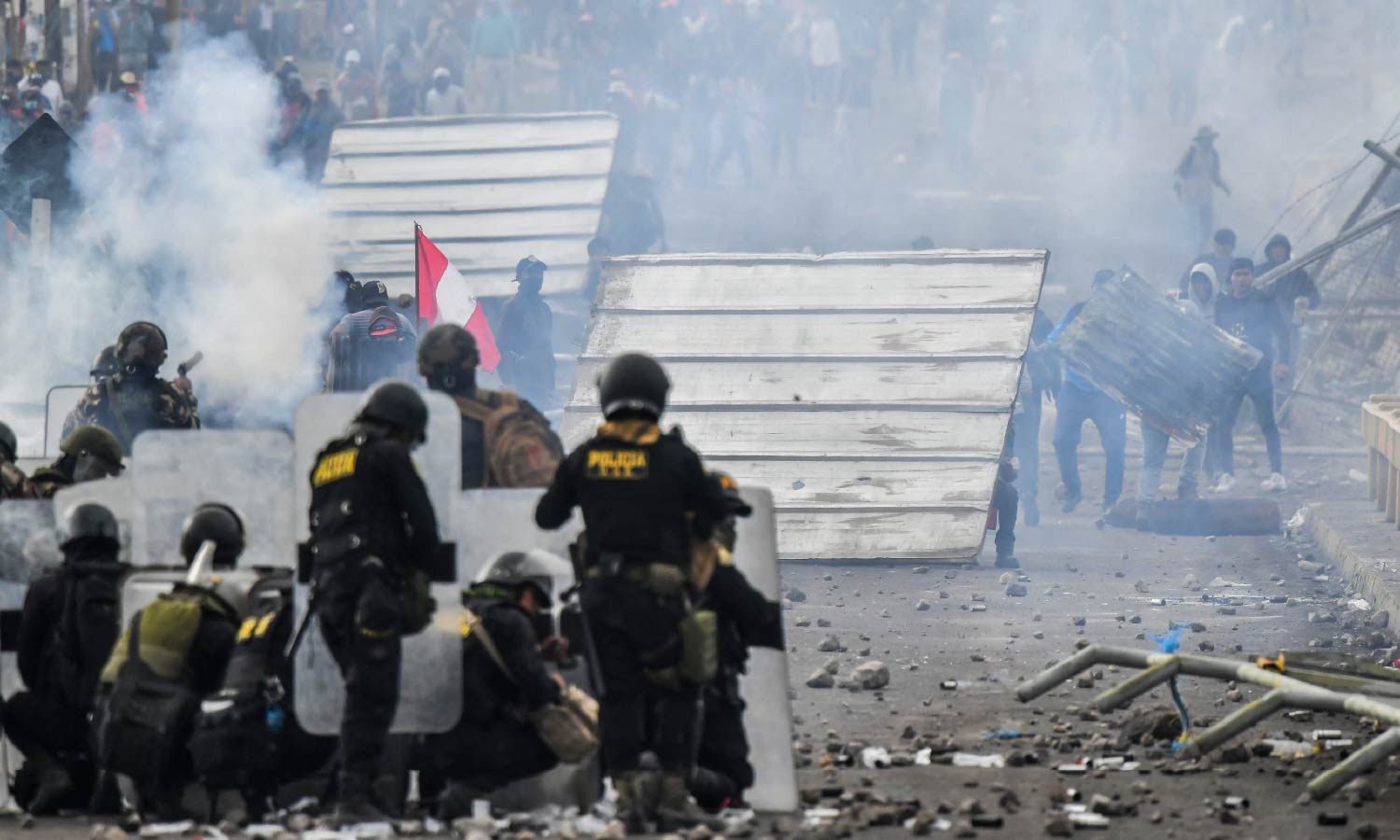
Like Guatemala, Peru also has a “pact of the corrupt”—lawmakers and politicians who are making it harder for the country to investigate corruption and organized crime. But whereas protests and international pressure have helped preserve Guatemala's democratic process, in Peru things are dicier. Problems began to worsen in 2022. Peru’s president, Pedro Castillo, was then facing impeachment by Peru’s congress. In a televised address, he attempted to dissolve congress. However, Castillo’s cabinet and the Peruvian military refused to go along. Peru’s congress instead voted Castillo out of office, and he was arrested. (His former vice president immediately took over.) Protests quickly ensued, calling for the imprisoned president’s release, government reform, and early elections. Peru’s security services responded with lethal force, killing over 50 protesters. Since then, the Peruvian congress has consolidated its power, protecting itself against actions by other branches of the government. The legislature has approved changes to the Peruvian constitution, restructuring itself into two chambers. It passed legislation to change the definition of “organized crime,” making it harder to prosecute corruption. It has also appointed judges who have taken steps to weaken government oversight—and perhaps oversight of future elections. Critics have called these changes a "congressional coup.” A 2024 poll found the congress’ approval rating to be just 5 percent.
10. Brazil: the Limits of Free Speech
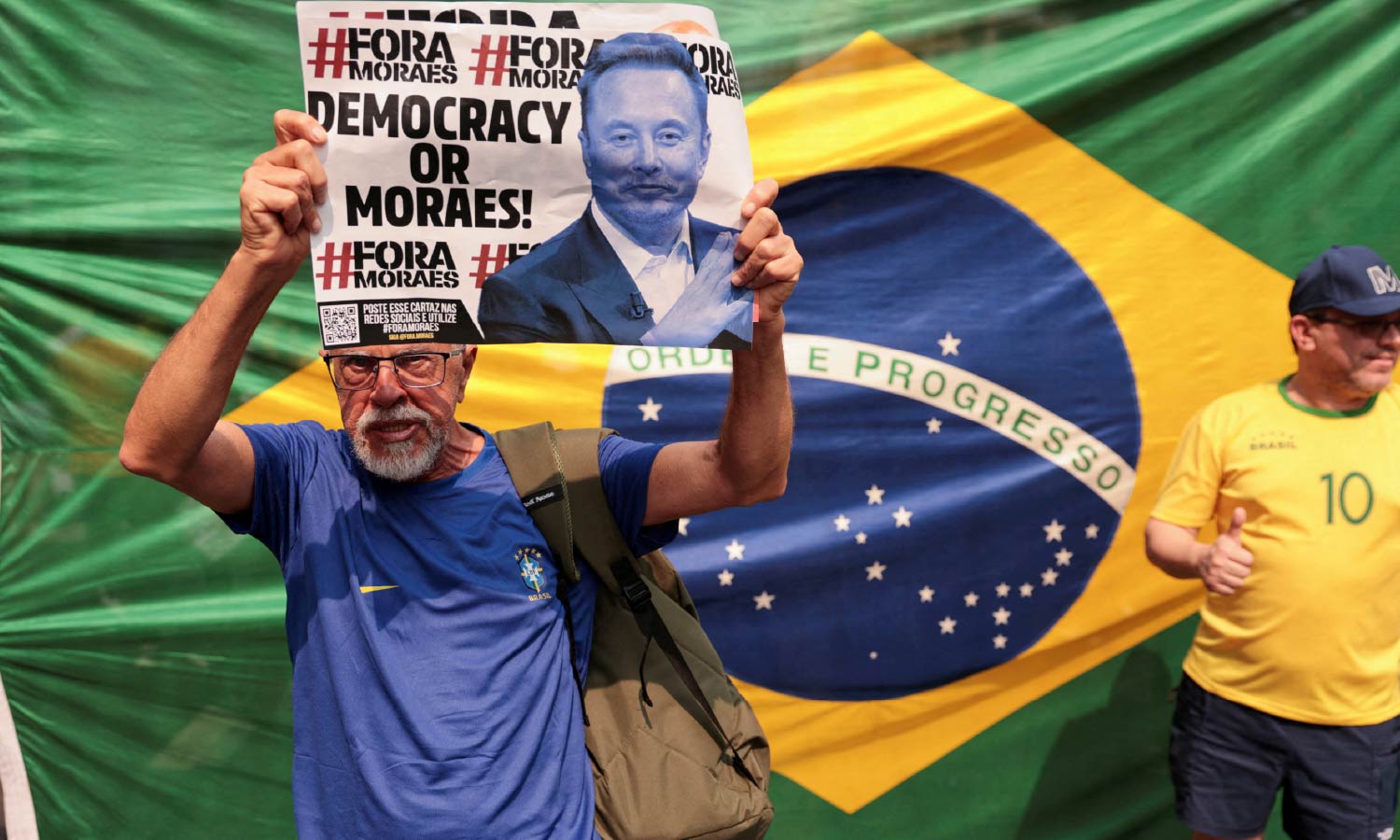
At first glance, Brazil’s political challenges bear some resemblance to those of the United States. Brazilian politics has become heavily polarized in recent years. Many voters either support or oppose a single party: the left-leaning Workers’ Party (PT). In 2023, supporters of Brazil’s then-far-right president, Jair Bolsonaro, even attempted to overturn election results after a PT victory. (They attacked government buildings, an event immediately compared to the U.S. January 6 Capitol attack.) Many blame such polarization and anti-democratic attitudes on mis- and disinformation—false material often intended to mislead or manipulate public opinion. Before Brazil’s volatile 2022 elections, false information about both candidates circulated on social media. Bolsonaro himself claimed voting machines were susceptible to fraud. Experts believe claims like these misled voters, undermined election confidence, and made people more likely to believe falsehoods. Since then, Brazil’s top courts have cracked down on mis- and disinformation. In 2024, the Supreme Court temporarily banned X (formerly Twitter). Judges accused the platform of failing to follow court orders targeting disinformation. However, critics of these measures accuse the court’s judges of suppressing free speech. Other court rulings have impacted journalists and media companies, contributing to an ongoing debate over the limits of political expression.