The Americas
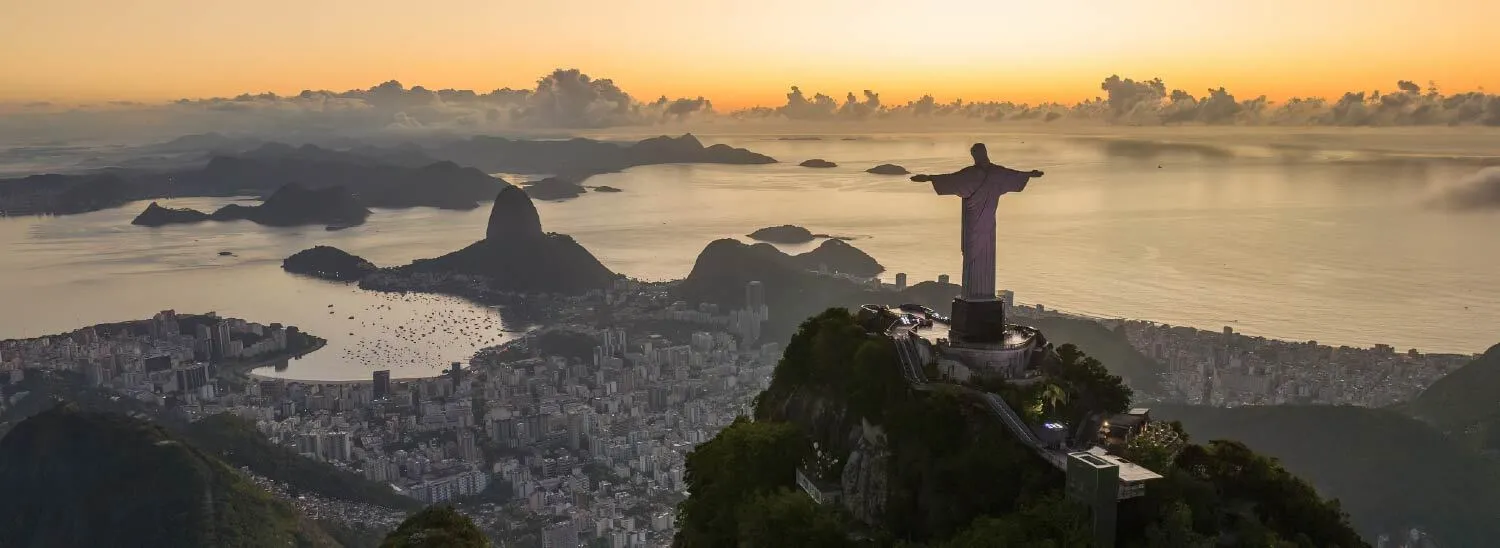
Welcome to Regions of the World, a CFR Education resource that explores many of the major trends and stories taking place in the world today.
The resource is divided into Learning Journeys, each centered around a different geographical region and the crucial events, relationships, and trends that shape it. They will help you gain a better understanding of some of the defining features of each region, and how they influence events across the globe.
The Americas
This Learning Journey will cover the Americas, a region that encompasses more than forty countries spanning from Canada to Chile.
The Americas stretch from pole to pole but contain only around 10 percent of the world’s population. Although European explorers considered the region the “New World,” the Americas have been inhabited for thousands of years and were home to numerous civilizations. The region’s modern history has been massively shaped by the industrialization and expansion of the United States—the region’s biggest economic and military power.
Today, the region is home to some of the world’s largest democracies, including Brazil and the United States. In fact, many countries in the region boast democratic forms of government. However, many democracies in the region are young and face challenges related to corruption, party polarization, and insecurity due to the drug trade.
Economically, the region is one of contrasts. Countries in North America enjoy highly integrated economies, while South American countries struggle to make the most of their trade blocs. Meanwhile, inequality plagues even the region’s richest countries.
The region also enjoys an outsized influence on global arts and culture. From the international prominence of the U.S. film industry to reggaeton’s widespread impact on music, the cultural influence of the Americas spans nearly every corner of the globe.
Continue through this learning journey to further explore the dynamics that shape the Americas today.