What Is Genocide?
Introduced as a legal term after the Holocaust, genocide describes one of humanity’s worst crimes. But nearly a century later, the world is still debating what it means and where it applies.

On the morning of March 15, 1921, a young man approached an older man on the streets of Berlin. The young man tapped the older man on the shoulder, pretending to know him. When the older man turned around, the young man pulled out a revolver and shot him dead.
The crime appeared in newspapers around the world. One reader, Raphael Lemkin, a young student at a Polish University, found the story confusing.
It was a coordinated act of vengeance, he learned. The Ottoman Empire had carried out a mass extermination campaign against the Armenian people during World War I. The assassin himself had lost over eighty members of his family as a result. After the war, a group of Armenian Revolutionaries set out to kill the former Ottoman officials that had organized the massacres.
Lemkin asked his law professor about the article: Why hadn’t Armenia been able to arrest the former Ottoman official? If he had committed a crime against the Armenian people, why couldn’t Armenia prosecute him?
The professor said there was no law that would allow the former official to be arrested. The Armenians were subjects of the Ottoman Empire at the time. And what the Ottomans did inside their own territory was their own business, at least according to contemporary law.
Lemkin was shocked that the assassination of an Ottoman official could be considered a crime, but the mass killing of an ethnic group could not. For the next two decades, he worked to put a name to that act and to make it a crime under international law. During those years, the crime was repeated. In 1939, Lemkin, who was Jewish, fled Poland in the wake of a new campaign of extermination—the Holocaust. By the end of the Second World War, roughly six million Jews would be killed alongside other groups.
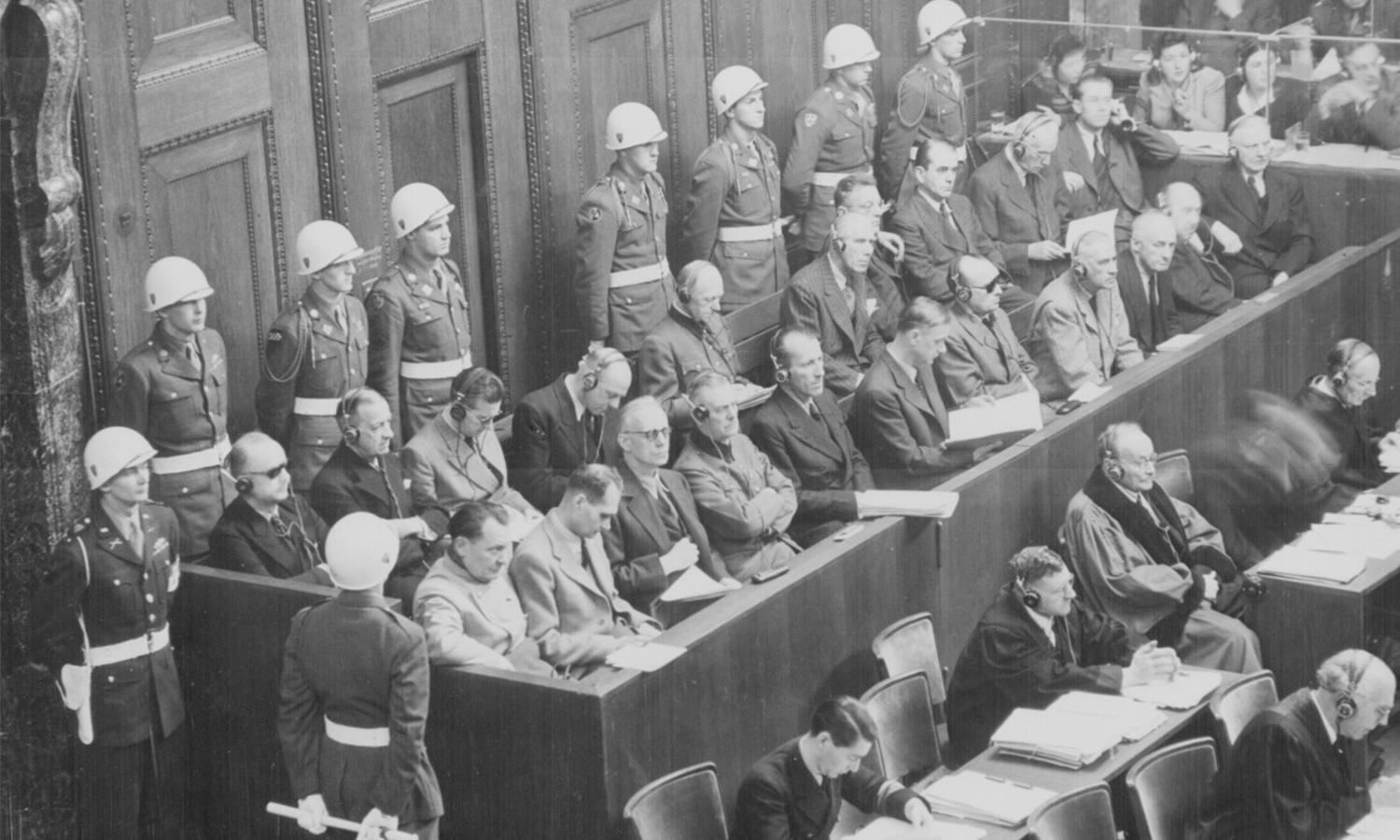
Just like the Armenian he read about in the newspaper, Lemkin lost dozens of members of his own family. But Lemkin’s pursuit of justice took a different route. After the war, at the Nuremberg Trials, where Nazi leaders answered for their atrocities, Lemkin pushed for a new word to be added to the indictments: “genocide.”
Finally, the crime was named. But how would it become international law? And could international laws prevent the crime from happening again?
What does genocide mean?
Lemkin first used the term genocide in 1944, combining the Greek word for “race” and “tribe” (genos) with the Latin suffix for “killing” (-cide). The word genocide, therefore, denotes the killing or destruction of a particular identity group.
For years, Lemkin lobbied international bodies to recognize genocide as a crime. The Nuremberg trials were a first step. But the term genocide was only introduced in the trials to describe Nazi motivations; the defendants were not specifically charged with genocide. It wasn’t until 1946 that the United Nations recognized genocide as a crime under international law. Two years later, it further defined genocide in an international treaty—the Convention on the Prevention and Punishment of the Crime of Genocide, often called the Genocide Convention.
Genocide is a crime both in wartime and peacetime. The Genocide Convention defines the crime according to five acts. To be considered genocide, those acts must be carried out with the “intent to destroy, in whole or in part, a national, ethnical, racial or religious group.”
The acts are as follows:
- killing members of the group
- causing serious bodily or mental harm to members of the group
- deliberately inflicting on the group conditions of life calculated to bring about its physical destruction in whole or in part
- imposing measures intended to prevent births within the group
- forcibly transferring children of the group to another group
Anyone can be accused of and punished for genocide—private citizens, soldiers, and even heads of state.
One can also commit genocide without killing. (Despite using the Latin-derived suffix -cide, Lemkin intended the word genocide to also mean destruction.) The fifth act regarding forcibly moving children constitutes genocide. So long as the intent is to destroy a group, the act is considered genocide.
How is genocide identified?
The Genocide Convention clearly defines genocide. But not everyone agrees on which atrocities fit the legal description.
One challenge is determining intent. For an act to be considered genocide, a perpetrator must intend to destroy (in whole or in part) a particular group.

Some legal experts claim this requirement is too strict and instead gives perpetrators an easier defense. An alleged perpetrator could claim, for instance, that their actions were motivated by strategic wartime necessity, not a desire to destroy a specific group. Proving otherwise is often extremely difficult.
Another challenge has to do with politics. Countries or groups can label events as genocide to justify certain actions. (For instance, a government could claim it is attacking another country to stop a genocide.) Countries could also avoid calling events genocide to dodge consequences. (For instance, they could want to prevent damaging relations with another country or to evade pressure to impose sanctions or send in troops.)
For those reasons, different countries and organizations often have different views on what events can be classified as a genocide.
But just because something doesn’t meet the legal definition of genocide doesn’t mean it isn’t a crime. There are other ways of defining mass killing. Some atrocities that resemble genocide are distinct under international law or common usage.
Crimes Against Humanity: Defined as a systematic attack against a civilian population, this crime includes acts like murder, extermination, torture, enslavement, and rape. Unlike genocide, such crimes do not have to target a specific identity group—nor do they require proving specific intent.
Ethnic Cleansing: Although not defined under international law, this crime implies the removal of a civilian population from a certain geographical area. It sometimes falls under the Genocide Convention.
Willful Killing: Designated as a war crime, this act involves killing any group protected under the Geneva Conventions of 1949, such as civilians not taking part in military action, or wounded or detained soldiers.
How is genocide prosecuted?
Under the Genocide Convention, countries are obligated to prevent and punish genocide. Over 150 countries have ratified the treaty. But even countries that have not are still bound by its principles. That’s because the crime of genocide is considered a customary law that applies to all countries.
In practice, however, enforcing international law on genocide has proven difficult.
Once again, reaching agreement has been the challenge. The Genocide Convention didn’t set up a court to prosecute the crime. Nor did it create a place where crimes could be presented for others to hear. Instead, the United Nations had to create special tribunals to investigate allegations and hear individual cases. Doing so required agreement from the UN Security Council, which was often gridlocked.
Because of that tension, the first two international efforts to formally prosecute genocide didn’t materialize until the 1990s.
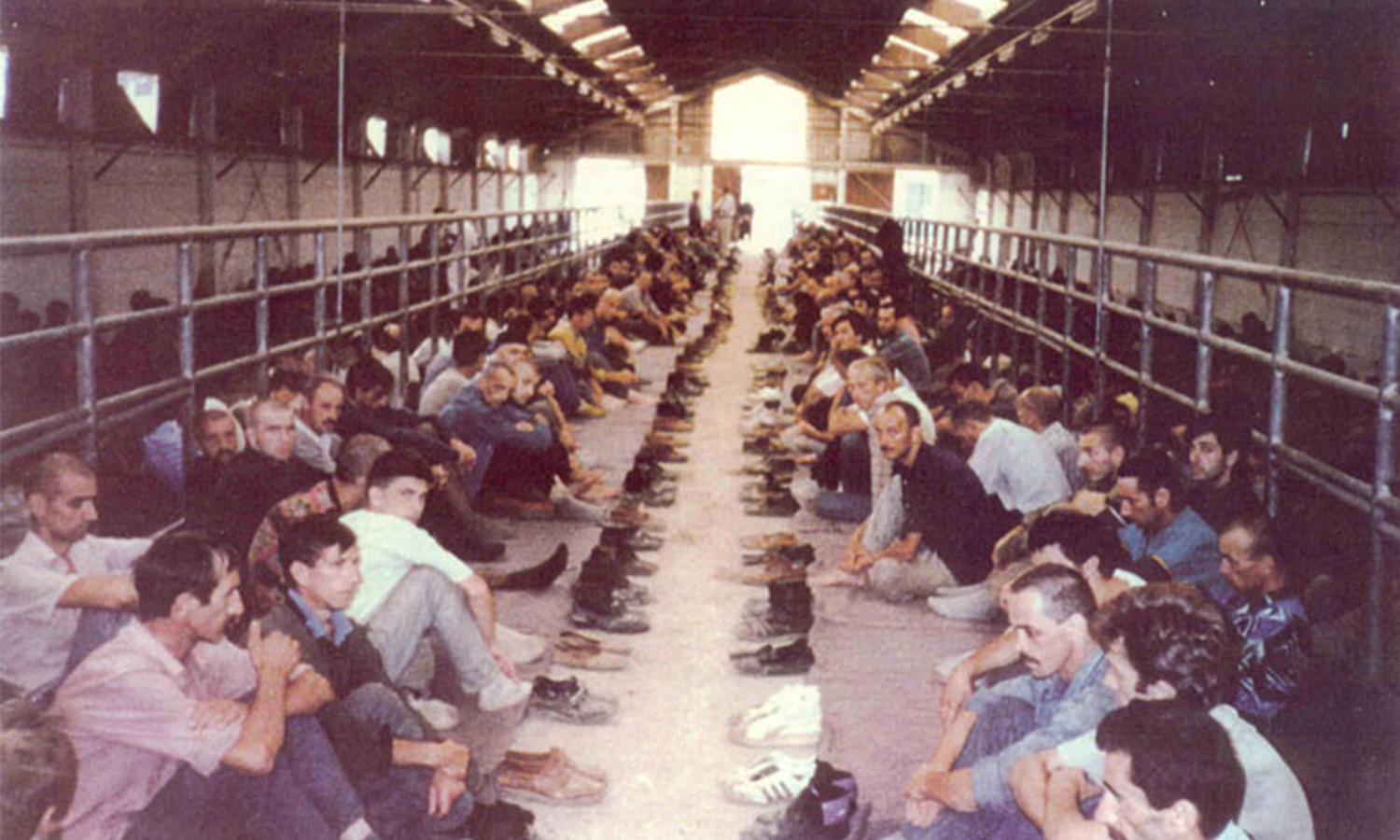
The International Criminal Tribunal for the Former Yugoslavia (ICTY): The ICTY was formed in 1993 to investigate atrocities that occurred during a civil war in Bosnia and Herzegovina following its independence from the former Yugoslavia. During the war, Bosnian Serbs targeted Bosnia’s Muslim population, killing roughly eighty thousand Bosniaks and thousands of Croatian civilians.
The International Criminal Tribunal for Rwanda (ICTR): The ICTR was formed in 1994 to address the Rwandan genocide. Between April and July of that year, officials, soldiers, and civilians of the Hutu ethnic group ordered and carried out the mass killing of more than five hundred thousand members of the Tutsi ethnic group.
Both tribunals ruled that genocides had occurred. In the decades since, both tribunals also convicted more than one hundred individuals. Jean-Paul Akayesu was the first to be convicted in 1998 for his role in the Rwandan genocide. Akayesu’s case represents the first time in history that an international court delivered a verdict on the crime of genocide.
The tribunals proved that prosecuting genocide was possible. But the world still lacked a permanent institution to address similar crimes. In 1998, over one hundred countries signed the Rome Statute to set up an international court that could hear future cases. The statute created the International Criminal Court (ICC), which has the power to try individuals accused of genocide, war crimes, crimes against humanity, and aggression. Unlike special tribunals, the ICC is independent from the UN system. It does not need authorization from a potentially gridlocked Security Council to act.
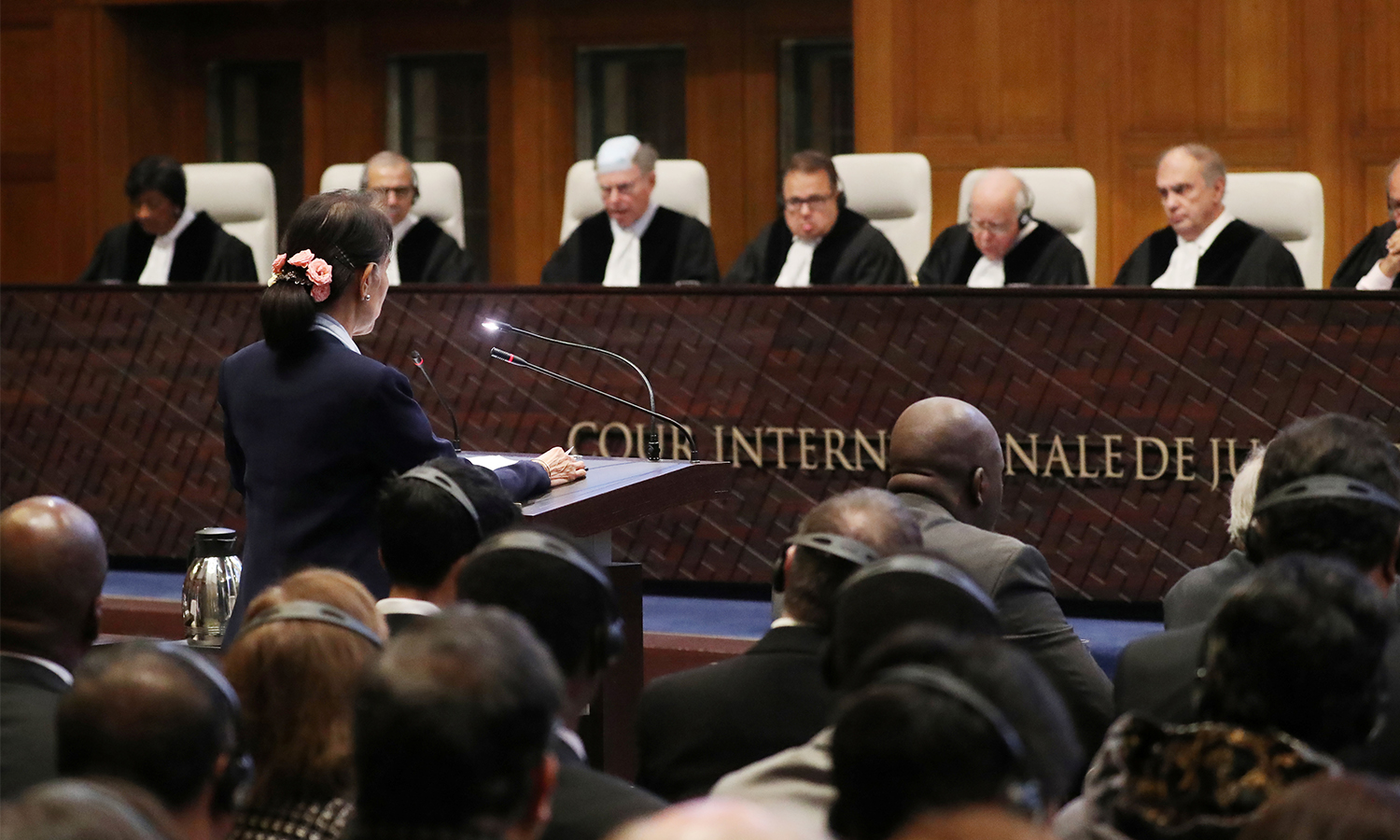
Countries also have another option when pursuing legal action on genocide: the International Court of Justice (ICJ). Unlike the ICC, the ICJ handles disputes between countries themselves. Therefore, it’s not just individuals who can be held accountable for genocide. Although a country can’t be criminally charged, it can be held responsible for perpetrating or failing to stop a genocide. If a country fails to uphold its obligations under the Genocide Convention, another country that is party to the Genocide Convention can make a case to the ICJ.
Still, challenges remain. Not every country recognizes the ICC’s authority. Some countries have refused to comply with arrest warrants or judgements on individuals. Meanwhile, the ICJ has limited power to enforce its rulings. Finding a country responsible for genocide carries symbolic weight, but it does not necessarily lead to real consequences.
Is genocide happening today?
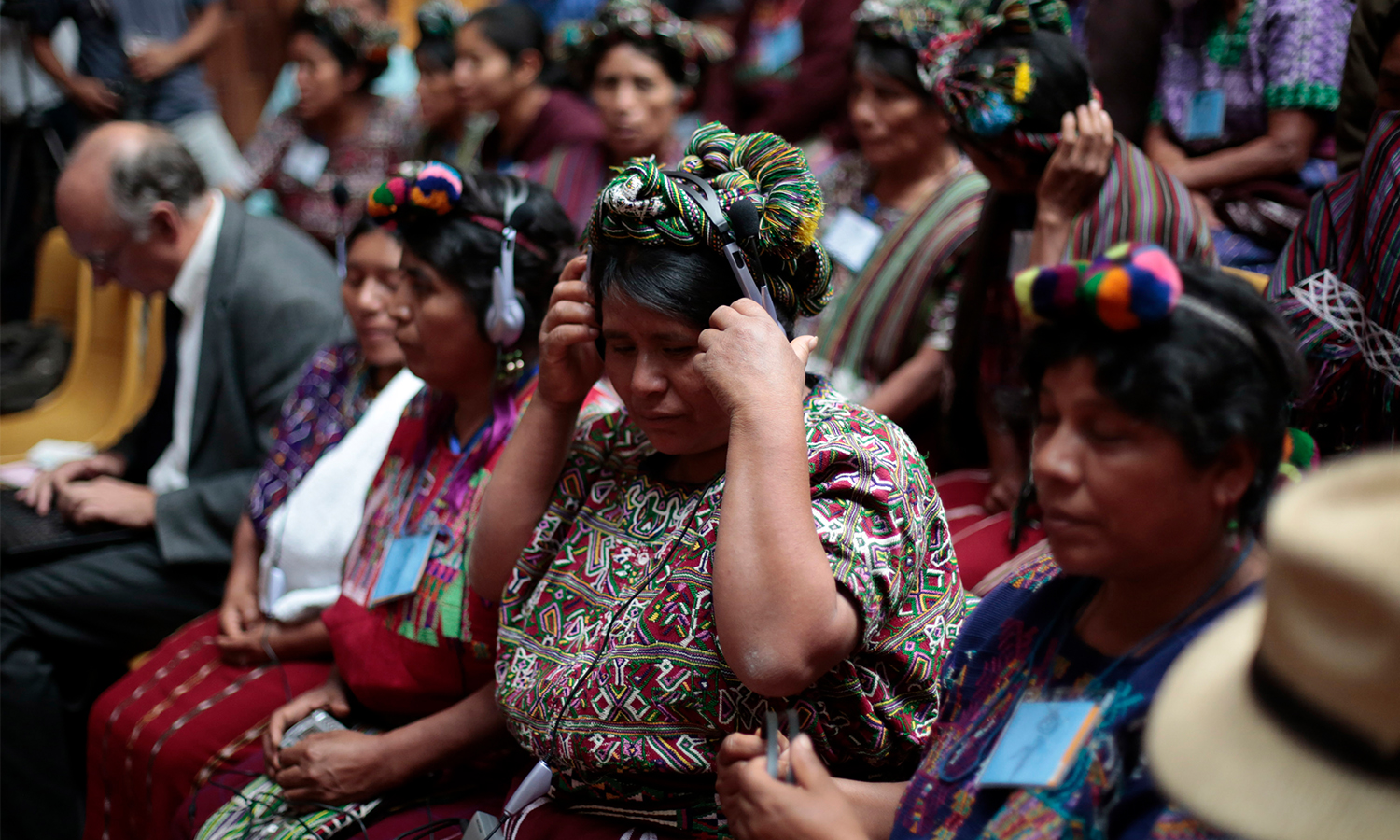
Genocide remains one of the most contentious issues in international law and politics. It continues to be among the most difficult international crimes to define and enforce. The ICC and ICJ have successfully ruled on other human rights issues and international crimes, but the Rwanda and former Yugoslavia tribunals remain the only instances of successful international legal action on genocide, although domestic courts in Cambodia and Guatemala have convicted individuals of genocide in recent years.
However, human rights groups and individual governments have called several recent events genocides. Some countries have even submitted their claims to the ICJ for judgment.
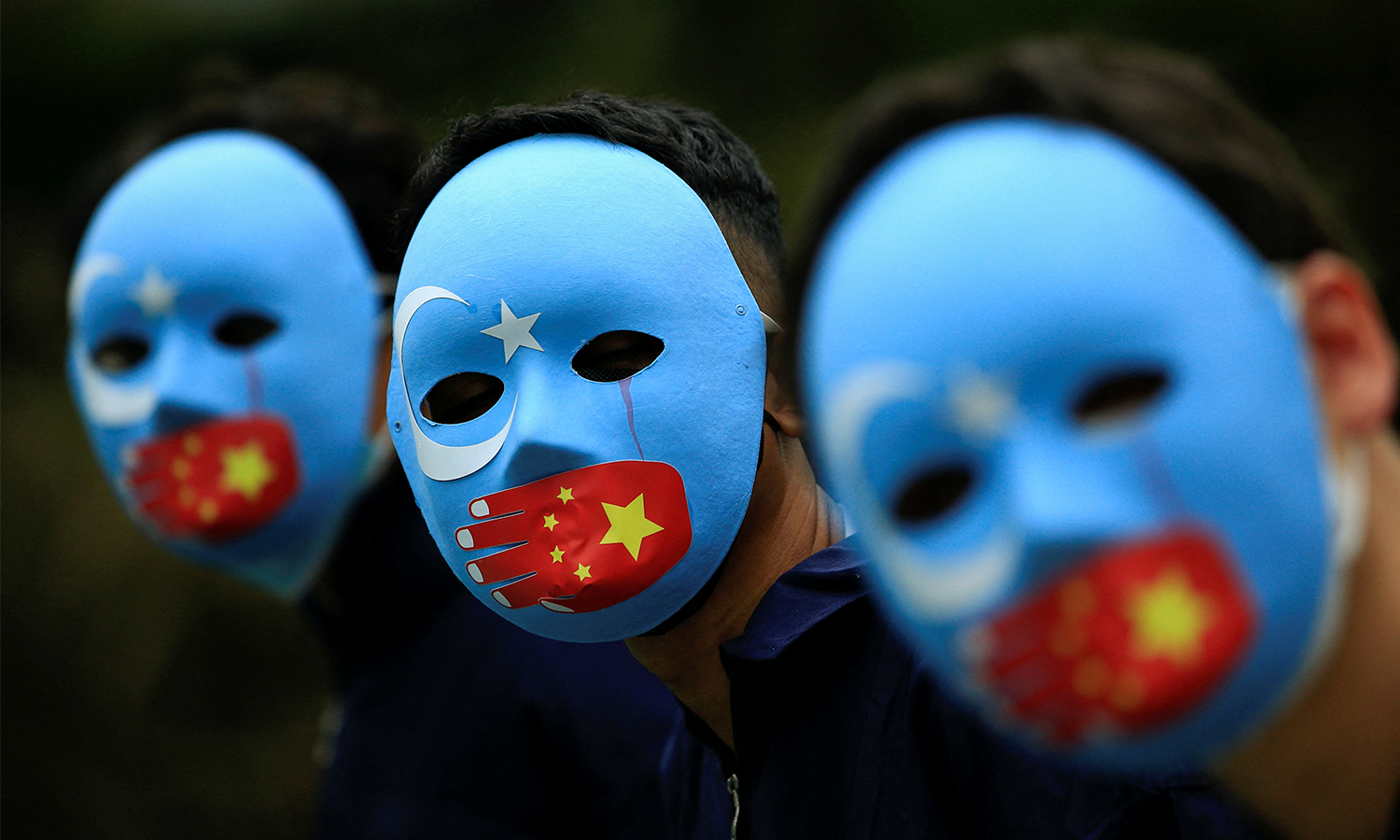
China and the Uyghurs (2014–present): China has been accused of genocide against the Muslim Uyghur people in Xinjiang Province. Journalists, law experts, and independent tribunals point to systematic attempts by the Chinese government to suppress Uyghur culture, detain Uyghur people, and implement coercive birth control.
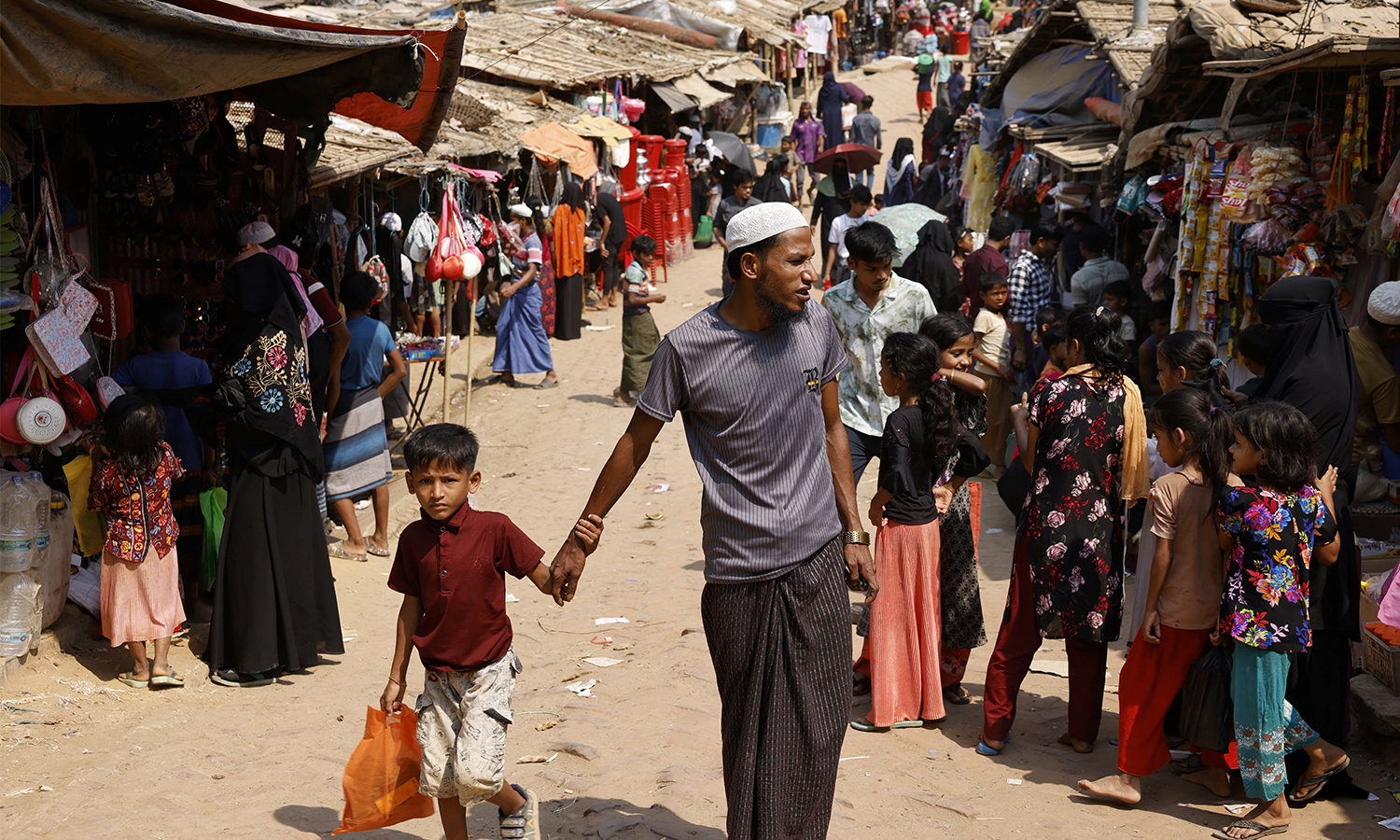
Myanmar and the Rohingya (2017–present): Myanmar military forces have been accused of conducting a genocidal campaign of killings, rapes, and arson against the country’s Rohingya Muslims. In 2017, the attacks caused more than 750,000 Rohingya to flee the country. The case was officially brought to the ICJ by Gambia (Gambia v. Myanmar). The ICJ has yet to issue a final judgment.
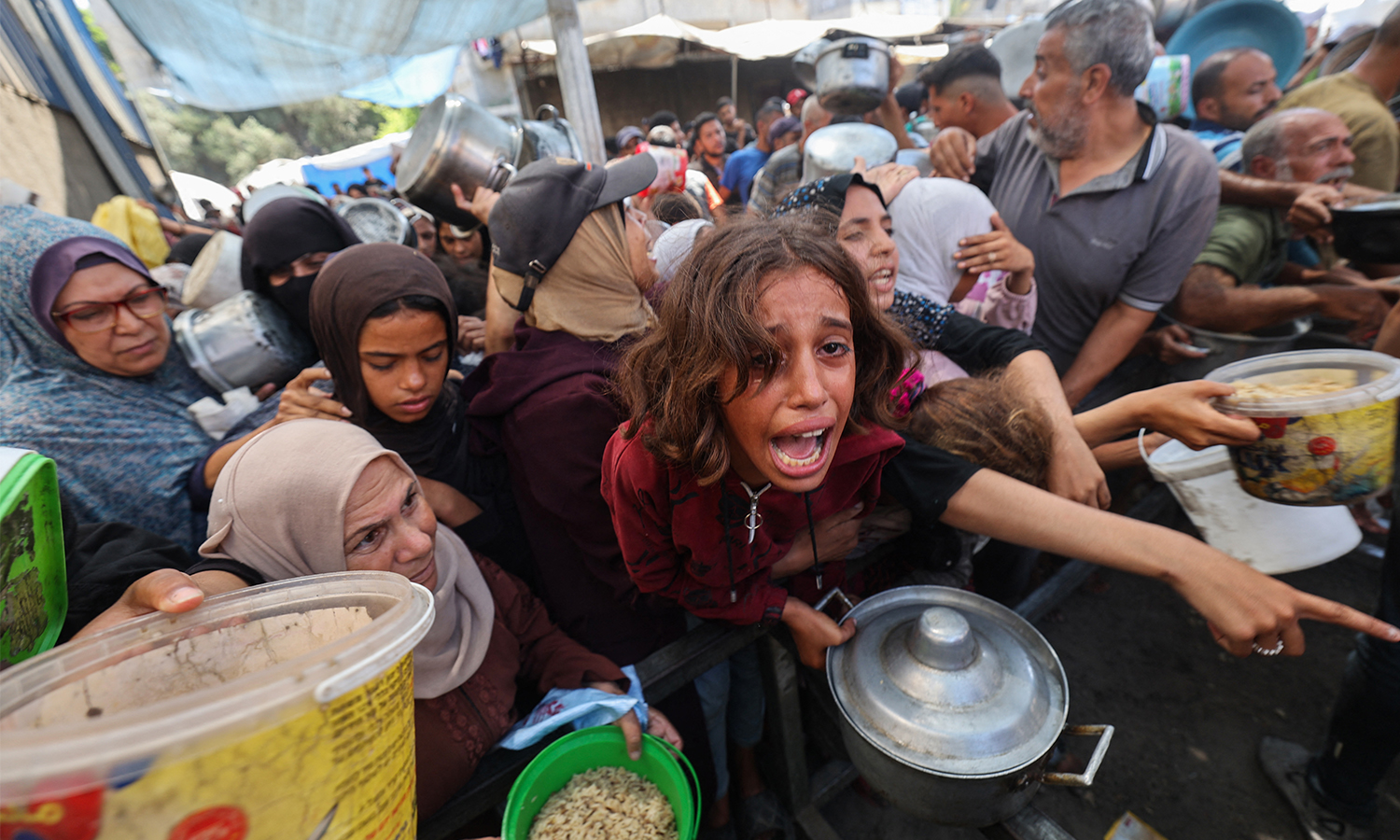
Israel and the Palestinians (2023–present): Recently, several human rights groups have alleged that Israel is committing genocide against Palestinians in Gaza. In addition, South Africa, joined by several other countries, submitted a legal case to the ICJ (South Africa v. Israel) in 2023, also accusing Israel of genocide. The ICJ has said that any ruling is unlikely before 2027.
Learn More


