What Is Gender Inequality?
Learn how gender-based discrimination harms countries around the world and how governments and international bodies are combating it.
The Women’s March in 2017 was one of the largest single-day protests in U.S. history: more than half a million people rallied in Washington, DC. But the protest wasn’t just an American event. Over seven million demonstrators took part in over seven hundred marches worldwide. As with the #MeToo movement the previous year, the demonstrations brought attention to discrimination and violence against women.
Other movements for gender equality have swept the world in recent years.
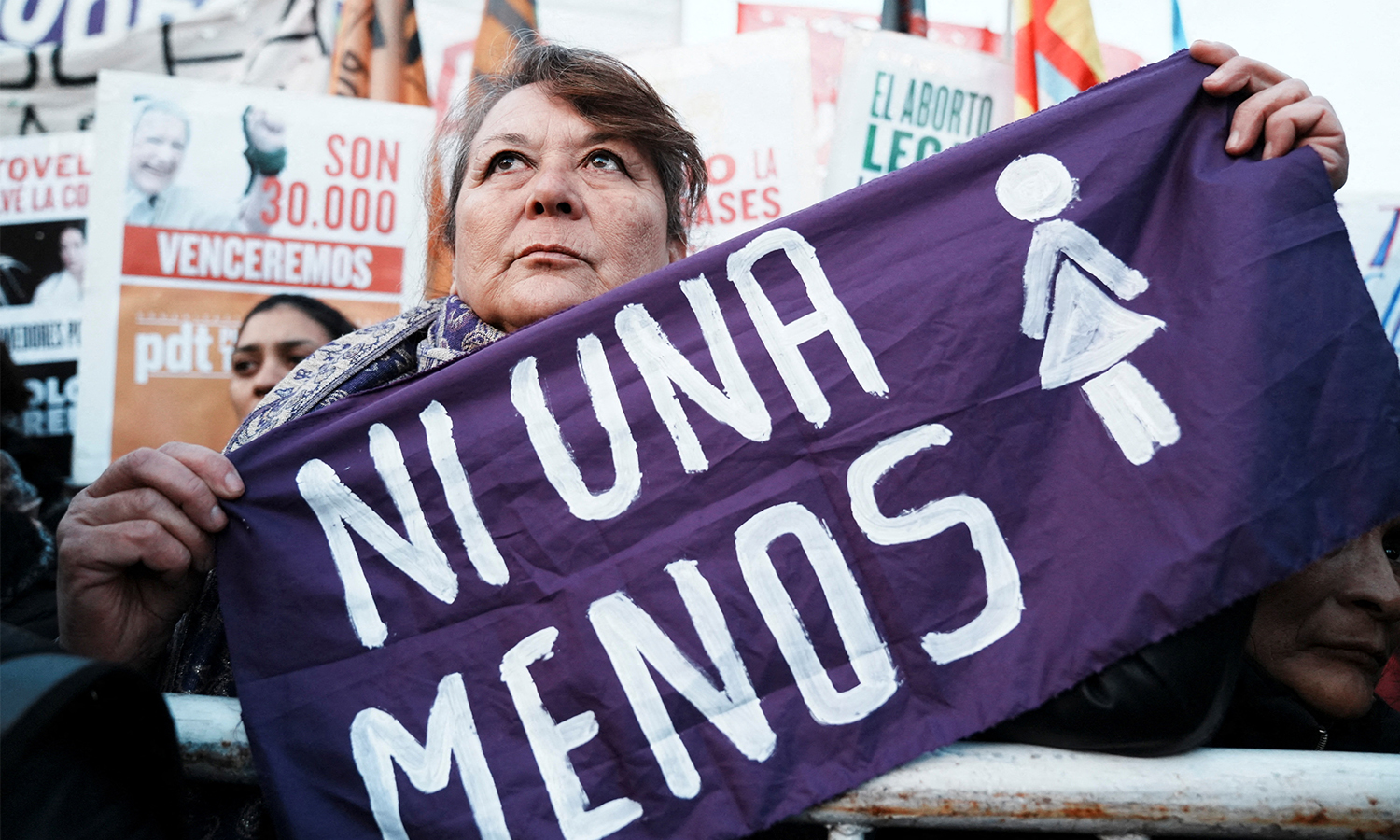
In Latin America, the NiUnaMenos (Not One Woman Less) movement made international headlines as protesters across the region demanded that justice systems do more to protect women from domestic violence.
In the Middle East, the Woman Life Freedom movement galvanized national protests in Iran after a young woman, Mahsa Amini, was arrested for violating hijab laws and later died in police custody. Tens of thousands of protesters called for basic rights long denied them by the ruling regime.
And in India, after news reports of mass sexual assault, the hashtag #IWillGoOut swept the country, spurring demonstrations in over thirty cities as protesters called for women’s access to safe public spaces, easier reporting of offenses, and support for survivors of assault.
The scale of those demonstrations highlights not only widespread public demand for increased gender equality but also the distances many countries have to go to achieve it.
Why is gender equality important?
Gender equality is the principle that everyone—regardless of gender—is entitled to equal treatment under the law, equal rights, and equal opportunities to contribute to and benefit from their societies.
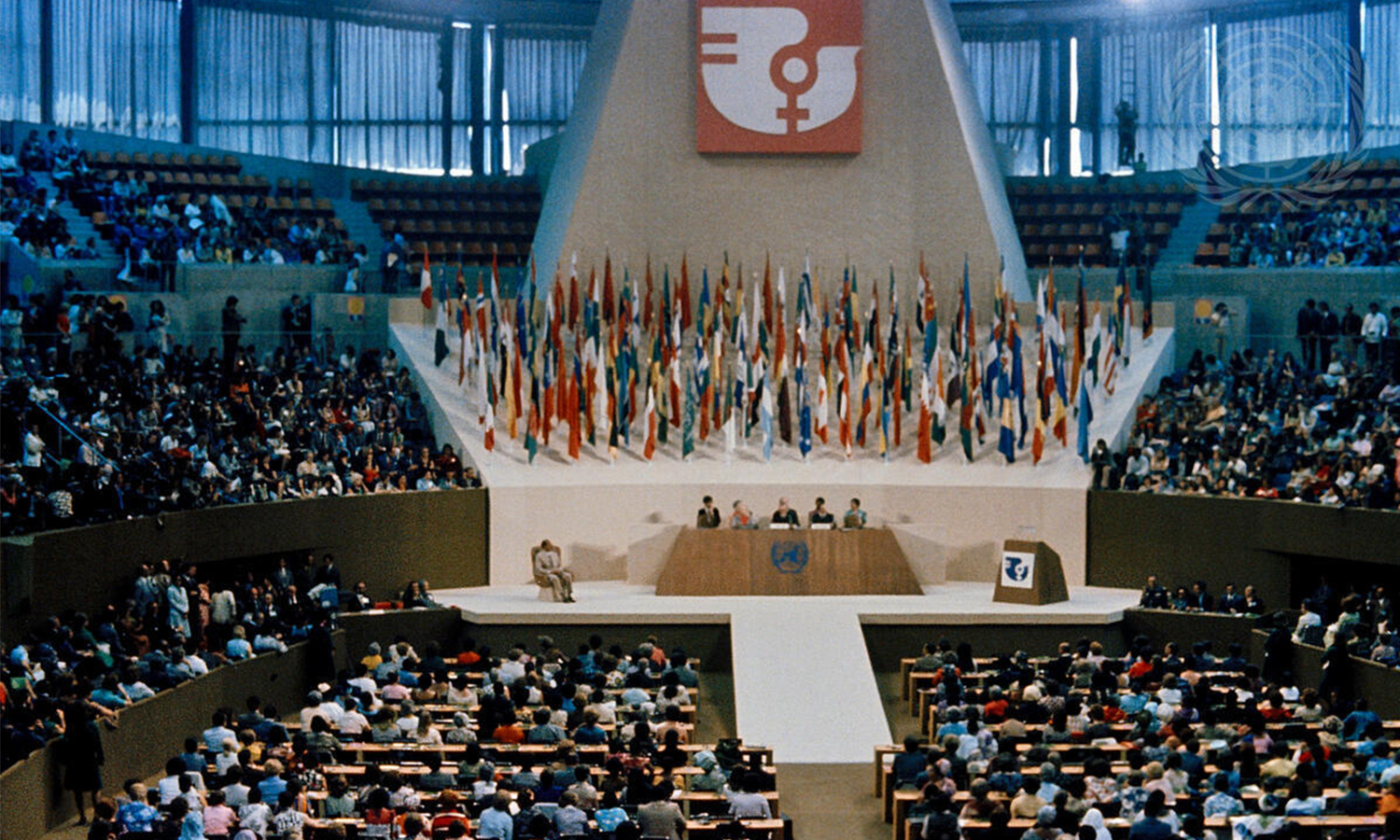
The 1979 UN Convention on the Elimination of All Forms of Discrimination Against Women (CEDAW) established that women’s rights are human rights. Under the treaty, countries must extend the same civil rights and legal status to women as they do to any other person. CEDAW also outlines reproductive rights for women and asserts that cultural traditions cannot justify gender-based discrimination. As of 2025, 189 countries had ratified CEDAW.
Progress toward equality is critical for the personal success, overall well-being, and freedom of women and girls. But gender equality helps everyone else, too. Experts have documented that gender equality comes with significant social and economic benefits.
State stability: Countries with higher female participation in the workforce and higher rates of education among women and girls tend to have lower rates of poverty, infant mortality, and violence. Meanwhile, countries with high gender inequality are more likely to be involved in conflicts. Researchers have also found that gender inequality makes countries more likely to resort to armed force in international disputes.
Economic growth: Improvements in gender equality can also correlate with economic growth. That is in part because enabling greater economic participation from women expands countries’ available labor forces. According to the International Monetary Fund, developing countries could increase their gross domestic products (GDPs) by an average of 23 percent if they closed gender gaps in the labor force. Even in developed economies, gender inequality costs governments hundreds of billions of dollars every year. Across the European Union, for example, gender-based violence—an overwhelming majority of which is against women—costs an estimated $358.2 billion each year. Those expenses arise from lost economic output, tolls on the justice system, and collateral damage (including state-funded support groups, social workers, and welfare assistance).
What is the state of gender equality around the world?
No country has achieved total gender equality, but some countries have made more progress than others. Researchers measure the state of global gender equality through what’s known as the Gender Inequality Index or GII. The GII combines factors like maternal mortality rates, adolescent birth rates, parliamentary representation, secondary education attainment, and labor market participation to determine how much human development is lost to gender inequality. The score ranges from 0 to 1. A higher score means higher inequality. Yemen currently has the highest score (0.838), while Denmark has the lowest (0.004).
People around the world experience gender inequality in various ways.
Legal protection: According to the World Bank, women worldwide have just 64 percent of the legal protections men do. Some countries have explicitly discriminatory laws, limiting women’s ability to own property, participate in the workforce, or vote. For example, 51 percent of all countries have at least one law restricting women from doing the same jobs as men. Although many countries have laws criminalizing violence against women, advocates highlight that they are not specific enough. For instance, in a 2024 survey of 131 countries, the United Nations found that only 48 percent legally defined rape based on a lack of consent rather than on narrower criteria such as the use of violence.
Political representation: Women are not as well represented in governments as men. As of 2025, women held only 23 percent of cabinet positions worldwide. And in legislative bodies, only 27.2 percent of representatives in single or lower houses were women. Though still far from equal, those figures reflect a period of significant progress. Women’s representation in parliaments more than doubled between 1995 and 2025. Experts are concerned that progress has faltered, however. Women’s political representation increased by just 0.3 percent in 2024. The United Nations estimates that if current trends hold, gender equality in the highest positions of government will not be reached for another 130 years.
Economic participation: Women make up 42 percent of the global workforce. On average, they earn 20 percent less than men globally. Some countries still have laws restricting women’s economic participation. Even without restrictions, however, women in many countries are still expected to be the primary or sole providers of unpaid domestic labor, including childcare, cooking, and cleaning. (Globally, women perform more than three-quarters of all unpaid care work.) The time and effort those tasks demand often hinder women’s abilities to work other jobs. A study by the International Labor Organization [PDF] found that if each worker were paid an hourly minimum wage, the value of unpaid care work would amount to 9 percent of the world’s GDP.
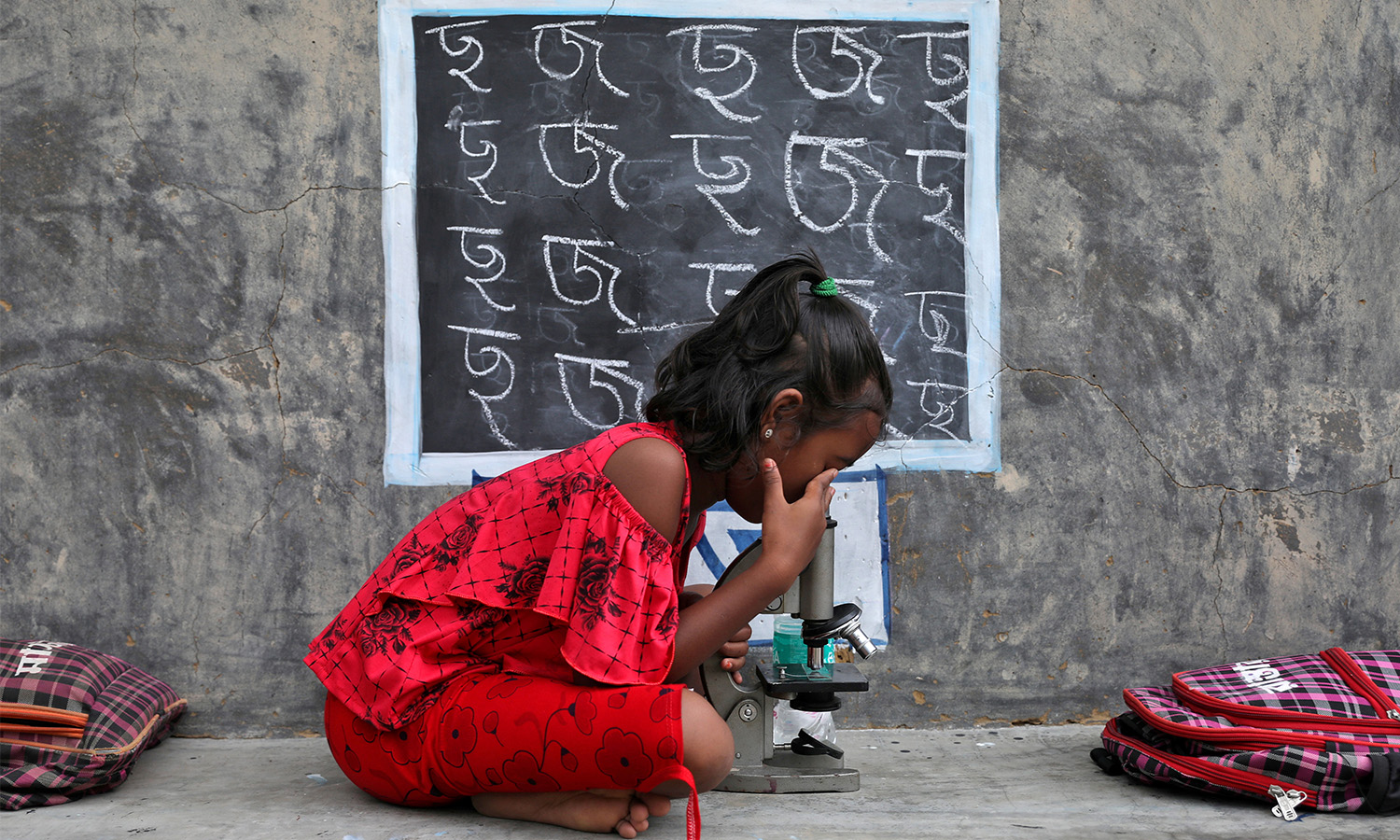
Education: Across the world, women have less access to education than their male counterparts. Two-thirds of all adults who are unable to read are women. Female students also frequently face differential treatment by teachers, restricted access to certain “gendered” subjects, and sexual harassment. Once women and girls do have access to education, however, they have been shown to outperform male students across all grade levels.
Gender-based violence: Almost one in three women have been a victim of physical and/or sexual violence. In some countries, harmful practices like female genital mutilation (FGM) persist, despite offering no health benefits and potentially serious complications. Although the practice has declined in the last thirty years, it has persisted in many countries. As of January 2025, more than 250 million women and girls are estimated to have been subject to FGM. Domestic violence also remains widespread. According to the World Health Organization, more than one in four women (ages fifteen to forty-nine) who have ever had a partner have experienced abuse by a current or former partner in their lifetime. And the United Nations estimates that 60 percent of all female homicides are perpetrated by an intimate partner or other family member.
Social discrimination: Inequality can manifest in gender-based stereotypes and skewed representation in media. A 2014 study of film across the world showed that male characters heavily outnumbered their female counterparts in portraying positions of authority such as attorneys and judges (thirteen to one) and professors (sixteen to one). Bias in society can manifest in emerging technologies as well. For example, one long-term study of over one hundred artificial intelligence systems found that 44.2 percent exhibited gender bias. As those technologies become more widely used, their ingrained biases can lead to discriminatory outcomes in areas like hiring practices, health-care decisions, or financial services.
What steps have countries taken to increase gender equality?
The world has made some notable strides toward increased gender equality. Several countries have adopted legal reforms to remove discriminatory laws and enshrine new gender equality principles. For instance, in 2021, Armenia and Ukraine introduced paid paternity leave policies, while Lebanon criminalized workplace sexual harassment. Overall, between 1995 and 2025, over fifteen hundred [PDF] gender-related legal reforms have been passed worldwide.
Several international organizations have also made increasing global gender equality a priority. The EU passed a law in 2024 to combat gender-based violence in the bloc. At the same time, the United Nations launched its Gender Equality Acceleration Plan [PDF], which aims to accelerate gender equality in leadership positions across the United Nations. The plan calls for increased consideration for gender equality initiatives in the context of each individual country’s socioeconomic situation. Additionally, by including gender equality in its seventeen Sustainable Development Goals, the United Nations has also helped boost worldwide attention to women’s rights issues.
Despite important achievements in legislation and government representation in many areas of the world, gender inequality remains a persistent issue, and experts highlight that progress has been slow and uneven. As social movements around the world highlight, many communities are committed to keeping global attention on the lack of progress toward gender equality. Still, achieving that progress will require sustained effort, political will, and recognition that gender equality enables societies to become more just, stable, and prosperous.
Learn More


