Seven “Hot Wars” During the Cold War
The United States and the Soviet Union never directly clashed, but the Cold War was far from bloodless.
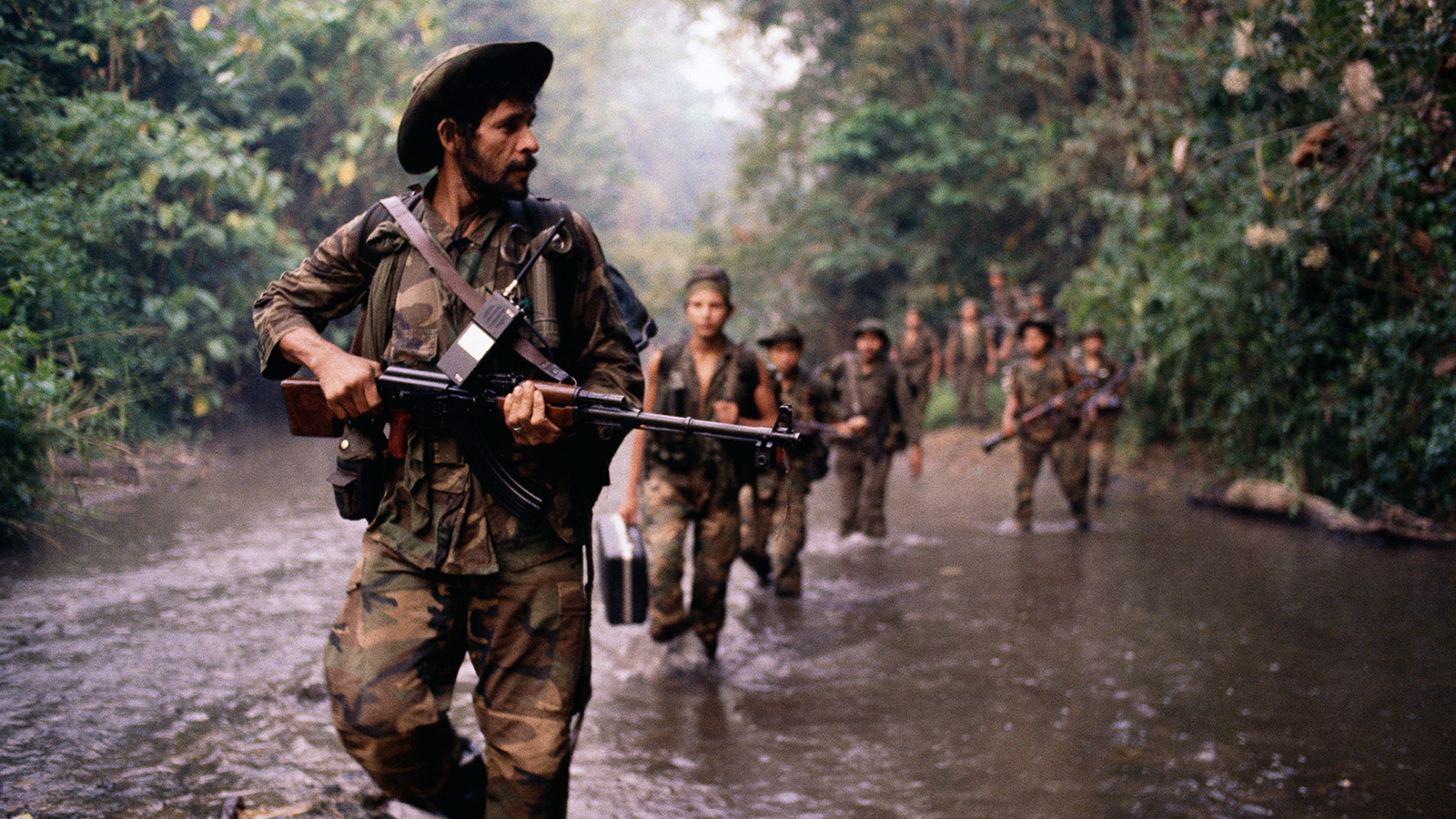
Did the Cold War really stay cold? Honest answer: yes and no.
It’s true, a direct attack between the United States and Soviet Union never occurred. But the two superpowers did fight indirectly around the world, fueling several lengthy and brutal conflicts. Those conflicts, also known as proxy wars, entailed the United States and Soviet Union providing political, financial, and military support to friendly governments.
The Soviet Union often backed governments and groups that promoted communism, a system where government officials control the country’s economy and many other parts of life. In contrast, the United States generally backed those promoting democracy and capitalism, systems in which individuals have more control over political and economic decisions.
The scale of U.S. and Soviet involvement in those conflicts varied dramatically, from all-out invasions to limited covert aid. Yet as a whole, the “hot wars” of the Cold War claimed the lives of millions and resulted in political quandaries still apparent today.
To better understand those conflicts and why the United States and Soviet Union became involved, let’s examine seven of the Cold War’s most important “hot wars.”
Korea
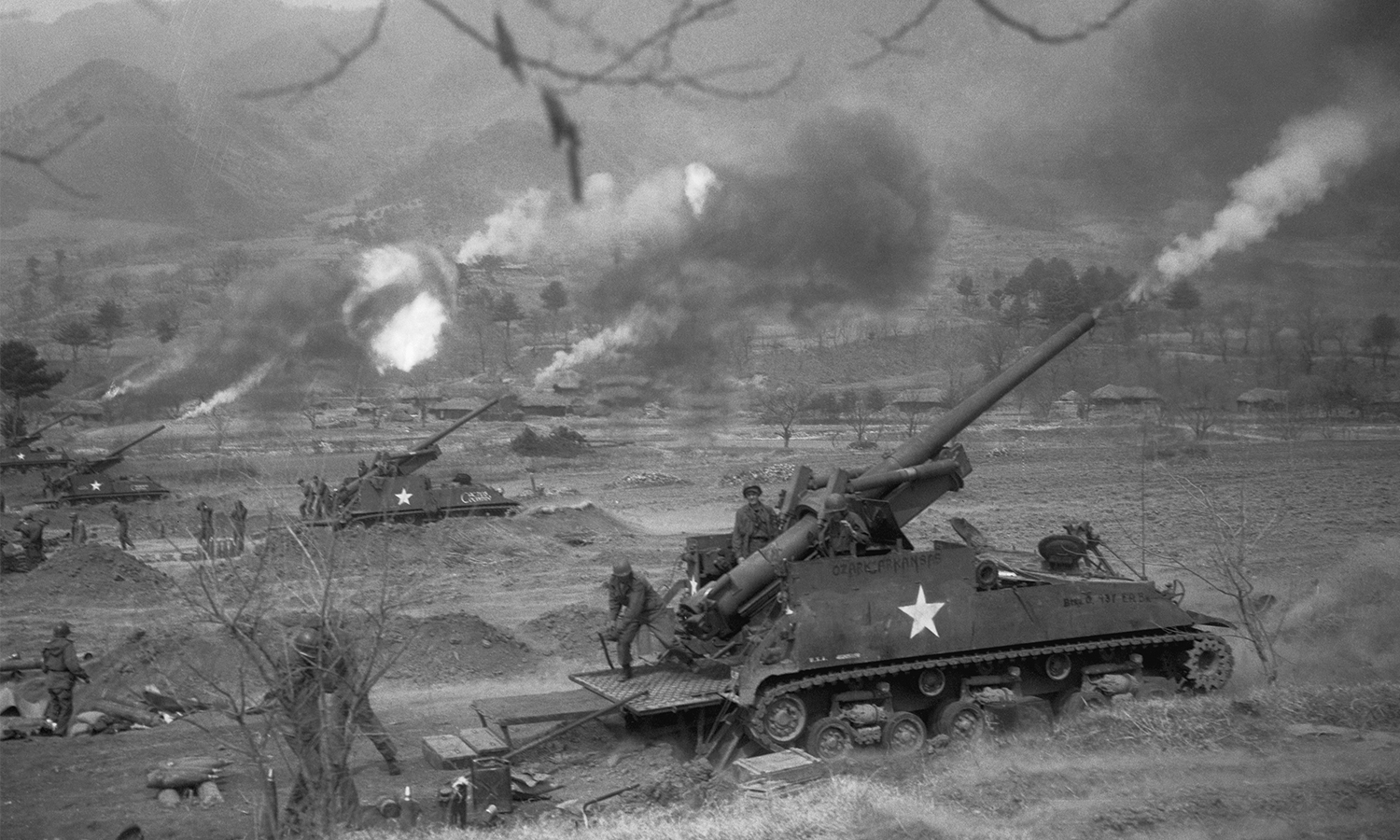
Years fought: 1950–1953
Background on conflict: After World War II, the Soviet Union and the United States agreed to split up the Korean Peninsula—formerly under Japanese control—into North Korea, administered by the Soviet Union, and South Korea, administered by the United States. In June of 1950, seventy-five thousand North Korean soldiers crossed into South Korea, igniting the first military conflict of the Cold War. The war for control of the peninsula killed between two and four million people, likely over half of which were civilians. The war eventually reached a stalemate, though no formal peace treaty was ever signed. A demilitarized zone was established which still separates the two countries today.
Type of U.S. involvement: The U.S. military was directly and heavily involved in the Korean War. Millions of Americans served in some capacity and nearly thirty-seven thousand U.S. soldiers were killed. The United States also provided economic aid and strategic planning to bolster South Korea.
Type of Soviet involvement: During the war, the bulk of foreign troops fighting for North Korea was provided by its communist ally China, which suffered close to one hundred thousand casualties. Though the Soviet Union never publicly admitted to joining the war, it provided significant military aid and training, both in the lead-up to and during the conflict. Furthermore, North Korea launched its initial invasion with approval from Soviet leadership.
Why there: In 1946, George Kennan, an American diplomat based in Moscow, wrote what came to be known as the Long Telegram. In it, Kennan warned of Soviet ambitions and argued that the United States needed to take a hard line to stop Soviet territorial expansion. The telegram served as the basis for the U.S. policy of containment, which dictated using military force to prevent the spread of communism. This policy was applied in Korea, where U.S. officials feared the North’s invasion could turn the entire peninsula into a Soviet satellite state. For their part, the Soviets supported communist North Korea’s desire to reunify the peninsula under one government and argued that the military government the United States had set up in South Korea was anti-democratic. Territorially, the Korean Peninsula was also close to the Soviet Union’s eastern front.
Cuba
Years fought: 1953–1962
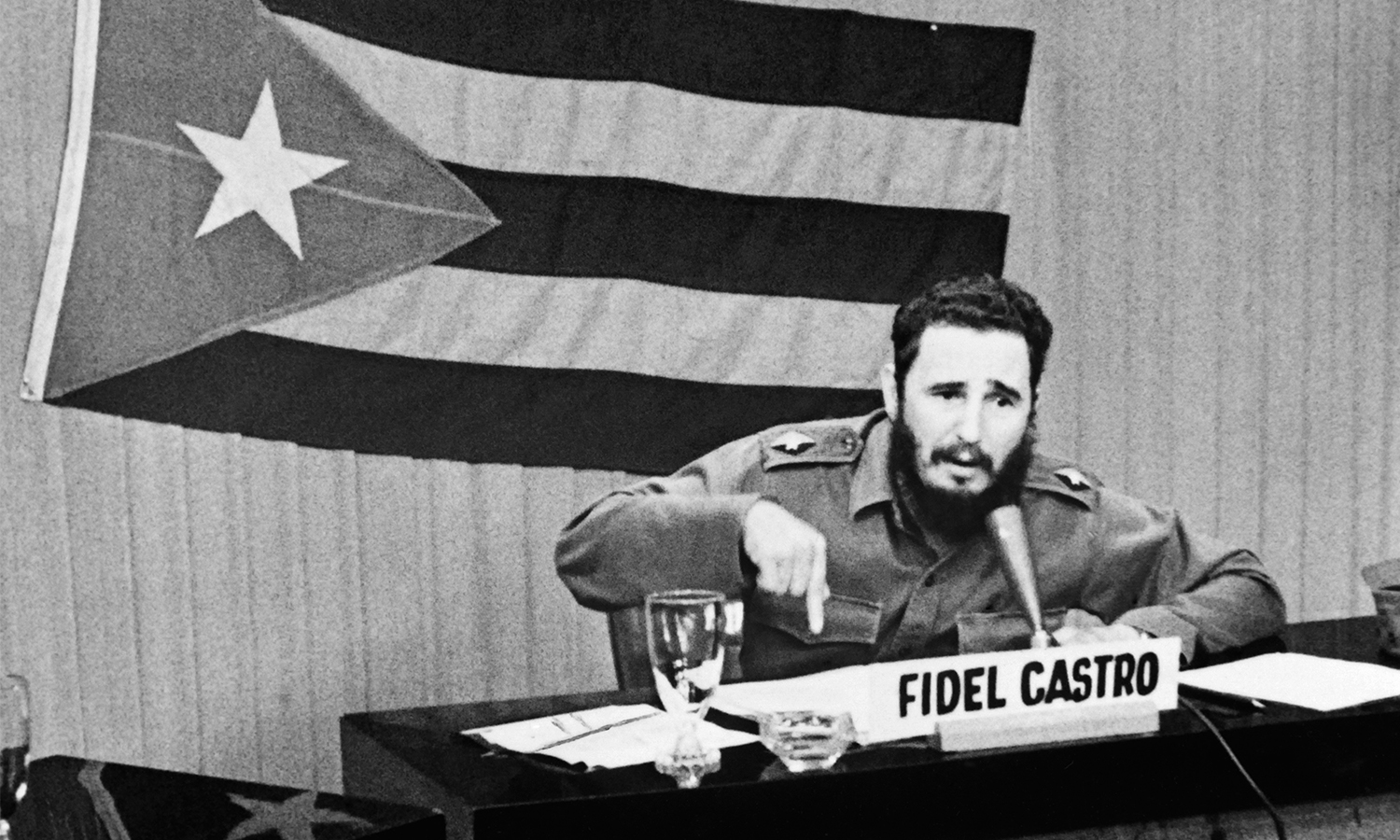
Background on conflict: In 1952, Cuban military officer Fulgencio Batista launched a successful military coup and installed himself as Cuba’s head of state. This prompted a network of insurgent rebels, led by lawyer and activist Fidel Castro, to begin attacking the U.S.-backed Batista regime. After years of guerrilla warfare, Castro’s forces prevailed and overthrew the regime. As leader of Cuba, Castro undertook a series of communist reforms, including seizing property from elites.
Type of U.S. involvement: Tensions between the United States and Cuba deteriorated quickly following the Cuban Revolution. Disturbed by a communist presence so geographically close to its shores, the United States attempted multiple times to assassinate Castro and undermine his regime. This included a disastrous failed operation in 1961, in which fourteen hundred Cuban exiles trained by the CIA stormed Cuba’s Bay of Pigs. The CIA anticipated that parts of the Cuban military and much of the Cuban population would support the coup attempt, but the exiles were defeated within days—almost twelve hundred were captured and more than one hundred were killed. President John F. Kennedy continued to attempt to depose Castro but did not undertake another land invasion of Cuba.
Type of Soviet involvement: The Soviet Union, which was not publicly involved with the Cuban Revolution, began to aid Castro’s regime and became an essential trading partner for Cuba. Cuba also served as a Soviet military ally, allowing Soviet weapons onto the island, purportedly to deter more invasion attempts.
Why there: The United States’ main concern about Cuba was its proximity; Cuba lies about one hundred miles off the coast of Florida. That worry came to bear in 1962 when U.S. spy planes captured images of Soviet nuclear missiles in Cuba. This led to a tense thirteen-day confrontation between Moscow and Washington known as the Cuban Missile Crisis. Eventually, both sides backed down, but a small Caribbean country was nearly at the center of nuclear war.
Vietnam
Years fought: 1955–1975
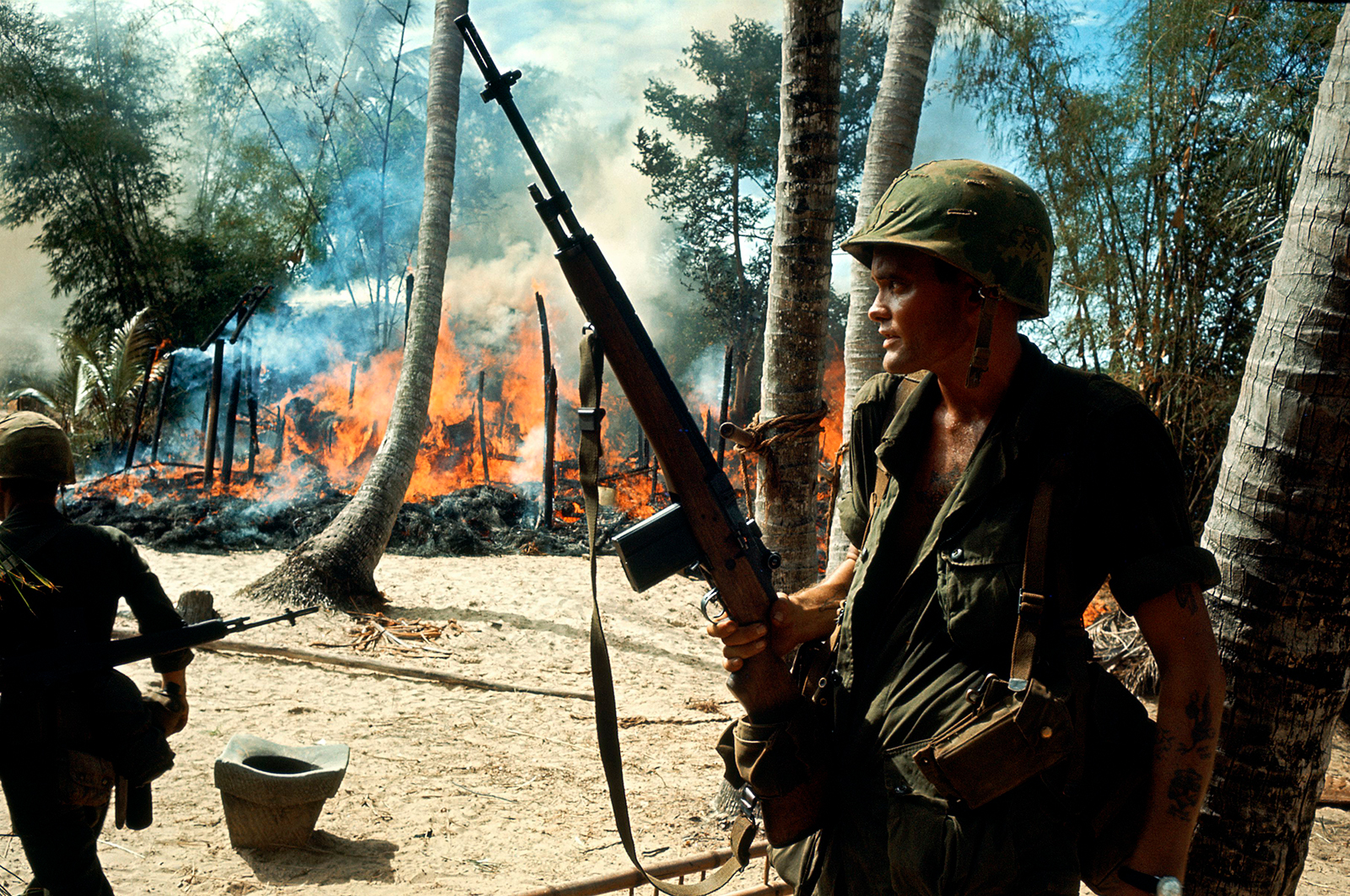
Background on conflict: After World War II, Vietnamese soldiers, spurred by decolonization movements around the world, drove the French out of their territory. The newly independent country was split into North Vietnam, run by revolutionary communist leader Ho Chi Minh, and South Vietnam, run by U.S.-supported Ngo Dinh Diem. Fearful that Vietnam and the rest of Southeast Asia might fall to communism, the United States established a stronghold in South Vietnam. In 1964, the United States increased its military presence in the region, which stoked hostilities. After decades of guerilla warfare, in which the North Vietnamese were supported by the Soviet Union and China and the war spread to neighboring Laos and Cambodia, U.S. military resolve weakened and the North Vietnamese emerged victorious.
Type of U.S. involvement: The U.S. military was actively involved in the conflict in Vietnam from its beginning. Direct military engagement surged after Congress authorized President Lyndon Johnson to send more troops into the region in 1965. With nearly sixty thousand American soldiers killed in action, the Vietnam War remains one of the deadliest wars in terms of U.S. casualties. The Vietnam War also eroded many Americans’ trust in their government, as feelings of being misled about supposed military success in Vietnam contributed to large-scale protest movements in the United States.
Type of Soviet involvement: The Soviets provided the North Vietnamese with large amounts of economic aid, military supplies and weapons, and training. The Soviet Union also committed up to three thousand military advisors to Vietnam during the war. The victory was a boon for the Soviet Union’s hopes of internationalizing its ideology, even though Ho Chi Minh was not in lockstep with all Soviet policy.
Why there: The United States, in line with its policy of containment, was concerned that the surrounding region could easily follow suit if Vietnam fell to communism. Still, the military conflict escalated because of a series of miscalculations of the strength of the North Vietnamese. Once mired, five successive U.S. presidents continued the country’s involvement. None wanted to be the first commander in chief in U.S. history to definitively lose a war.
Congo
Years fought: 1960–1965
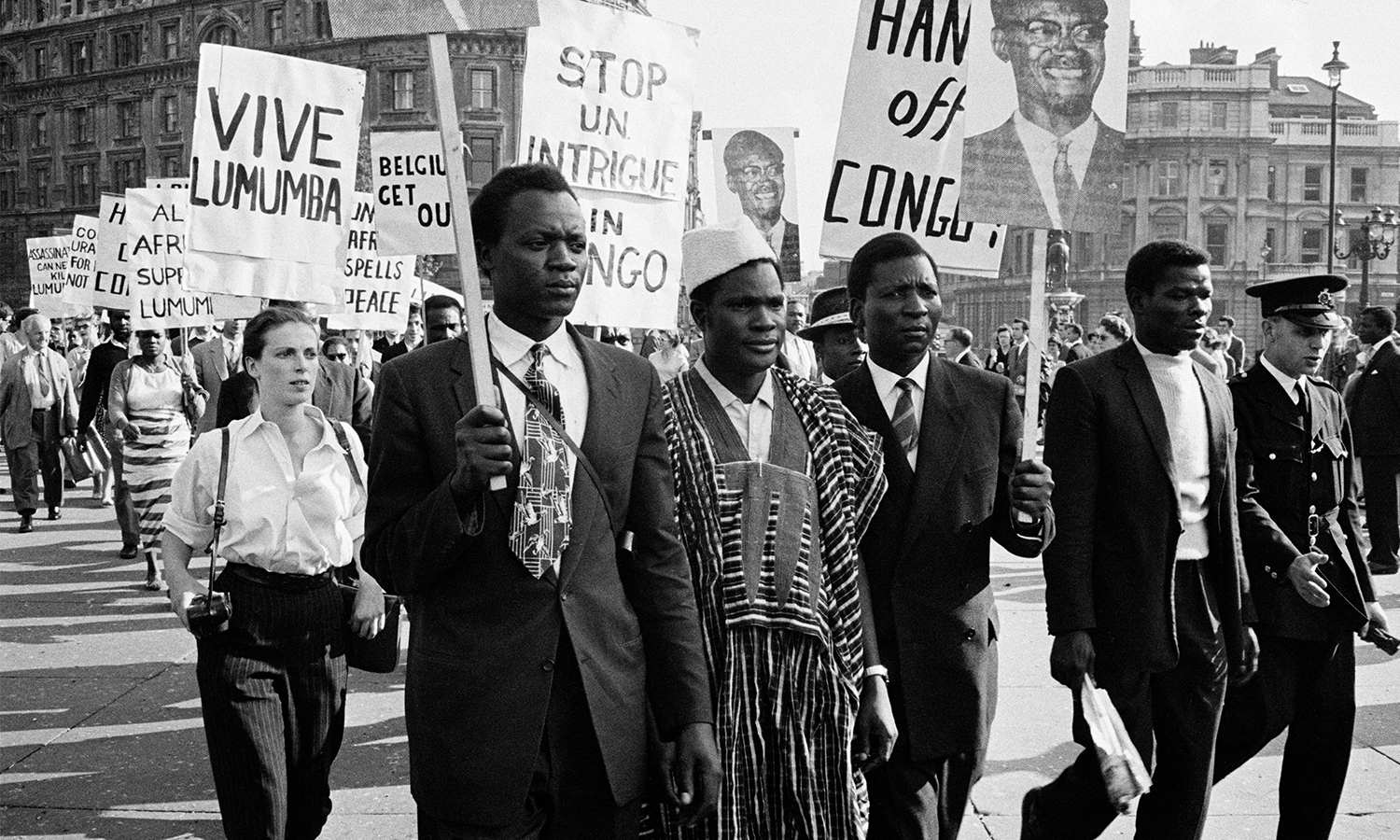
Background on conflict: In June 1960, Congo gained independence from Belgium. Within days, the country descended into chaos when Congolese soldiers mutinied. In response, Belgium sent in troops and supported the secession of the mineral-rich Katanga province, compounding the crisis. Fearing that Belgium and other imperial powers were exploiting the situation to reassert colonial power, nationalist Prime Minister Patrice Lumumba successfully petitioned the United Nations to send in peacekeeping troops.
Lumumba soon deemed the peacekeeping mission ineffective and turned to the Soviet Union for military support. Alarmed by this new relationship, Washington shifted its focus to unseating Lumumba. Those efforts soon bore fruit when the Congolese military expelled Soviet personnel from the country, arrested Lumumba, and transferred him to the Katanga province, where he was executed by secessionist forces. For the next several years, conflict persisted between the central government (supported by Belgium and the United States) and several rebel movements, including Marxist factions inspired by Lumumba. With the help of Belgian and U.S. forces, those rebel groups were defeated in 1965. The following year, General Joseph Désiré-Mobutu seized full control of the government, effectively ending the political crisis. Mobutu proved to be a strong anti-communist U.S. ally in the region, serving as president and dictator until his ouster in 1997.
Type of U.S. involvement: Washington’s efforts to influence the Congo crisis increased once Lumumba turned to Moscow for aid. The United States exerted diplomatic pressure to have him removed from power. Furthermore, the U.S. government is alleged to have been complicit in Lumumba’s execution, alongside Belgium and Britain. In the five years between Lumumba’s overthrow and Mobutu’s rise to power, the United States financially backed pro-Western political candidates in Congo, seeking to resolve the political instability through a friendly regime. During this time, the United States provided significant military and financial aid to support the Congolese army’s fight against pro-Lumumba rebels. In the end, it was the staunchly anti-communist Mobutu regime that satisfied U.S. interests.
Type of Soviet involvement: Though Moscow pledged to support Lumumba’s request for help and threatened to intervene militarily—causing significant alarm in Washington—it ended up only providing limited military aid. This included the use of Soviet aircraft to airlift Congolese troops. After Lumumba was executed and Soviet personnel were expelled from the Congo, the Soviet Union provided limited material support to pro-Lumumba rebels.
Why there: Located in central Africa, the Congo is large and rich in natural resources, making it strategically valuable. Both the United States and the Soviet Union wanted the newly independent country in their political and economic orbit and sought to prevent the other from gaining a foothold in the region.
Nicaragua
Years fought: Early 1960s–1990
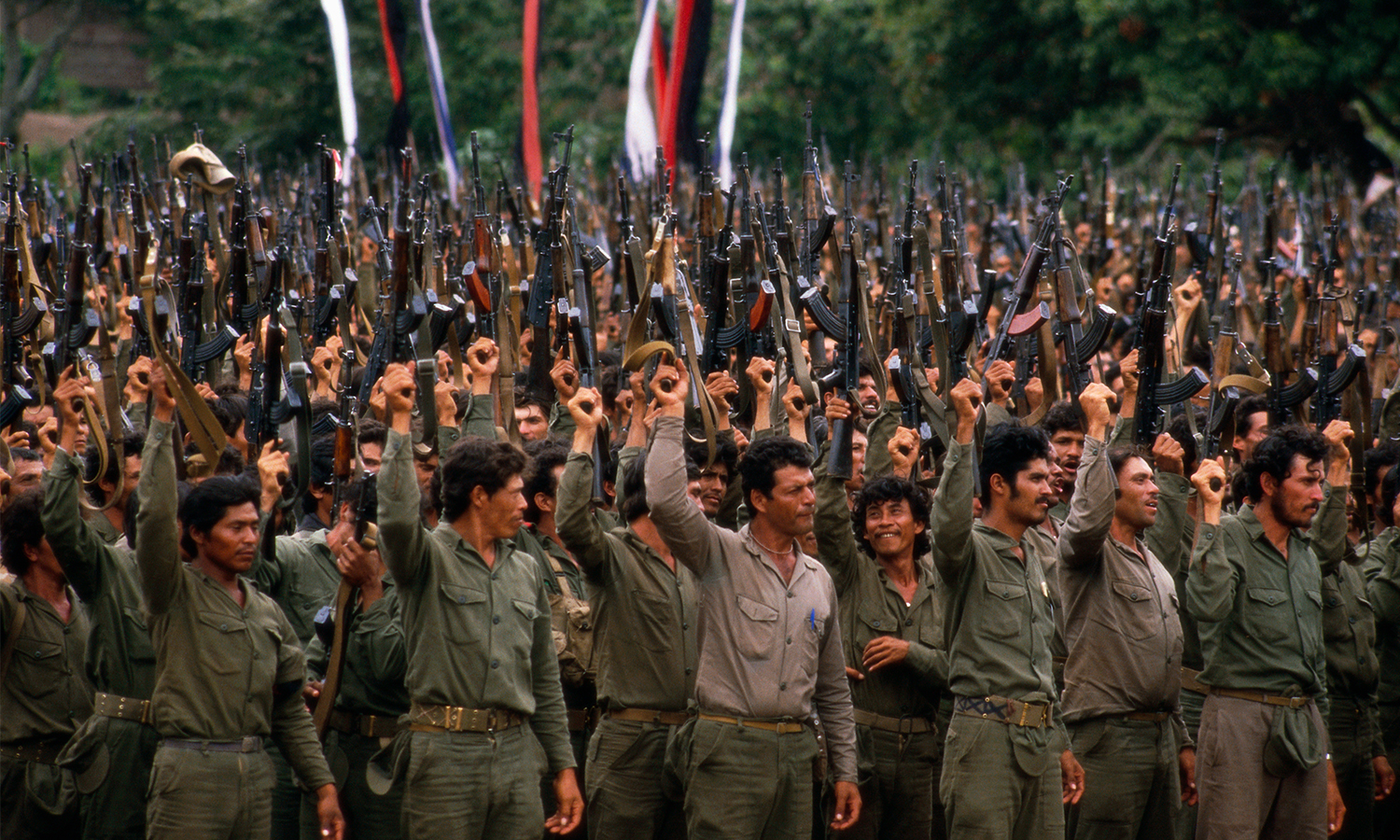
Background on conflict: After the U.S. occupation of Nicaragua ended in 1933, the Somoza family dynasty came to power. Friendly with the United States, they increased economic development in Nicaragua but also exacerbated inequality and oversaw a regime rife with political corruption. In the 1960s, a Marxist opposition group called the Sandinista National Liberation Front (or Sandinistas) grew stronger with the help of neighboring communist governments. Eventually, the Sandinistas launched a full-scale guerrilla campaign against government forces. By 1979, after years of bloody conflict, they had taken control of the government. But within a couple of years, a group of exiled Somoza forces known as the Contras—some trained and equipped by the United States—began attacking the Soviet-backed Sandinista government. Eventually, after another decade of devastating guerrilla warfare full of human rights abuses and corruption, the Sandinistas lost the 1990 elections, putting an end to the conflict. At the same time, support was crumbling for communist parties around the world.
Type of U.S. involvement: The United States originally supported the Somoza regime before covertly backing the Contras with funding and training, especially after President Ronald Reagan took office in 1981. However, in 1986, news leaked that the Reagan administration had been secretly selling arms to the Iranian government and using the profits to fund the Contras. The discovery was shocking: Iran was under an arms embargo and, just two years prior, Congress had prohibited any U.S. military support to the Contras. The scandal, now known as the Iran-Contra Affair, forced the United States to wind down its support for the Contras.
Type of Soviet involvement: After the Sandinistas came to power in 1979, the Soviet Union (along with its allies in Cuba) provided the Sandinista government with significant military and economic aid.
Why there: Nicaragua endured perhaps Central America’s bloodiest conflict of the Cold War, but the conflict cannot be divorced from political unrest in neighboring countries. Interest in communism—spurred both by Soviet efforts and decades of government corruption—was significant throughout the region. In turn, the United States launched sustained efforts to eradicate communism from Central America, a region that Washington considered to fall within its sphere of influence.
Angola
Years fought: 1975–2002
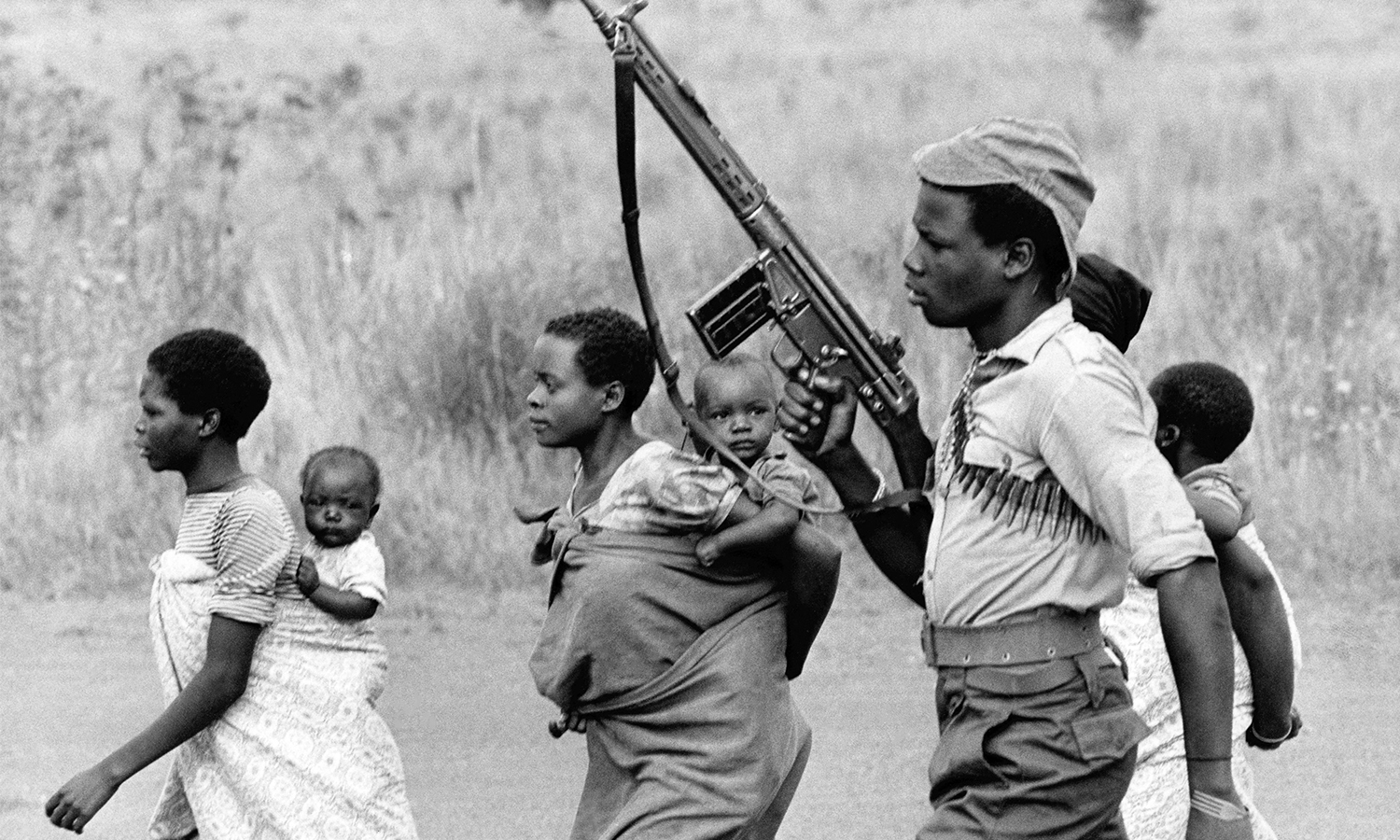
Background on conflict: After Angola gained independence from Portugal in 1975, two major political factions began fighting for control of the country. The communist People’s Movement for the Liberation of Angola (MPLA)—supported by Cuba and the Soviet Union—and the anti-communist National Union for the Total Independence of Angola (UNITA)—supported by South Africa and the United States—fought for significant periods between 1975 and 2002. After decades of conflict that killed hundreds of thousands and internally displaced over one million, the MPLA prevailed. While the Angolan Civil War was in many ways a Cold War proxy conflict, divisions existed along ethnic lines and were deepened by the legacy of centuries of colonialism that had disunited Angolans.
Type of U.S. involvement: Although the United States was not directly involved in the Angolan Civil War, it financially supported UNITA and encouraged UNITA to fight rather than accept a negotiated settlement.
Type of Soviet involvement: The MPLA had a particularly long-standing history with the Cuban government, a major Soviet ally. Cuba conducted some independent operations in the country, while the Soviets lent financial and political support to the MPLA.
Why there: The United States and the Soviet Union were cautious about pledging too much support to Angola, with Washington particularly worried about creating another Vietnam-like quagmire. Still, the United States agreed to pledge troops for fear of a domino effect in southern Africa. Additionally, the CIA was worried that the Soviet Union would set up a military base in Angola. Finally, Angola is rich in natural resources, including oil in the northern half of the country, and was an attractive trading partner for both sides.
Afghanistan
Years fought: 1979–1989
Background on conflict: In 1979, after Afghanistan’s Soviet-friendly leader was assassinated, the Soviet Union intervened militarily and installed a Soviet loyalist. For the next decade, Afghan insurgent groups, armed with weapons provided by the United States, waged guerilla warfare against the Soviet-backed government. Western media dubbed the conflict “the Soviet Union’s Vietnam” due to parallels in the insurgency and the frustration it elicited at home. By 1989, the Soviets had totally withdrawn from Afghanistan without much to show for it. Just two years later, the Soviet Union collapsed; many scholars argue that its invasion of Afghanistan hastened the fall of the Soviet Union.
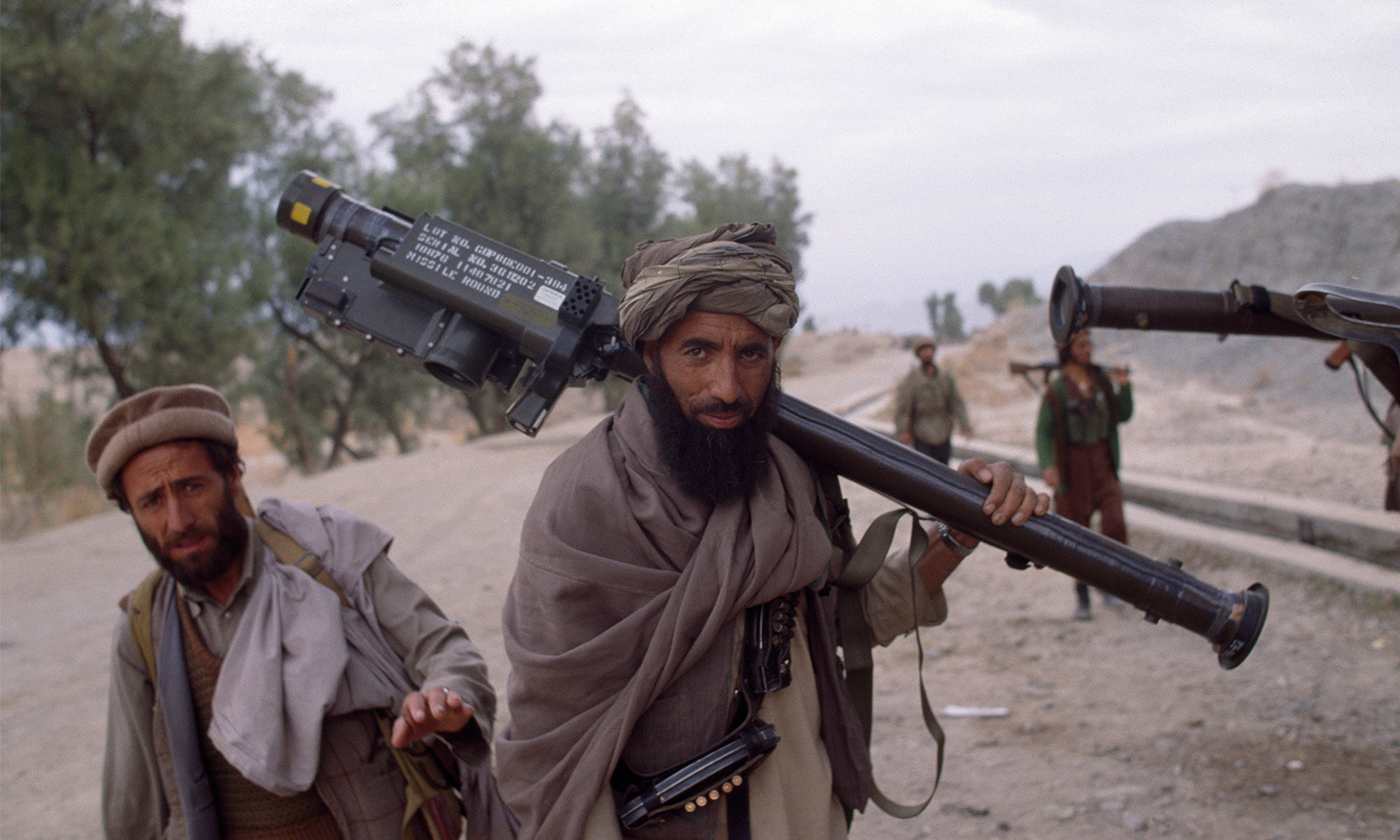
Type of U.S. involvement: The United States funded the resistance movement known collectively as the mujahideen with over $20 billion, funneling money through Pakistan and American intelligence agencies. The U.S.-built Stinger missile, which took out Soviet helicopters, was particularly valuable to the mujahideen.
Type of Soviet involvement: The Soviet Union invaded with more than one hundred thousand troops. Over the course of the war, the Soviets sustained around 15,000 casualties, while estimates suggest that somewhere around 500,000 to 1.5 million Afghan civilians were killed.
Why there: Afghanistan bordered the Soviet Union to the south, making it an important figure in the Soviet sphere of influence. In 1979, following the assassination of Afghanistan’s Soviet-friendly leader, the Soviet Union feared Afghanistan would move toward the United States. For the Soviets, a U.S.-aligned Afghanistan was unacceptable.
Learn More


