What Is Climate Change?
In this educational video, learn why the climate is changing, how it affects us, and what we can do about it.
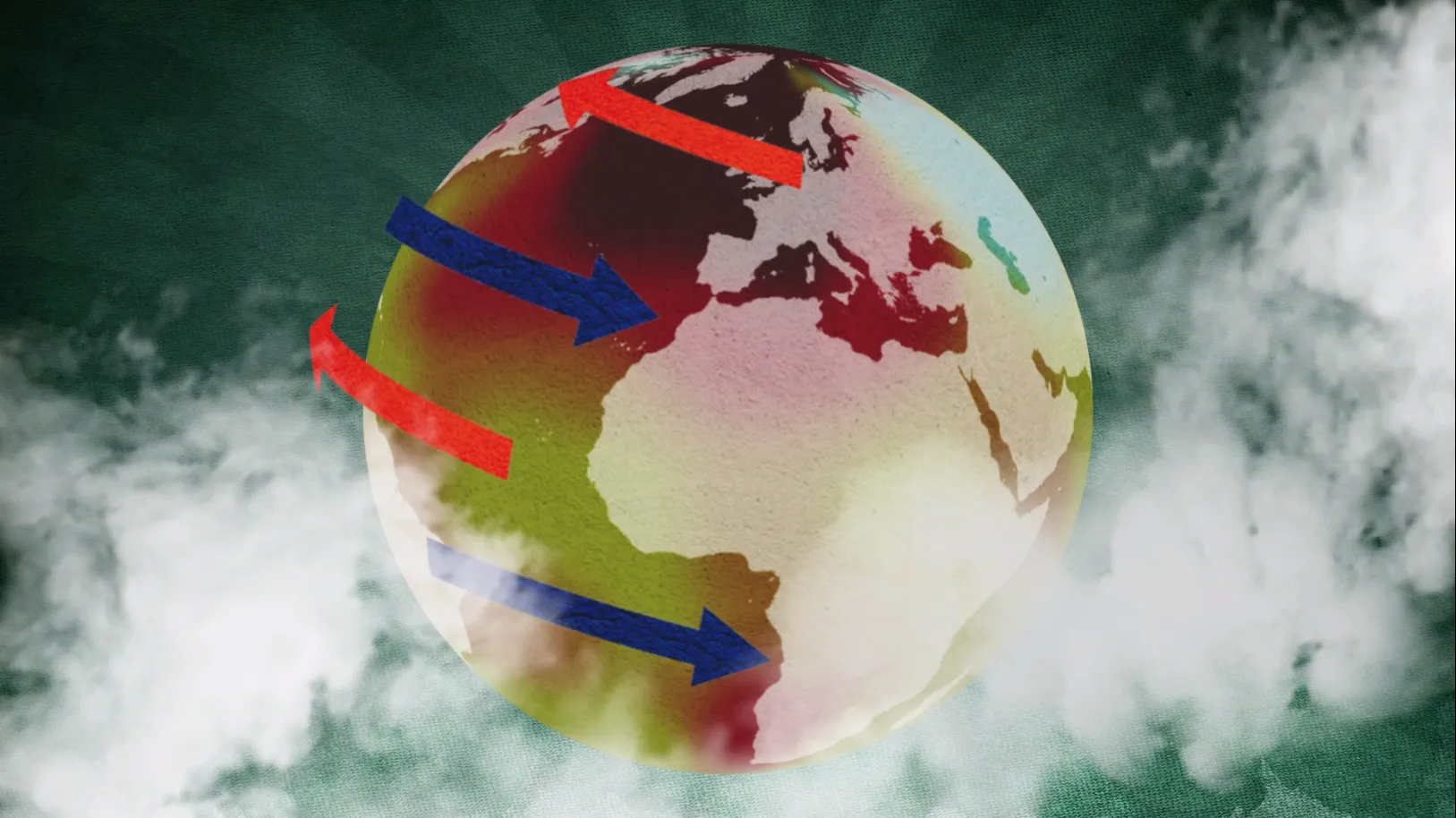
Climate Change Causes and Effects
Climate change is rapidly altering our world in profound ways. Human activity has already increased the earth’s temperature by about 2°F since 1880. As the planet continues to get hotter, through a process known as global warming, the dangers intensify. Millions of people could be displaced and vital infrastructure could be destroyed. Climate change’s effects are far-reaching and varied and touch virtually every aspect of life on the earth: extreme heat events, rising sea levels, deeper droughts, desertification, bigger wildfires, and more intense storms.
Because climate change poses such an extraordinary threat to the planet, it needs to be addressed. There are no clear-cut answers to this global challenge, but it is not insurmountable. Countries are already taking steps to adapt to climate change and mitigate its effects. Blueprints exist, but they need to be used more widely and more effectively, because the longer action is delayed, the worse climate change becomes—and the more difficult it will be to endure.
Transcript: What are the Effects of Climate Change?
“Climate change” refers to the change in global climate patterns over the last century.
Most scientists accept that it is a reality tied to carbon dioxide and other greenhouse gases emitted through human activities, including the use of fossil fuels.
Greenhouse gases trap heat in the earth’s atmosphere, causing temperatures to rise. In fact, the ten warmest years on record have all occurred since 1998.
So how did we get here?
In 1769, James Watt’s version of the steam engine was patented, and this innovation led to the widespread use of coal—a major fossil fuel both then and now—to power industry, agriculture, and textile production. As a result, the productivity of these industries dramatically increased in the period known as the Industrial Revolution.
Studies reveal the beginnings of a sharp increase in CO2 in the earth’s atmosphere, corresponding to this period.
Since then, engines powered by carbon-based fuels have proliferated in cars, planes, and ships. These fuels are used to generate power and manufacture goods, too.
Activities beyond fossil fuel use also generate greenhouse gas emissions. Deforestation is one example, since trees absorb carbon dioxide.
The amount of CO2 in the atmosphere is higher today than it has been for hundreds of thousands of years.
The effects are significant and include melting polar ice, rising sea levels, severe storms, droughts, and flooding.
The consequences include widespread destruction, particularly for those living in coastal areas and on islands, the extinction of plants and animals, water scarcity, and changing crop and fishery yields. Climate change can contribute to hunger, refugee flows, and more.
These consequences will occur unevenly across time and place, but will affect everyone.
There is wide scientific agreement about the urgent need to address climate change, but less political consensus about how.
The possibilities can be grouped into three categories: mitigation, adaptation, and geoengineering.
Mitigation refers to efforts to reduce or prevent emissions of greenhouse gases, whether by increasing the efficiency of fossil fuel use, using cleaner fuels, or preserving or replanting forests.
Electric and fuel-efficient cars, mass transit, and bike sharing programs are all examples of mitigation efforts.
Energy use from fossil fuels is a major emissions source. But reducing these emissions at a scale that prevents the worst effects of climate change, while providing the power necessary for a growing world, is an enormous challenge.
There are two policy approaches for mitigation efforts: top-down and bottom-up.
A top-down strategy sets an overall international goal and assigns each country a particular action to fulfill that goal.
A bottom-up approach does not bind countries to specific steps. The 2015 Paris Agreement, in which countries themselves decided what mitigation actions to take, is one prominent example.
Top-down agreements have proved harder to reach because countries disagree on how to share the burden of cutting emissions. Developed powers, such as the United States and European countries; major developing states, such as China and India; and smaller developing countries all have differing views.
Another policy response is adaptation, which aims to reduce the world’s exposure to climate change’s effects. This includes moving people from areas prone to flooding and using barriers, regulations such as building codes, and other steps to protect those who stay. Large-scale adaptation— including the relocation of entire island countries—is expensive, and governments differ on who should pay.
A third policy area, geoengineering, aims to reverse climate change’s effects, such as by releasing particles into the atmosphere to deflect some of the sun’s rays. But the science remains in development, and the effects are uncertain.
There is also no consensus on who would approve any such act. Geoengineering is thus controversial, but will likely remain a possibility if climate change and its predicted effects advance.
Greenhouse gases affect us all, no matter where they are emitted. This problem, and the threats it poses, require a response from governments, businesses, and citizens worldwide.