National Politics: Sub-Saharan Africa
From third termism to democratic reform, learn about the issues and trends shaping ten countries today.
Many of sub-Saharan Africa’s borders date back to colonial times, when boundaries were drawn without considering the people who would end up living on either side.
After World War II, as countries gained independence, ethnic, linguistic, and religious groups within national borders started fighting for control. In 1964, many African governments formally agreed to maintain colonial borders to promote stability in the region. But that effort often failed. For instance, just three years after that agreement, a bloody civil war broke out in Nigeria.
By the late 1990s, most sub-Saharan nations had transitioned from being European colonies to becoming independent countries. Some, such as Botswana and South Africa, formed democratically elected governments. In others, such as Democratic Republic of Congo and Uganda, oppressive colonial governments were replaced by authoritarian regimes.
All the while, the political map of Africa continued to change. In Ethiopia, separatists won independence after a thirty-year war, resulting in the new east African nation of Eritrea in 1993. A 2011 referendum in Sudan resulted in the formation of another nation, South Sudan.
Today, diverse forms of government dot the region. Some countries have little political competition, which allows one individual or group to dominate. Other countries, such as Nigeria, Senegal, South Africa, and Zambia, hold regular elections, which, although not always fully free and fair, allow new leaders a reasonable chance of coming to power.
Despite sub-Saharan Africa’s political diversity, some trends hold true across the region. Many governments formed by previous independence leaders enjoyed widespread popularity for decades. But as quality of life has stagnated and new generations have come of age, the legitimacy of those independence heroes has started to fade. Many African leaders continue to set dangerous precedents for democracy by refusing to cede power after their term limits are up. Meanwhile, citizens are continuing to demand reform and new leadership.
What other political issues are shaping the region?
Here are ten countries that help tell the story of sub-Saharan politics today.
1. Sudan: Military Leaders Refuse to Give Up Power
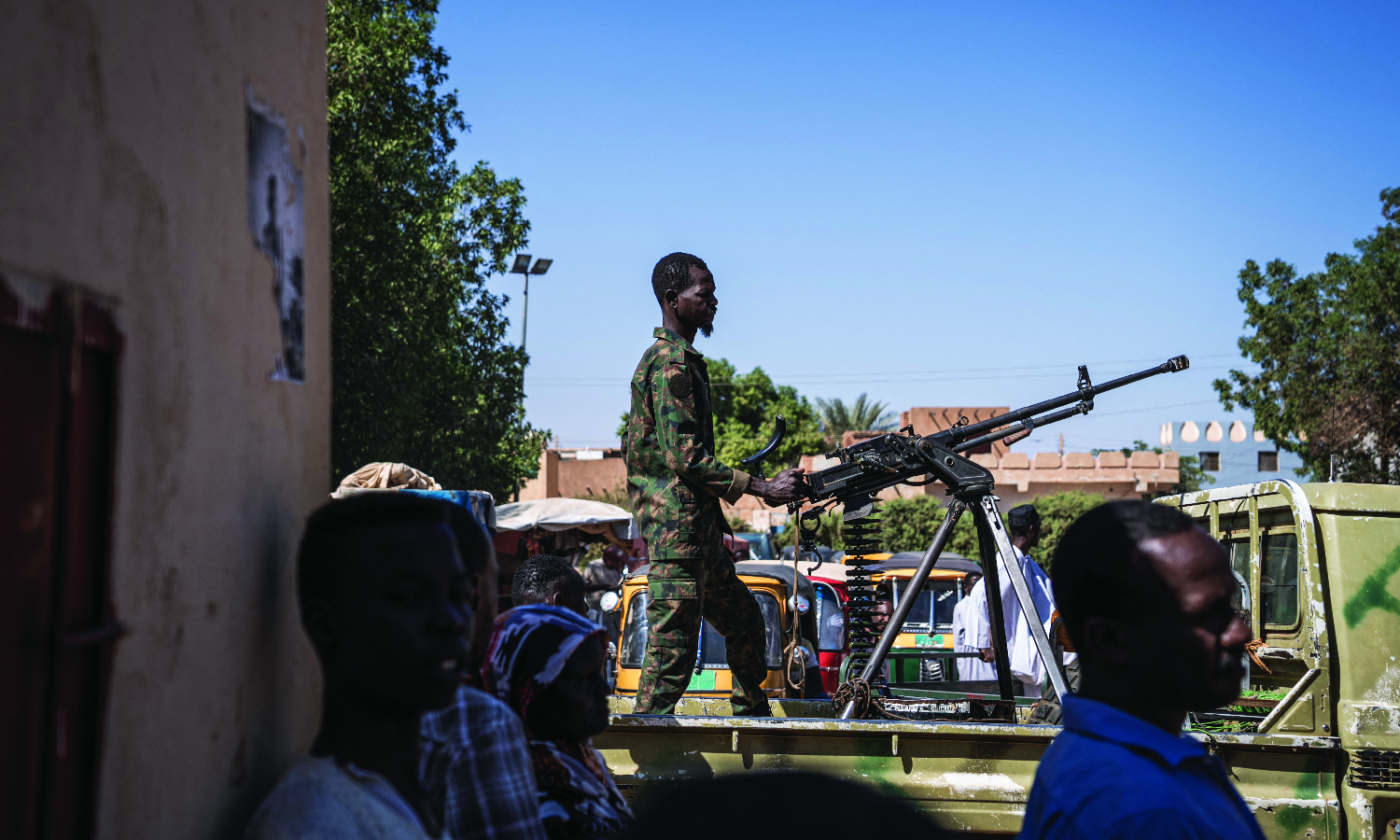
In 2019, Sudan’s military, allied with a large Sudanese militia known as the Rapid Support Forces (RSF) removed longtime President Omar al-Bashir from power. Mass protests of rising food prices—and nearly three decades of autocratic rule—motivated the coup. Afterward, the new military leadership agreed on a power-sharing arrangement that would transition the country to democratic civilian rule. In 2021, however, threatened by growing civilian control, the military initiated another coup. The head of Sudan’s military became the new de facto leader of Sudan. But tensions soon grew between him and the leader of the RSF over how to integrate the militia into the Sudanese military. Instead, the two military groups clashed on the streets of Sudan’s capital, Khartoum, in April 2023. Since then, violence has risen across the country as armed groups have begun killing civilians. Even before the fighting started, Sudan was far from a unified country. The former president had overseen decades of armed conflict both in Darfur to the west and in Sudan’s south. Those battles have continued amid the ongoing civil war as militaries once again engage in ethnic violence. Meanwhile, fourteen million Sudanese have fled their homes in what is now the world’s worst displacement crisis.
2. Cameroon: Civilian Leaders Refuse to Give Up Power
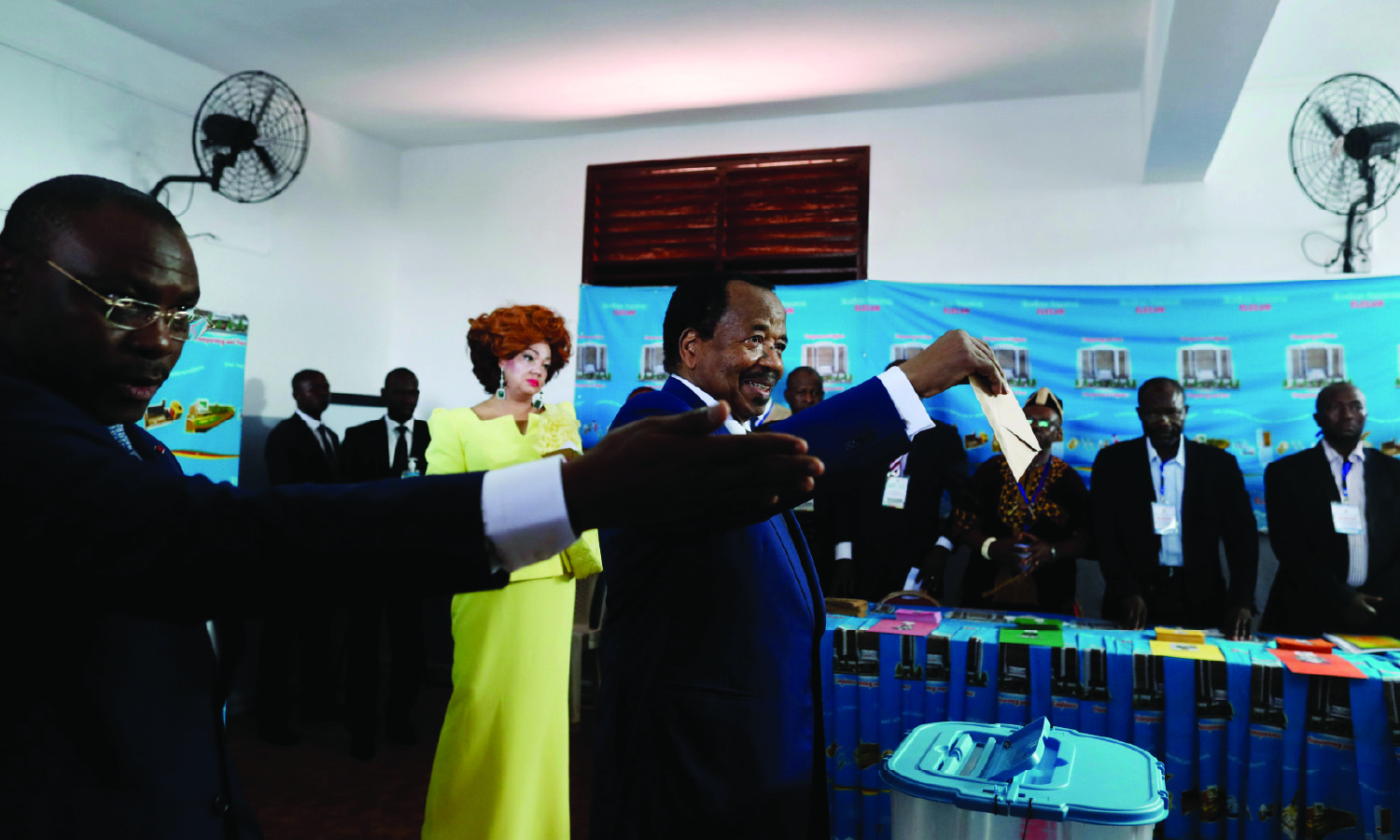
It’s not just militaries that hold onto power. Some leaders in sub-Saharan Africa maintain control by changing laws. That third-termism is not unique to sub-Saharan Africa, but it has been common throughout the region, as rulers—reluctant to cede power—amend term limits or ignore them altogether. In Cameroon, the president has held power since 1982. (In 2008, the government abolished term limits.) Although Cameroon holds elections, many believe the voting is fraudulent. They point to voter intimidation, ballot stuffing, and underrepresentation of opposing groups. Laws proclaiming to tackle corruption and terrorism have also been used to prosecute government opponents. Some have labeled Cameroon’s ruling system “electoral authoritarianism.” Conflict in Cameroon also influences election results. During the most recent presidential election, voter turnout was low because of fighting between government forces and rebel groups. Those rebel groups represent English-speaking parts of the country—Cameroon’s Anglophone minority—which have also boycotted elections. For nearly a decade, Anglophone rebel groups have clashed with Cameroon’s Francophone-dominated government, which controls not only the presidency but also the country’s senate. After more than forty years in power, Cameroon’s ruling party shows no sign of reform.
3. Senegal: Courts Uphold Democracy
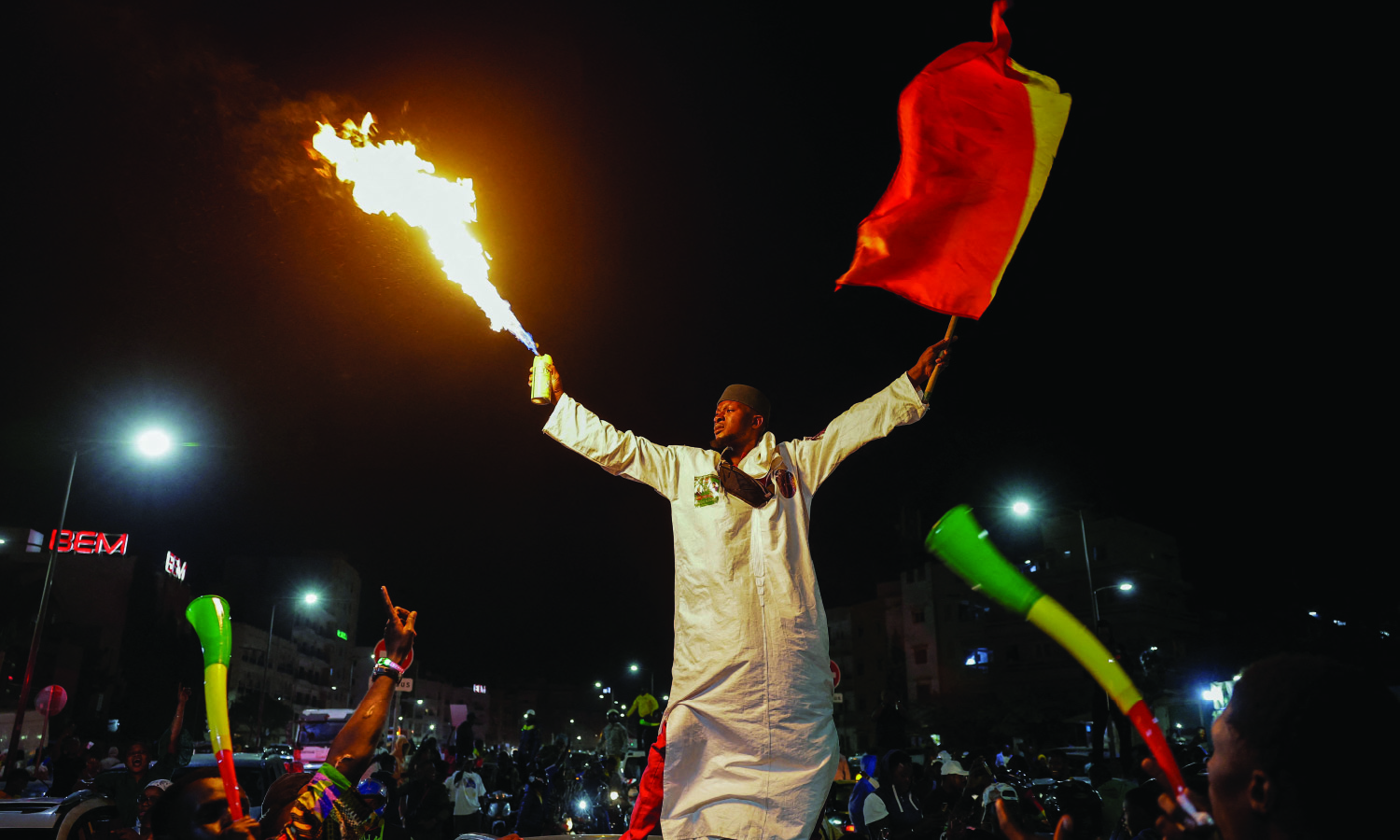
In early 2024, Senegal’s president decided to postpone the country’s next election. By law, he could not run for a third term. Nevertheless, by delaying the election, the president seemed to be illegally extending his term (though he himself had previously shortened Senegal’s presidential terms from seven years to five). His decision threw Senegal into a state of uncertainty. Many Senegalese people took to the streets in protest. In the end, Senegal’s constitutional court ruled against the president. Elections took place only a month late, and the opposition party won; the transition of power was lawful and peaceful. For over a decade, Senegalese politics have teetered between ongoing democratic reforms and resilient autocratic tendencies. Leading political parties have dissolved opposing parties, jailed opposition leaders on corruption charges, and restricted press freedoms and internet access. But Senegal also represents a new generation of voters, young people quick to protest such policies and to demand political and economic reform. Senegal’s recent elections, therefore, continue to show the country’s commitment to strengthening its democracy.
4. Ethiopia: Regional Groups Challenge Federal Authority
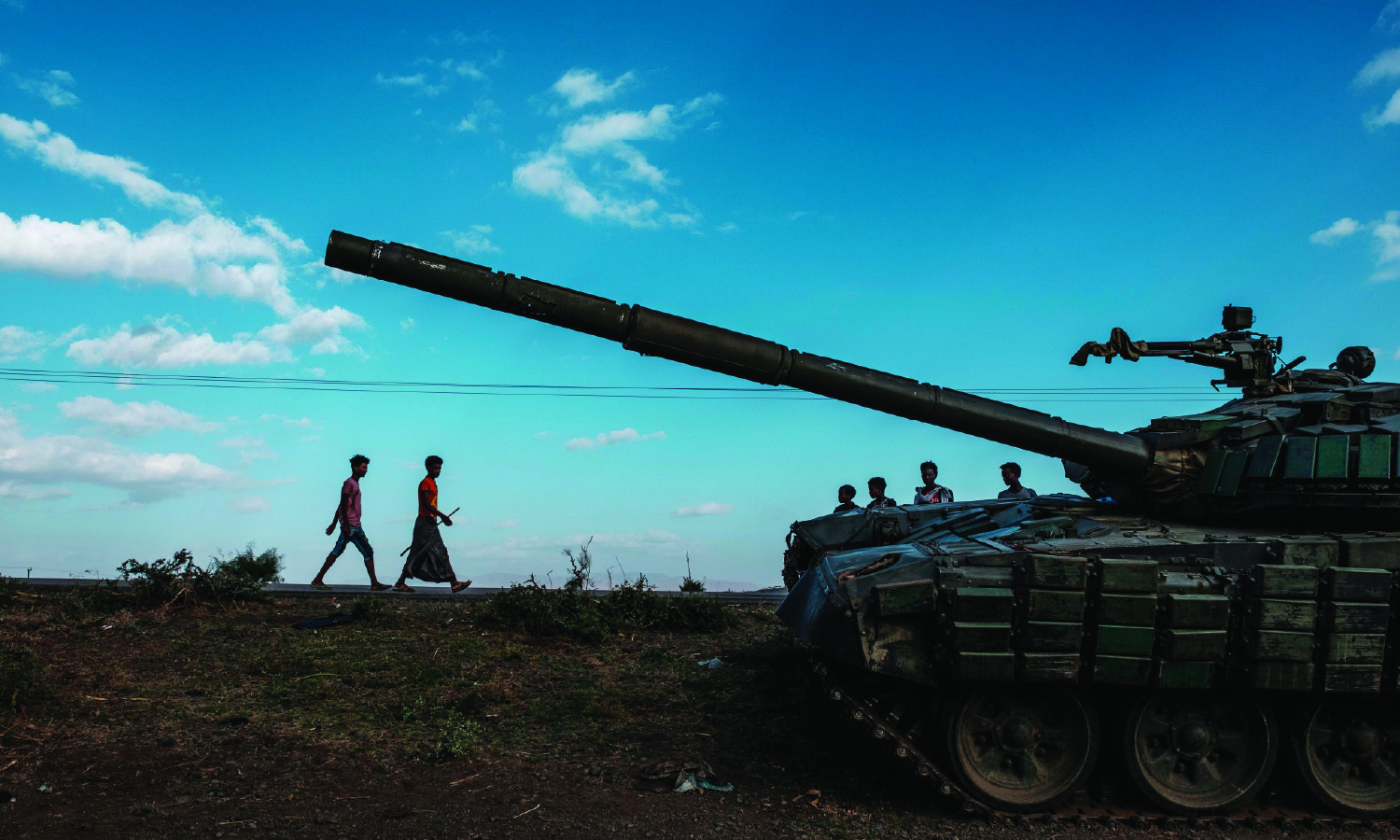
Like Sudan, Ethiopia has experienced decades of internal conflict between government forces and regional groups. In the country’s eastern Somali region, separatist forces have fought to break away from Ethiopia. Meanwhile, in the northern region of Tigray, one group has waged a deadly civil war against the federal government. Ethiopia's political system helps explain some of that fighting. Ethiopia is made up of ten regions controlled by various ethnic groups. Those regions form a federal system. For decades, a coalition led by the Tigray People’s Liberation Front (TPFL) ran the country. It gave each region autonomy but was also accused of repressing opposition. Anti-government protests led to the appointment of a new prime minister in 2018. But the TPFL refused to be part of that new reformist party. In 2020, Ethiopia voted to postpone elections due to COVID-19. The Tigrayan regional government saw that decision as illegitimate and held elections anyway. After Tigrayan forces took control of a military headquarters, the Ethiopian federal government sent in troops. Roughly six hundred thousand people were killed in the ensuing conflict. Although the fighting officially ended in 2022, conflict has since spread to neighboring regions.
5. Nigeria: Youth Demand Reform
After gaining independence in 1960, Nigeria initially established a democracy. That system quickly deteriorated in a series of coups. For decades after, the country was largely ruled by the military. In 1999, Nigeria restored its democracy, modeling it on the U.S. system of executive, legislative, and judicial branches; in 2024, it celebrated twenty-five years of uninterrupted democracy. But many Nigerians are dissatisfied with their political system. Election manipulation, corruption, and crackdowns on press freedom have all been common features of civic life. Meanwhile, many Nigerians haven’t seen their daily lives improve. Instead, governments have struggled to combat high inflation, unemployment, and rising living costs. Roughly 70 percent of Nigeria’s population is under age thirty. (Large youth populations are common across sub-Saharan Africa.) That means, for most people, the current democratic system—and its failures—is all they’ve known. Some have grown disillusioned with the country’s democracy: Nigeria’s 2023 presidential elections, for instance, saw record-low voter turnout of just 27 percent. Others are fighting to make changes. Mass protest movements—such as #EndSARS in 2020, which responded to police brutality, and the more recent #EndBadGovernance, sparked by the cost-of-living crisis—highlight growing frustration among young Nigerians. They also expose a pattern of government abuse, as those peaceful protests were met with violence and arrests. Many experts believe that Nigeria’s democracy now stands at a crossroads—between reforms and increased instability.
6. Rwanda: A World Leader in Women’s Representation
As of 2025, roughly 27 percent of global lawmakers are women. But in Rwanda, over 60 percent of the country’s lower parliamentary chamber—and over 50 percent of its senate—is female. (The U.S. Congress recently made history with 28 percent.) Why is Rwanda such a global outlier? In 1994, after years of ethnic tension, the ruling Hutu ethnic majority carried out a genocide against the minority Tutsi people, killing hundreds of thousands. The majority of those killed in the genocide were men. After the killing, Rwanda’s population was nearly 70 percent female. As a result, Rwanda’s new leadership promoted policies aimed at improving education and political representation for women. In 2003, for instance, Rwanda introduced a parliamentary quota—at least 30 percent of the governing body must be female. In most elections since, that number has been far exceeded. However, despite the country’s diverse lawmakers, a single party has held control for years. In fact, Rwanda has had the same president since 1994; in 2015, a constitutional reform allowed the president to serve a fourth and even fifth term. Still, Rwanda’s female-majority parliament makes it globally unique. Rwanda was ranked thirty-ninth in the World Economic Forum’s 2024 Global Gender Gap index. (The United States was ranked forty-third.)
7. Democratic Republic of Congo: Corruption Stymies Growth
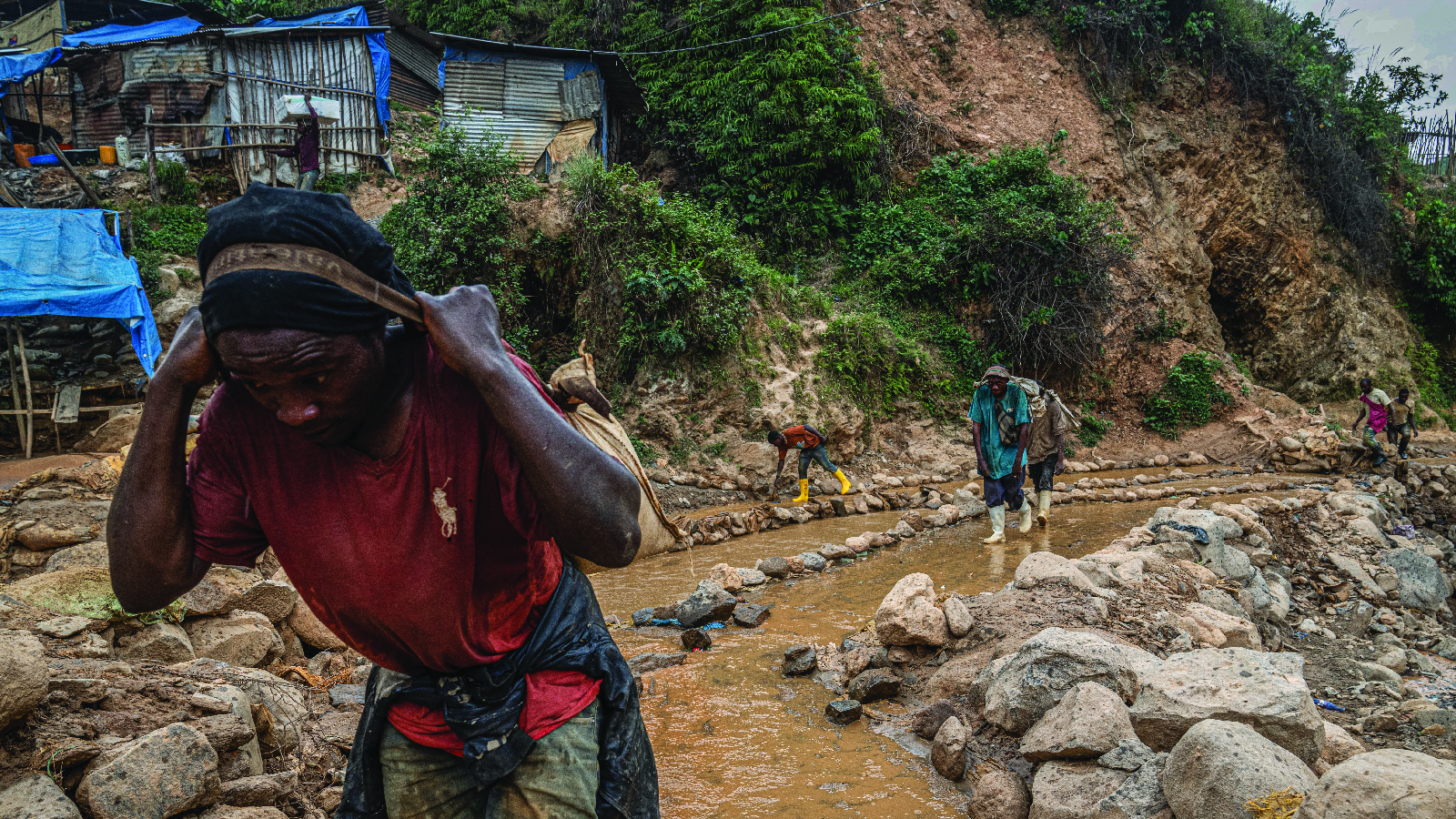
Democratic Republic of Congo (DRC) contains some of the largest mineral deposits in the world, including 70 percent of the world’s cobalt and 60 percent of the world’s lithium—two highly valuable minerals. DRC’s current president has promised to use the country’s resource wealth to turn DRC into “the Germany of Africa.” But despite the country’s vast mineral supply, Congolese people have seen little of that wealth. Why? Several factors—including the ongoing conflict between armed groups, the illegal smuggling of resources, and a lack of government control over many mining sites—have all contributed to economic losses. But there’s another reason for the country’s unequal distribution of wealth: corruption. On a local level, corruption takes the form of illegal taxes and bribes: a large majority of Congolese report having to pay bribes to public servants like police and water suppliers. At higher levels, corruption resembles a patronage system where business contracts are often given to those with powerful connections. The family of two former Congolese presidents, for instance, owns part or all of at least eighty companies. Meanwhile, state-owned mining companies have reportedly concealed earnings and illegally diverted revenue. Some experts describe the DRC’s government as a kleptocracy, one in which corrupt elites steal public funds for their own gain.
8. Mozambique: When An Election Is Contested
Across sub-Saharan Africa, one voting demographic dominates the electorate: young people. In Mozambique, over half the population is under the age of twenty. As in other African countries, many young Mozambicans are fed up with their country’s government—which has been ruled by the same party since 1994. And like other young people across the region, many Mozambicans were born long after independence.
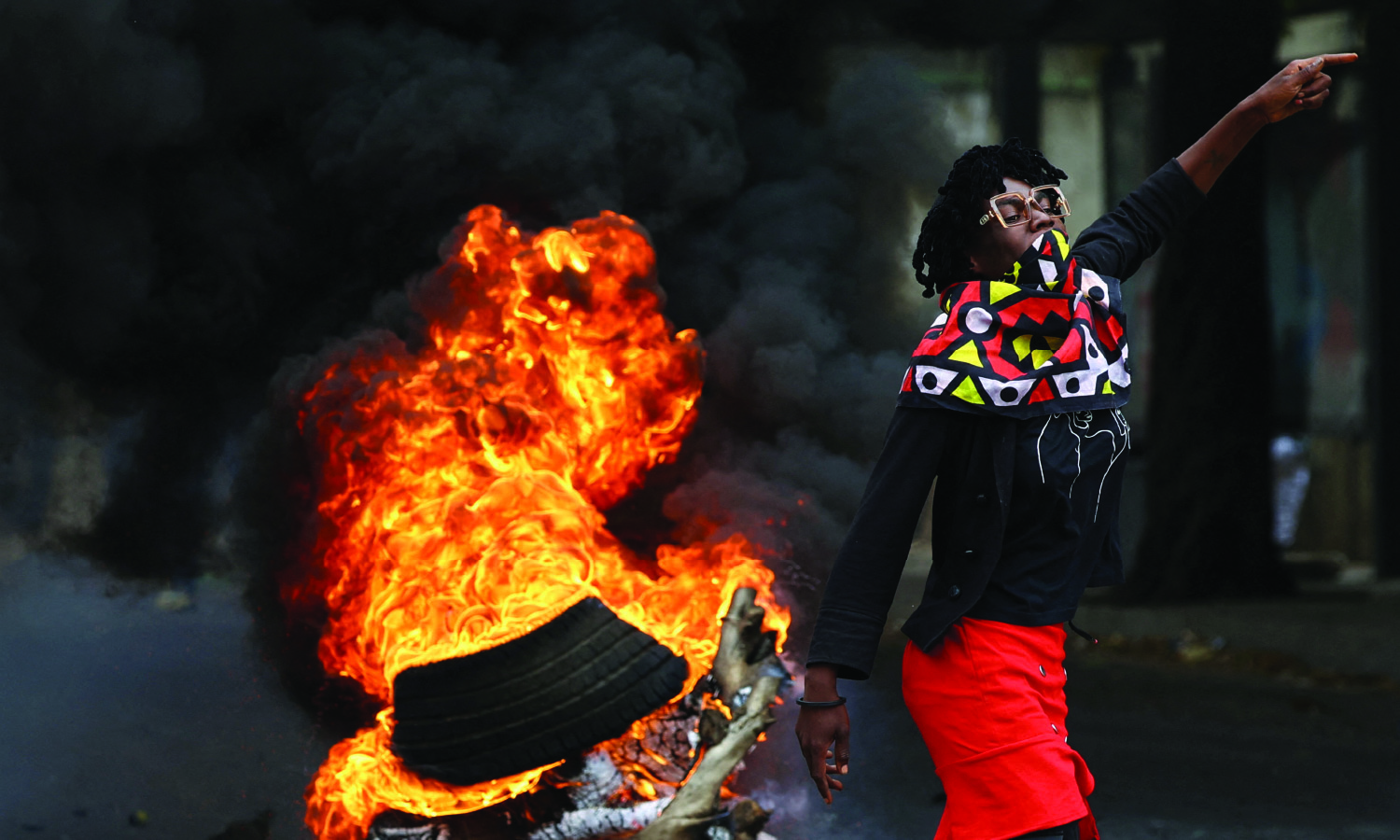
The nostalgia for early anti-colonial movements that came to dominate national politics is fading. In late 2024, a candidate from Mozambique’s long-ruling party once again declared victory in an election. However, many critics called the election fraudulent, including the leading opposition candidate. Supported by hundreds of thousands of young Mozambicans, he urged his followers to take to the streets. Over one hundred people were then shot and killed by security forces amid violent demonstrations. As in Nigeria and Kenya, which have also seen recent youth-led protests, young people in Mozambique are growing increasingly frustrated by a poor economy and corruption. Since the 2024 election, the government has continued its brutal crackdown on protestors.
9. Namibia: When the Ruling Party Wins
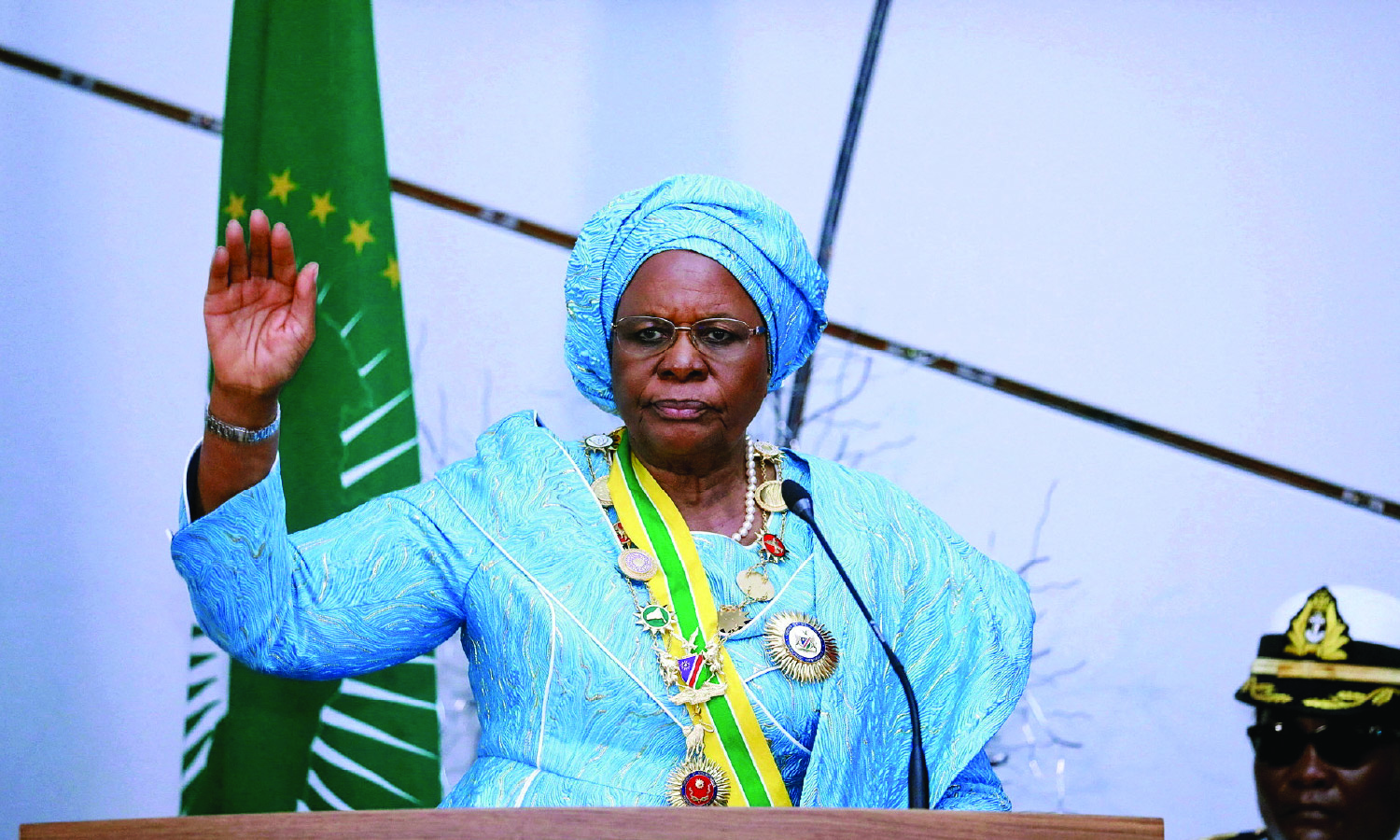
Namibia gained independence from apartheid South Africa in 1990. Since then, only one party has governed the country—the same story as in many other African countries. However, despite that one-party dominance, Namibia’s elections are generally fair. Although opposition parties are fragmented and lack some resources, they have gained ground. In 2019, the ruling party lost its two-thirds parliamentary majority. In the 2024 elections, there were fifteen presidential candidates and twenty-one parties competing for parliament seats. The election was closer than ever. The ruling party received even fewer parliamentary votes than in 2019—further signaling its weakening control. But the ruling party’s candidate won the presidency. Netumbo Nandi-Ndaitwah became Namibia’s first female president and Africa’s fifth elected female president. Despite the historic victory, Namibia’s ruling party continues to face large national challenges. Namibia is one of the world’s most unequal countries, even though it is rich with resources like uranium and diamonds. Poverty is high, as is youth unemployment. Housing shortages mean the country also needs to build half a million homes to meet demand. Although Namibia’s voters opted for continuity in 2024, the next election could see generational change.
10. South Africa: When the Ruling Party Loses
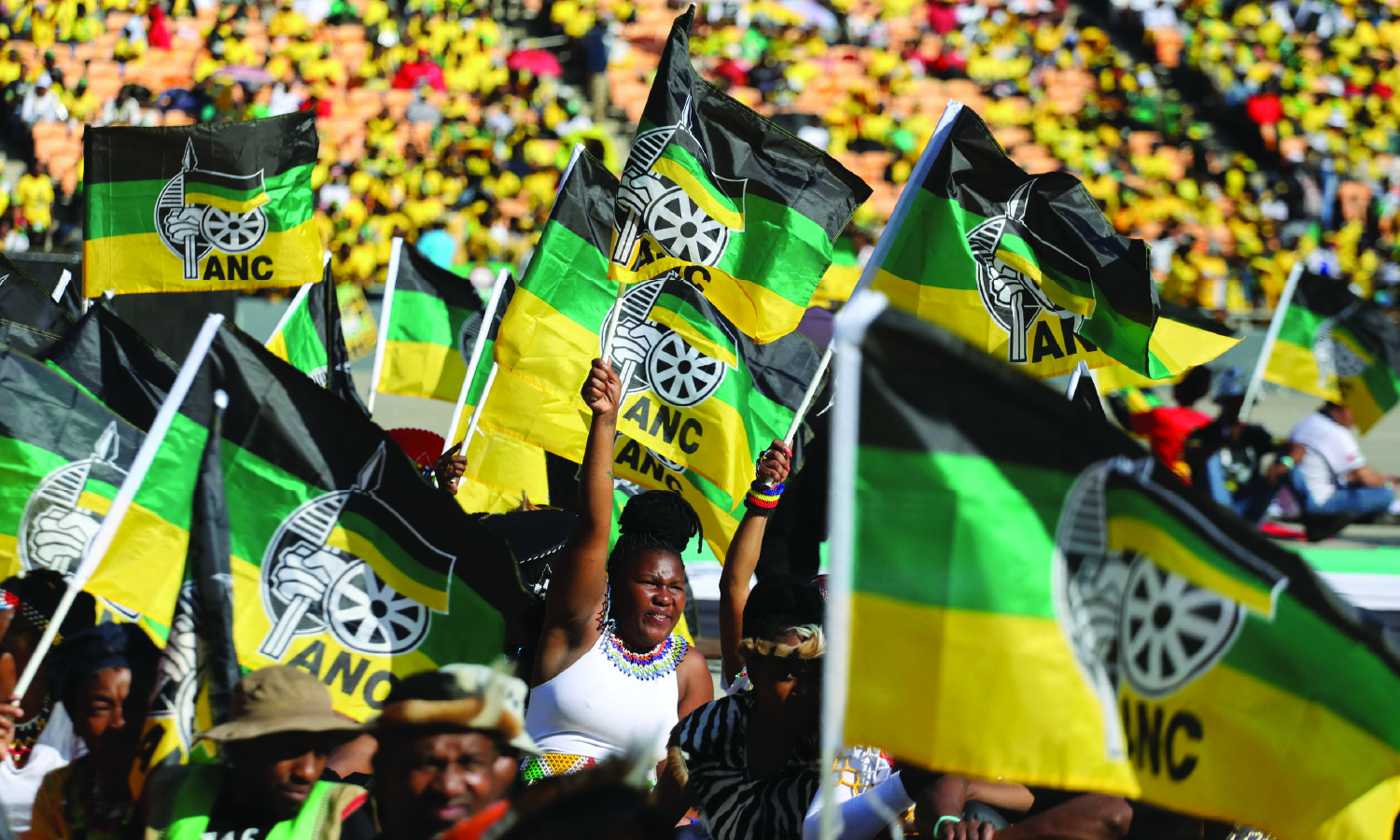
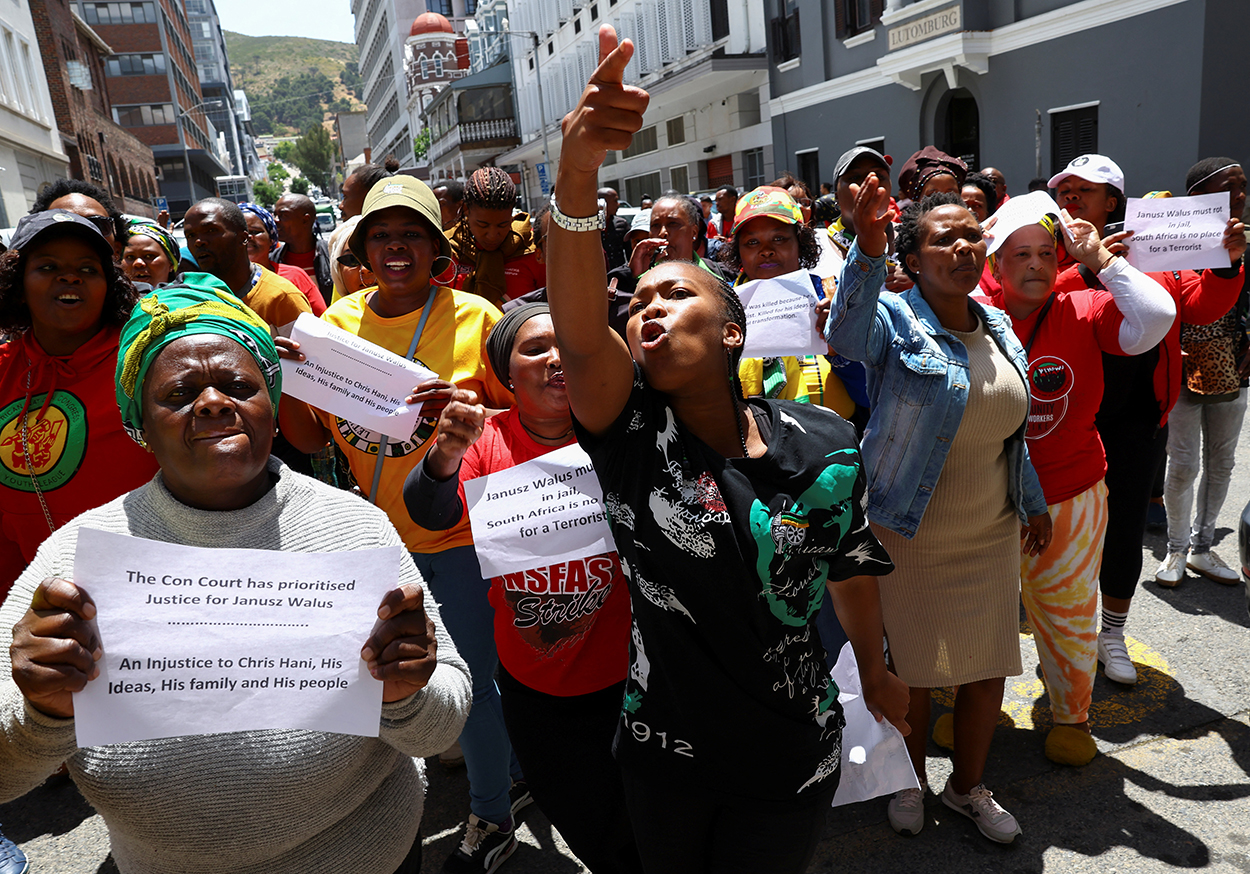
One of the best-known political parties in the region is the African National Congress (ANC). Formed in 1912 by Black South Africans, the ANC was banned from participating in politics in 1960 by South Africa’s white ruling party. Under renowned activist Nelson Mandela, the ANC led the fight against apartheid. ANC members were beaten, exiled, jailed, and assassinated but eventually emerged victorious, winning South Africa’s first democratic elections in 1994. Since then, reports of massive corruption by ANC leaders and persistent inequality within South Africa have eroded the party’s legitimacy. For a while, the ANC remained in power—in large part due to its historic status as the group that ended apartheid. However, in 2024 the ANC finally lost its majority. The party only won 40 percent of the vote. High unemployment, inequality, crime, and a failing infrastructure (especially water and power shortages) all led voters to lose faith in the ANC. As a result, the ANC had to form a coalition government with opposition parties. The election brought South Africa into a new era of national politics—one that could lead to compromise and reform but also risks political paralysis.