How Do Humanitarian Corridors, Cease-Fires, and Pauses Address Violence in Conflict?
When deadly conflict breaks out, what are different ways to respond to a humanitarian crisis, support life-saving relief, and lessen the loss of civilian lives?
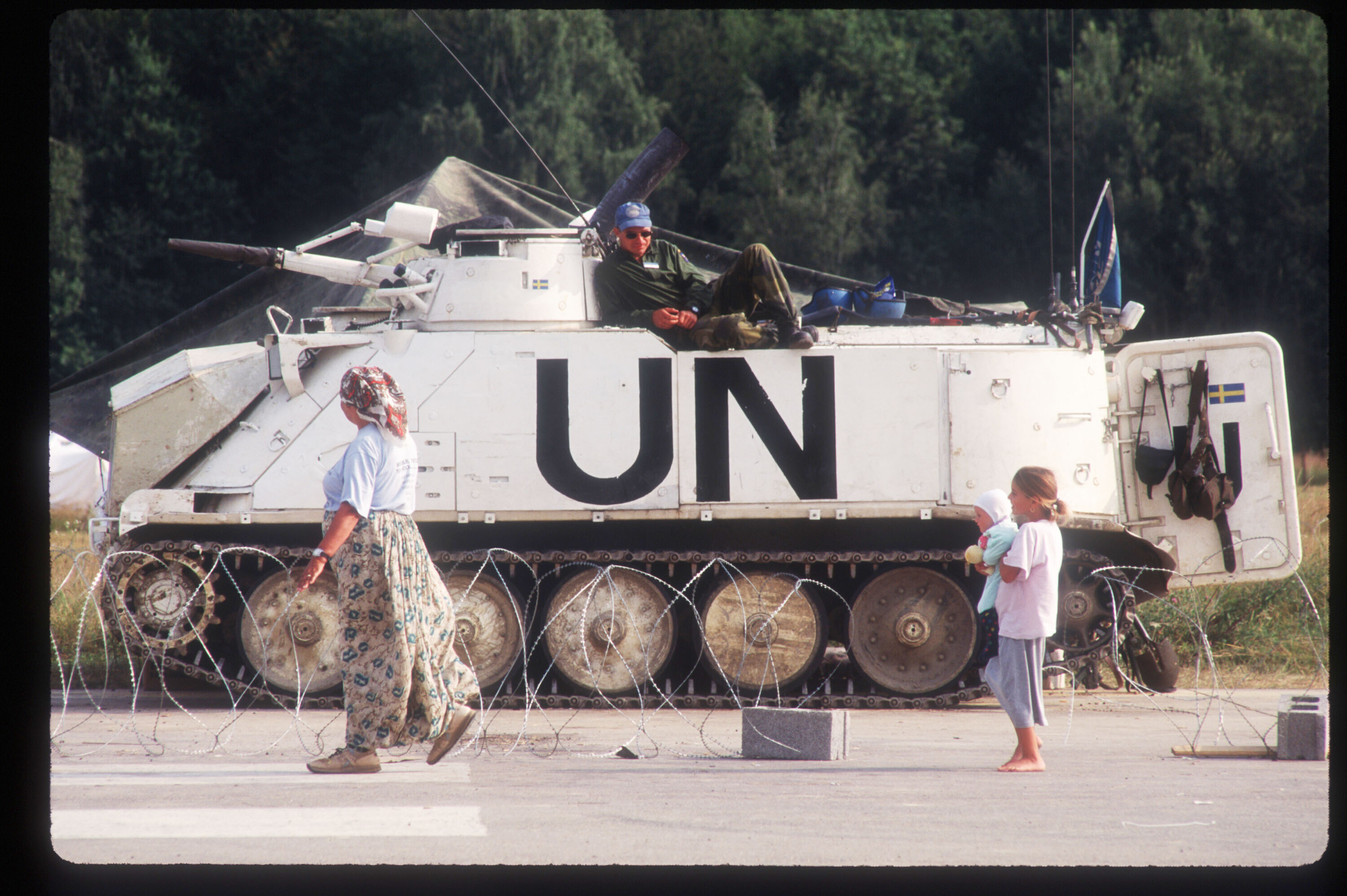
Although the absolute number of war deaths has declined since 1946, conflict and violence today are on the rise. According to the Armed Conflict Location & Event Data Project, political violence targeting civilians became not only more common but also more deadly in 2022. And, according to the United Nations, civilians account for approximately 90 percent of wartime casualties, and millions of people living in war zones are displaced by conflict.
In the face of deadly conflicts, leaders often call for warring parties to change their behavior for humanitarian reasons, especially to allow safe passage of civilians and aid. Those calls often arise alongside efforts to enforce international humanitarian law and the laws of war and to stem human suffering. Sometimes those efforts succeed in helping spare human lives, but they often face hurdles.
This resource examines different ways countries and international organizations provide relief and safety in areas of conflict.
What is a humanitarian corridor?
Humanitarian corridors are temporary safe passages established in specific geographic areas affected by armed conflict through agreements reached between conflicting parties (ICRC). Those safe passages’ intended objectives can vary depending on the context. In general, humanitarian corridors enable civilian movement during wars and conflict, evacuate wounded, sick, or deceased individuals, and facilitate the delivery of humanitarian aid.
What sets humanitarian corridors apart from other humanitarian interventions are their limited scope. Not only are they temporary in nature, being open and closed for a defined period, but they also operate within constrained, narrow spaces where only impartial humanitarian actors like the International Committee of Red Cross are allowed to provide assistance. The benefits of those temporary measures are that they can quickly deliver resources to those in desperate positions.
The Geneva Conventions of 1949 laid down protocols to ensure civilians’ access to critical goods such as medicine during times of war. But the United Nations did not pass a resolution formally recognizing the concept of relief corridors (another term for humanitarian corridors) for strictly humanitarian purposes until 1990.
The most important factor in establishing an effective humanitarian corridor is for all parties to a conflict to implement security guarantees for those using the corridor. Without those assurances, certain parties can exploit humanitarian corridors to inflict further harm on the vulnerable civilians the corridors aim to assist.
What is a cease-fire?
A cease-fire is an agreement to suspend fighting made by parties to a conflict (UN). Sometimes also understood as a formal truce, a cease-fire stops military activity in a given area for a given amount of time. Still, a cease-fire does not mean war is over. Hostilities may restart if negotiations between parties do not result in a peace agreement.
While there is no universal definition for a cease-fire, these formal truce agreements often include objectives, timelines, and monitoring mechanisms in an effort to end hostilities. Security guarantees, or commitments to refrain from military action, often accompany cease-fires and diplomatic negotiations. They are usually enforced with the help of third parties, such as the effort to end hostilities. Cease-fire agreements are specific to the context of hostilities (e.g., the political and economic situation of the fighting parties) and the international context (e.g., international humanitarian organizations pressuring parties to stop military activity).
What is a humanitarian pause?
A humanitarian pause is similar to a cease-fire. However, a pause halts violence in the short-term for the distribution of humanitarian aid. Unlike a cease-fire, which more often enables dialogue between conflict parties or even steps toward a peace agreement, a pause focuses purely on humanitarian relief.
Humanitarian pauses often pertain to a certain area within hostilities and facilitate a specific humanitarian action. Pauses can allow individuals to flee to safety or needed aid to come through.
Cease-fires, humanitarian corridors, and humanitarian pauses through history
Humanitarian Relief in Bosnia: A Tenuous History
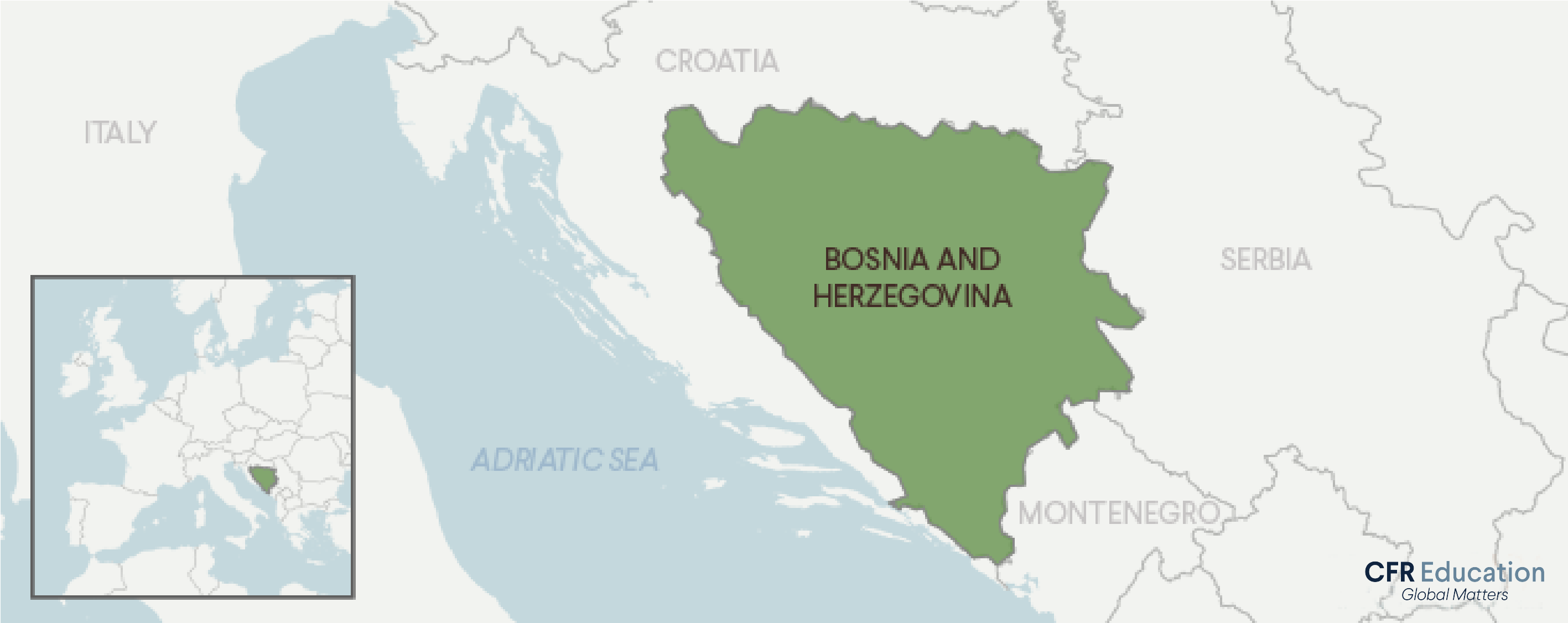
In 1993, the United Nations established six humanitarian corridors in Bosnia and Herzegovina during the Bosnian War. Those UN safe areas included Srebrenica, Sarajevo, Žepa, Goražde, Tuzla, and Bihać and were placed under the protection of UN peacekeeping units. However, the creation of those safe zones revealed the inherent risks of establishing such zones without the consent and cooperation of all conflicting parties. The corridors’ rejection by Bosnian Serb forces, coupled with the lack of clarity in UN resolutions about protecting those safe areas, ultimately resulted in the areas’ failure to protect civilians from continuous attacks. In 1995, Srebrenica and Žepa were captured by Bosnian Serb forces, leading to atrocities that caused thousands of deaths and disappearances.
Humanitarian Relief in Nagorno-Karabakh and Armenia: A Prolonged Corridor
In November 2020, the cease-fire agreement ending the Second Karabakh War involving Azerbaijan, Armenia, and other parties included a crucial provision: safe passage along the Lachin Corridor, a route linking Nagorno-Karabakh—most specifically, the Republic of Artsakh, the self-governed Armenians in the region—and Armenia. As part of a trilateral armistice involving Armenia, Azerbaijan, and Russia, Russian peacekeeping forces were responsible for overseeing traffic through this corridor until 2025. Despite this agreement, increased militarization, tensions, and cease-fire violations occurred periodically.
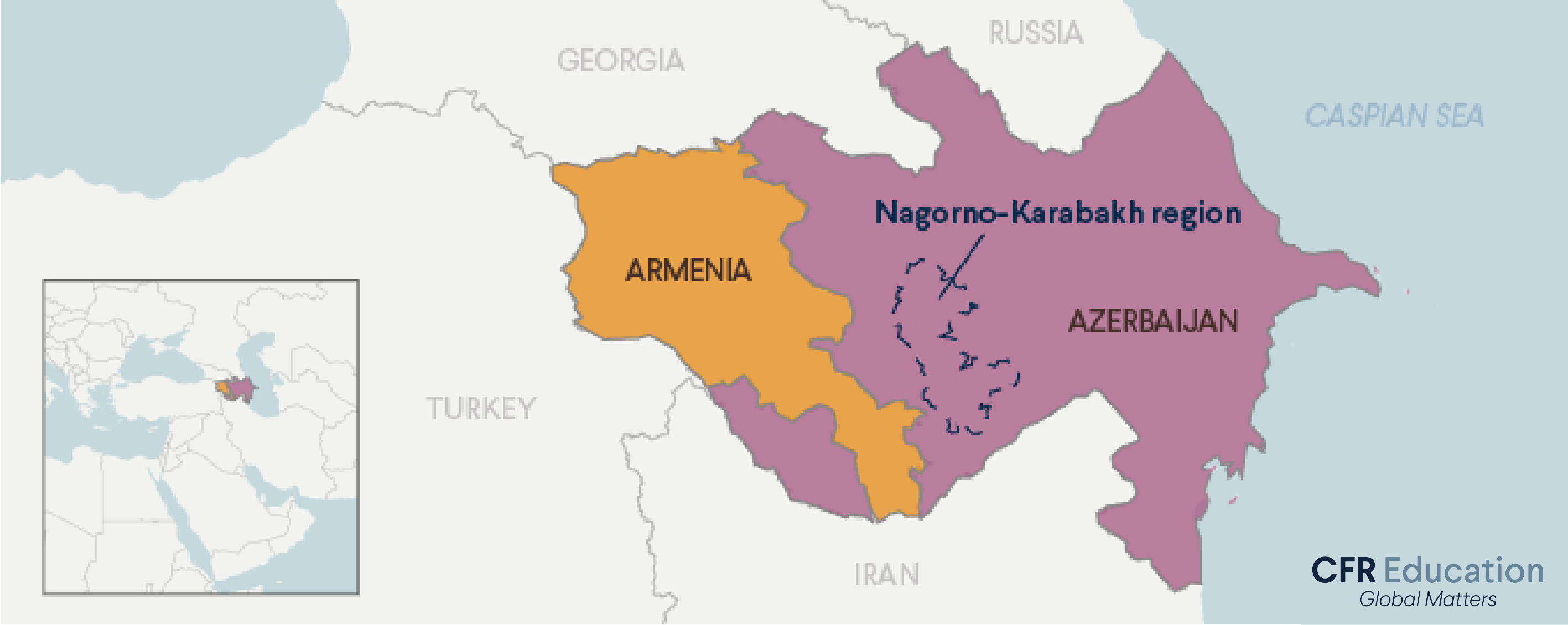
Beginning in December 2022, Azerbaijan effectively blocked the corridor with Russian peacekeepers unable or unwilling to reopen the route. The blockade triggered a humanitarian crisis for the region’s 120,000 residents, cutting off essential supplies like food, medical resources, and humanitarian aid. On September 19, 2023, Azerbaijan initiated a deadly military operation that resulted in the region’s takeover and, in effect, dissolution of the Republic of Artsakh. Experts and Armenian officials accused Azerbaijan of ethnic cleansing of the region’s Armenian population. By early October, one hundred thousand, nearly the entire Armenian population, fled to Armenia in a mass exodus.
In August 2025, Armenia and Azerbaijan signed a U.S.-brokered peace agreement. However, significant obstacles remain, including Azerbaijan's refusal to guarantee the right of return for displaced Armenians and ongoing disputes over the detention and prosecution of former Nagorno-Karabakh officials.
The Nagorno-Karabakh case illustrates both the fragility of corridor-based protections and the long, uncertain road from cease-fire to lasting peace.
Humanitarian Relief in Sudan: Relief Wanes as Peace Talks Stall
Sudan is currently grappling with one of the world’s worst humanitarian crises, resulting from a civil war that erupted on April 15, 2023. The conflict involves the Sudanese Armed Forces and the Rapid Support Forces, who were former allies in overthrowing dictator Omar al-Bashir in 2019 and orchestrating a military coup in 2021. The consequences have been dire, with approximately 5.8 million people displaced. This conflict further aggravates the already-fragile human rights situation in which over 15 million individuals were experiencing food insecurity prior to conflict.
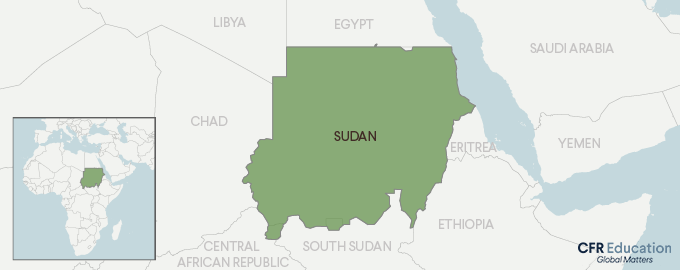
Despite diplomatic efforts by the United States and Saudi Arabia, as well as cease-fire and peace plans proposed by the African Union and other regional blocs, peace talks have been unsuccessful. There have been at least sixteen failed cease-fires. Still, in June 2023, the World Food Programme and the Egyptian government established a humanitarian corridor between Aswan, Egypt, and Wadi Halfa, Sudan, which was used by UN agencies and other humanitarian organizations to deliver critical food and nutrition assistance to people affected by the conflict. And in July 2023, an Egypt-led conference among Sudan's seven neighbors endorsed an initiative to expand humanitarian access and pursue a lasting cease-fire, though those commitments have not been fulfilled. While these efforts provided some humanitarian relief, they have fallen far short of resolving the ongoing conflict.
Lessons from imperfect tools: the limits and potential of humanitarian efforts to halt violence
When humanitarian corridors aim primarily to evacuate individuals from conflict zones, their value to those unable to leave (due to factors like age, disability, or illness), or those who choose not to leave, becomes limited. Even when individuals are willing and able to evacuate, the question of where they will be relocated as refugees becomes a critical consideration. For instance, during the 1990–1991Gulf War, from, Iraqi Kurds fleeing northern Iraq for Turkey were denied asylum despite the UN High Commissioner for Refugees’ appeals to open Turkish borders. As a result, more than a thousand refugees stranded in the frigid mountainous border area lost their lives.
Furthermore, parties can exploit civilian movement through those corridors to carry out strategic mass demographic changes. This has been seen in the conflict in Ukraine, where the Russian government offered to establish humanitarian corridors from Ukraine to Russia and its close ally, Belarus. And, if all conflicting parties do not provide security guarantees, humanitarian corridors can become targets, putting civilians at risk.
Despite limitations, humanitarian corridors remain vital for aiding civilians threatened by conflicts, as exemplified by Ethiopia. In the Tigray region, millions of people endured a government blockade for months. Only in November 2022 were humanitarian corridors reopened, ultimately saving lives.
Humanitarian corridors remain a subject of debate in ongoing violent conflicts. In the war between Israel and Hamas, for example, countries across the world called for cease-fires, humanitarian corridors, and pauses in fighting, though relevant parties frequently disagreed on the best approach. Meanwhile, across the globe, humanitarian concerns in active conflict zones continue to mount, and questions persist over how to effectively negotiate and enforce relief efforts.
Teach today's most pressing issues.
FrequencyWeekly