Regional Politics: Sub-Saharan Africa
From climate change to Chinese development, learn about ten issues and relationships defining the region.
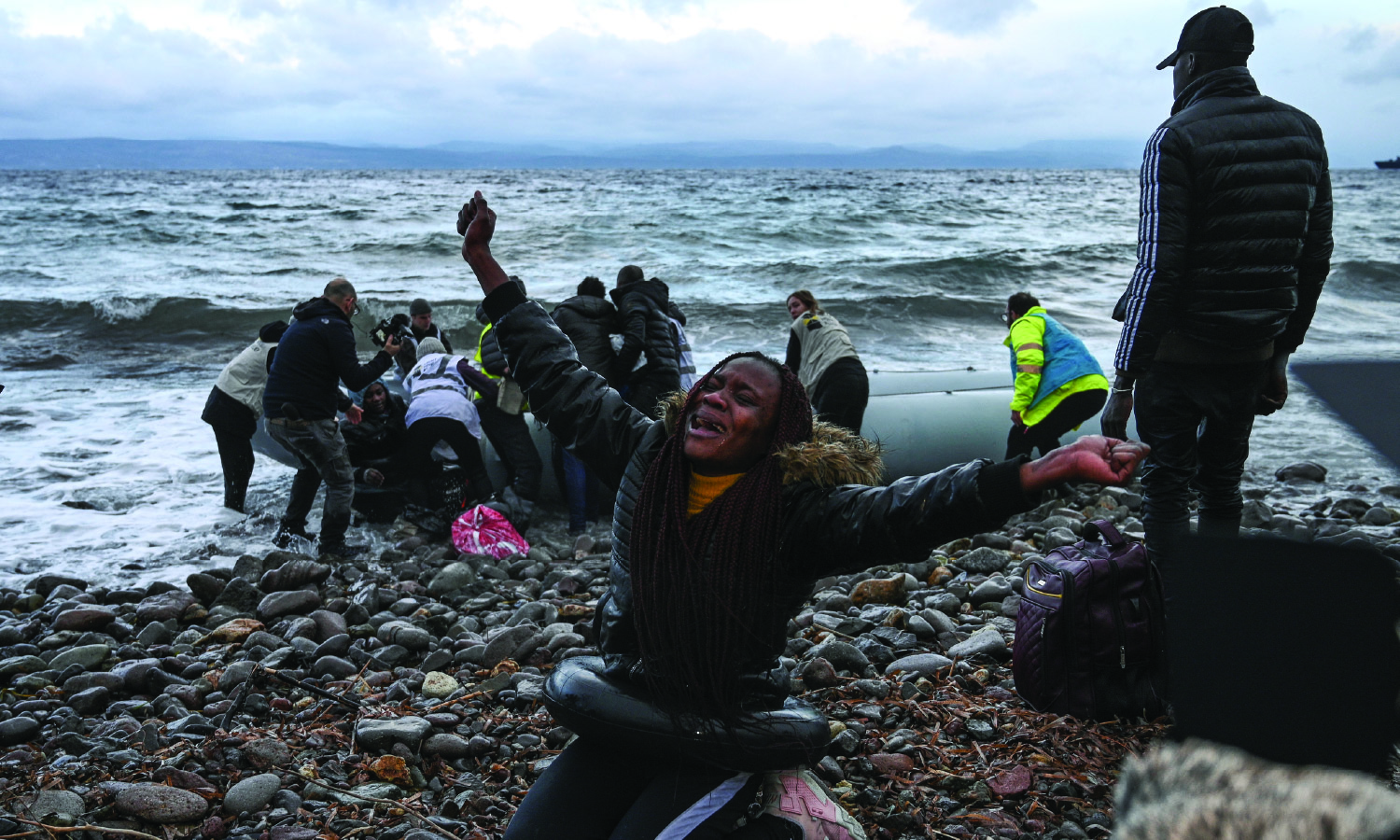
Regional issues in sub-Saharan Africa don’t always make world headlines as they do in Asia or the Middle East. But events in the region have global consequences.
Sub-Saharan African countries hold roughly 25 percent of the seats in the UN General Assembly, making the region’s voice important on global issues such as climate change and drug trafficking. What’s more, a large and rapidly growing population, vast natural resource reserves, and economic potential all position sub-Saharan Africa to play a greater future role in geopolitics.
Today, however, the region faces serious challenges that temper many countries’ ability to project power. Relatively low economic performance, civil wars, and climate change continue to force large numbers of people to flee their homes as refugees and migrants.
Those challenges will also touch the rest of the world.
Consider migration alone, which has already affected other regions. Displaced by violent conflict and persecution—or seeking economic opportunity—many refugees and migrants from Ghana, Nigeria, Senegal, Somalia, and elsewhere have fled to European Union (EU) countries, like Norway and Switzerland. The swell of refugees has had political and cultural effects in many recipient countries, changing norms and voting trends.
Whether sub-Saharan countries can cooperate to address those challenges through institutions such as the African Union (AU)—and whether economic powers like the United States, China, and the EU will invest in them—will greatly affect the region’s future.
What else defines sub-Saharan geopolitics?
Here are ten organizations, tensions, and developments that continue to drive events across the region.
1. The African Union (AU): From Regional to Global Importance
Countries in sub-Saharan Africa are united by the African Union. The AU grew out of an earlier group, the Organization of African Unity, which was formed in the 1960s against the backdrop of decolonization. Its driving philosophy was Pan-Africanism, which promotes African unity and solidarity while fighting colonization and apartheid. In 2002, African leaders decided to reorganize. They formed the African Union. The new focus would be less on decolonization and more on African economic integration and development. Today, every country in Africa is a member, making the AU an important forum for cooperation and diplomacy across the continent. However, despite some notable successes in human rights promotion and trade integration, the AU struggles to effectively coordinate regional policy, especially in areas such as corruption and conflict resolution. Between 2021 and 2023, for example, 93 percent of AU decisions were not implemented by member states. That is in part because the AU’s structure does not allow it to make legally binding policies. Despite the AU’s challenges, many leaders in Africa and worldwide still recognize the organization as an important tool to amplify African voices—especially on issues like inequality and climate change. In 2023, the AU became a permanent member of the Group of Twenty, a global organization comprising 19 countries and the European Union.

2. The Economic Community of West African States (ECOWAS): A Shrinking Mediator
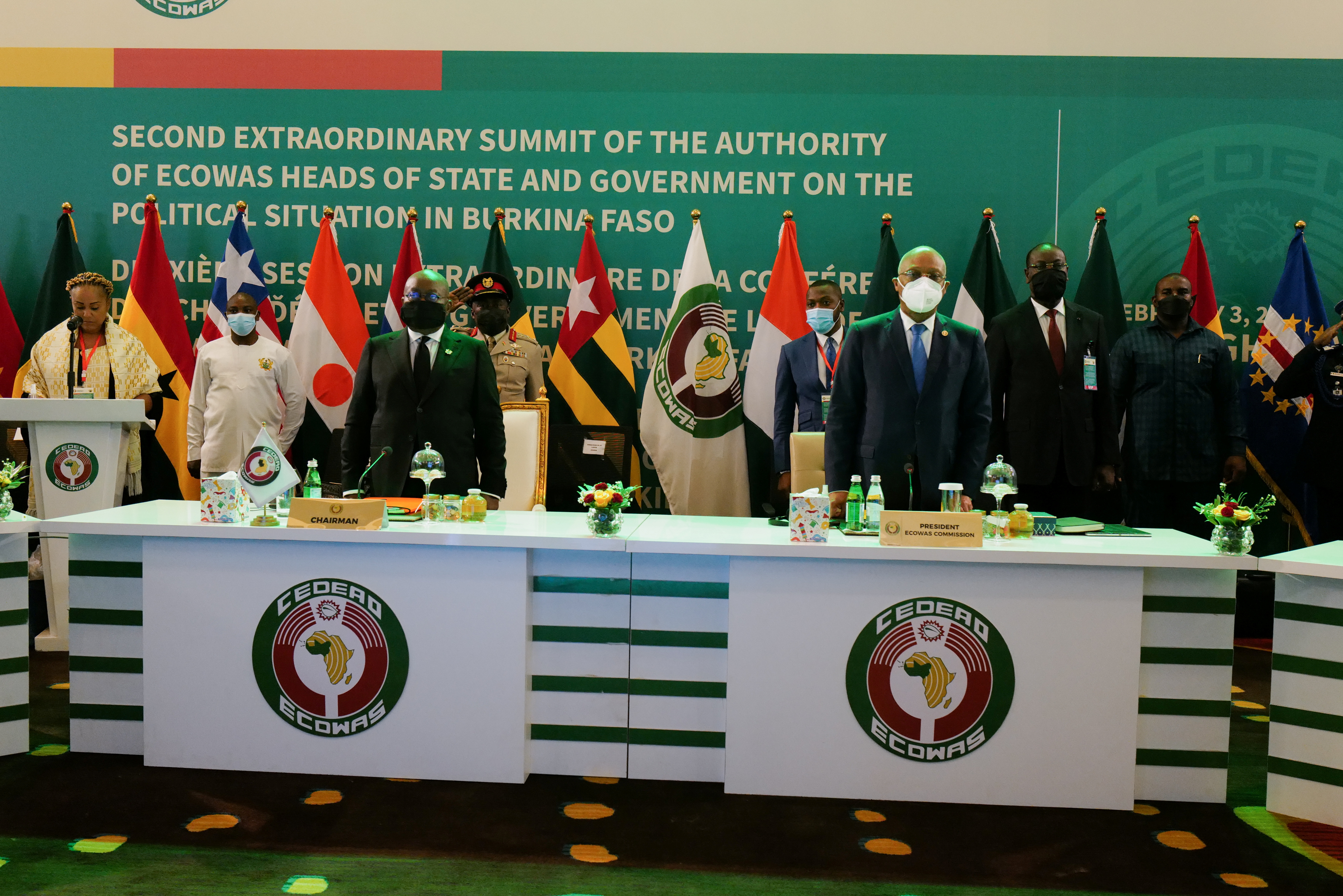
While the AU can be sluggish, smaller regional groups have had a better track record of preventing conflict and encouraging cooperation. Perhaps the most effective is the Economic Community of West African States (ECOWAS). The organization was formed in 1975 and includes fifteen West African countries as its members. ECOWAS has linked major cities in the region with roads, established the free movement of people and goods, and built a communication network. The organization has also played an important political role by using military, political, and economic pressure to influence local behavior—for example, it has called for an end to third-termism. Recently, ECOWAS has faced a serious challenge from its own members. In 2024, Burkina Faso, Mali, and Niger—three founding members—announced their decision to leave the bloc. All three countries have experienced recent military coups. All three were sanctioned by ECOWAS. All three, unhappy with that growing isolation, accused ECOWAS of betraying its mission and failing to help fight Islamist insurgencies. Now, the three countries have formed a new bloc, the Alliance of Sahel States.
3. The Sahel: Extremism Fuels Instability
Burkina Faso, Mali, and Niger are all part of a geographical belt that stretches across North Africa: the Sahel. The arid Sahel extends through ten countries and has been the site of growing conflict. Since the early 2000s, violent extremist groups such as al-Qaeda, the self-declared Islamic State, and their affiliates have expanded in the Sahel. Poverty and government corruption have helped them gain traction.
Against that backdrop of instability, countries in the Sahel have experienced a string of military coups. Those coups have isolated countries from regional partners like ECOWAS and have caused tension with outside development partners, like the European Union. One particularly violent subregion of the Sahel includes the tri-border area of Burkina Faso, Mali, and Niger—three countries that have experienced military coups in recent years. There, violent extremists have attacked government forces, civilians, and even UN peacekeepers. Meanwhile, government security forces have been accused of targeting civilians in their efforts to combat extremists. As of late 2024, the fighting had displaced three million people in the subregion. Outside countries like Russia (through its state-funded private military organization known as the Wagner Group, or Africa Corps) have also been accused of using that instability to spread their influence.

4. Lake Chad: Climate Change Causes Instability
Another large factor in the Sahel’s instability is climate change. In fact, climate change is one of the largest challenges facing Africa. The Sahel region offers a grim preview of what the future might hold: mass migration, wars over water and other limited resources, famine, and political instability. In the Lake Chad subregion of the Sahel (Cameroon, Chad, Niger, and Nigeria), many of those events are already occurring. Lake Chad supports nearly thirty million people in those countries—but the lake has shrunk by 90 percent in the past sixty years, displacing nearly three million. In some cases, displacement causes water insecurity. Refugee camps put stress on local water resources, and women forced to use remote, isolated wells are exposed to gender violence. Water scarcity has already increased conflict between herders and farmers near Lake Chad—and climate events are expected to worsen tensions throughout the Sahel. The region’s temperatures are also rising 1.5 times faster than the global average. Rainfall is becoming more variable, with too much rain leading to floods and crop loss. Experts expect famine conditions, water scarcity, and conflict to further destabilize countries in the Sahel.
5. The Horn of Africa: Fraught Relationships
As in the Sahel, Africa’s horn faces instability caused by climate change and terrorism. Although the region has no direct equivalent to West Africa’s ECOWAS, several countries have tried to collaborate on shared issues. For instance, Egypt, Eritrea, Ethiopia, and Somalia have all pledged to fight Islamist insurgency. But the countries have no formal alliance; in fact, relations have at times grown strained. Ethiopia, especially, has been a point of regional tensions. Egypt has long opposed Ethiopia’s construction of a hydroelectric dam. The dam was built on the Nile River, which flows through Ethiopia into Egypt. Egypt fears that the dam could disrupt its water supply. Eritrea and Ethiopia also have a tense recent history, following a war between them in the border region. And then there is Ethiopia’s fraught relationship with Somalia. Ethiopia is landlocked and does not have direct access to the Gulf of Aden and the Red Sea. So, in early 2024, to access a port and military base, it recognized Somaliland—a self-declared republic that Somalia sees as its own. However, in early 2025, Somalia and Ethiopia agreed to restore relations, a hopeful sign for regional cooperation.

6. The Great Lakes: Bitter Rivals and New Partners
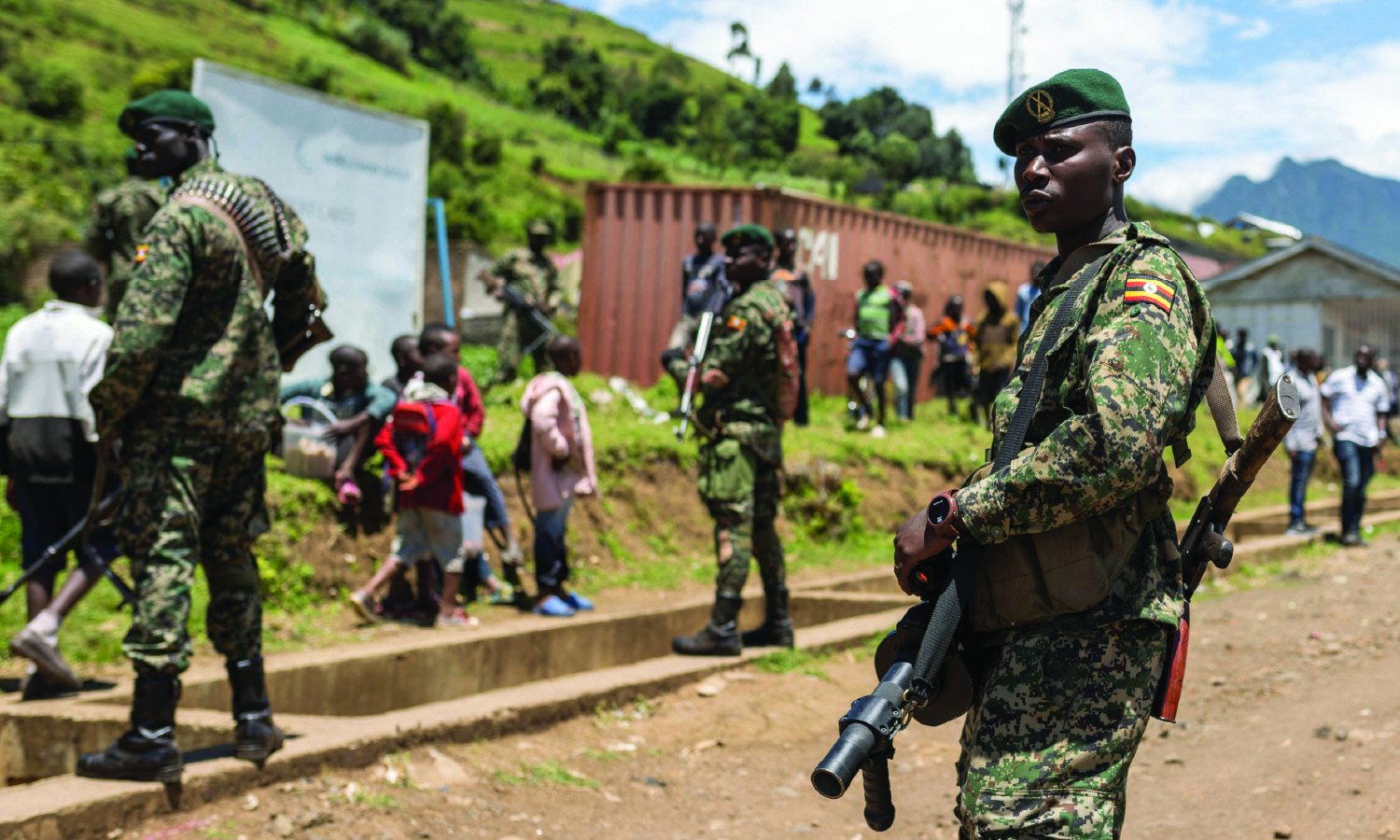
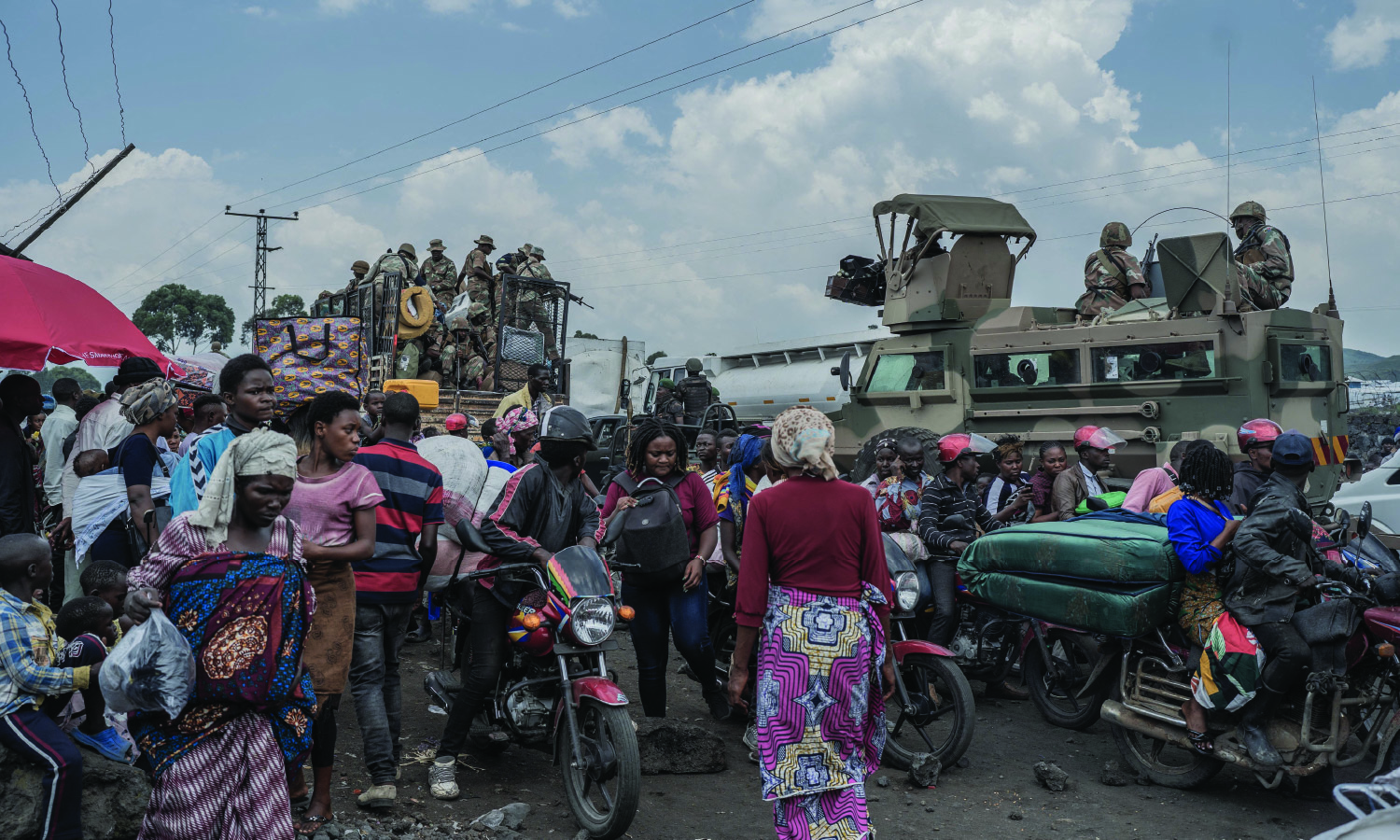
Further south in Africa’s Great Lakes region—which includes Democratic Republic of Congo (DRC), Burundi, Rwanda, and Uganda—tensions among neighbors are even higher. DRC, for instance, has been the site of conflict involving both Burundi and Rwanda, as well as other African states. Rwanda has long supported and armed a rebel military group fighting in eastern DRC. The Congolese military, on the other hand, has fought alongside soldiers from Burundi to push back those rebels. Burundi is also fighting against groups in DRC that it labels as terrorists. And in northern DRC, Congolese soldiers have fought with the Ugandan military against another armed group. Another section of the Great Lakes area, however—Lake Victoria, which connects Kenya, Uganda, and Tanzania—has seen closer cooperation. Since the 1960s, those three countries have sought regional integration. In 1999, they signed a treaty forming what is now the East Africa Community (EAC). The EAC includes countries across the Great Lakes, including DRC, Burundi, and Rwanda. It promotes closer economic, political, and cultural connection among its members. In recent years, the group has addressed security issues as well. In 2022, the EAC deployed regional troops to DRC—the first time the organization used its forces.
7. The Southern African Development Community (SADC): Has It Done Enough?
The Southern African Development Community (SADC) grew out of an earlier organization designed to foster regional cooperation—and to put pressure on South Africa’s apartheid government. When apartheid collapsed in 1990, and international sanctions lifted, the region saw new trade opportunities. SADC soon sought greater economic prosperity and development. Today, sixteen countries make up the SADC. Of the group, South Africa, which joined in 1994, is the largest exporter—accounting for nearly half of all exports. SADC’s exports include oil, gold, coal, and diamonds. Its largest trading partners are China, India, the United Arab Emirates, and the United States. Outside of trade, SADC also works on defense and security. But the organization has been criticized for its lack of response to conflict in the region. Unlike ECOWAS, which has intervened in places like Mali to confront Islamist rebels, SADC has been absent from recent violence in member states like DRC and Mozambique. SADC has also been criticized for legitimizing flawed elections in the region. Many experts blame the group’s shortcomings on a culture of solidarity among former liberation movements that share a common history of fighting colonial rule. As a result, countries shield fellow members from interference.
8. Russia and Sub-Saharan Africa: Friends with Guns
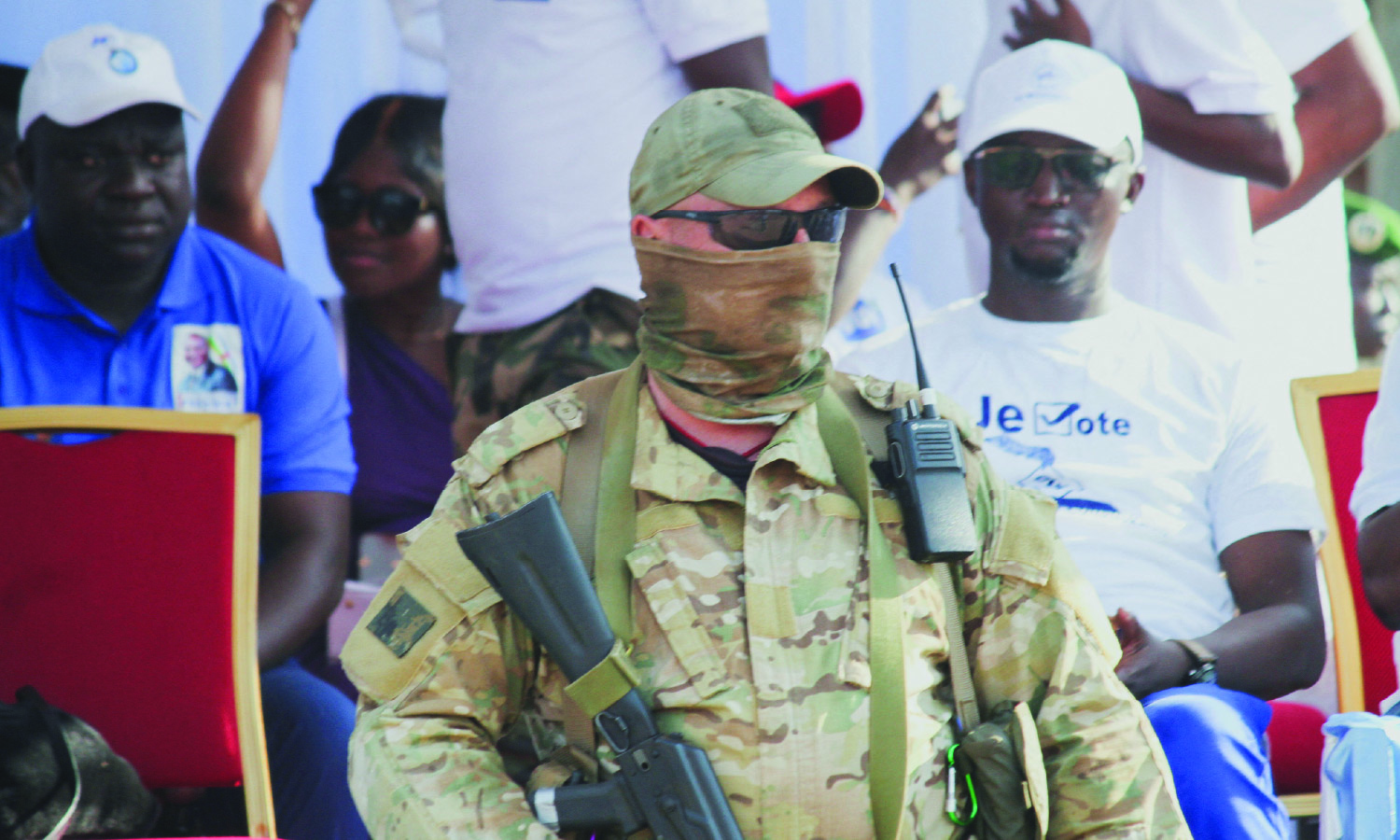
In recent years, Russia has become more active across the African continent. It has backed coups, sent in private military companies, and sought regional allies. Most broadly, Russia wants to diminish Western influence in the region, and it presents itself as an alternative to the United States and Western partners. But Russia’s goals in sub-Saharan Africa are less about development and more about influence and access to natural resources. Experts point out that Russia hasn’t invested much in the region; less than 1 percent of its foreign direct investment goes to African nations. Russia’s most active role involves military operations. Although it hasn’t sent its own troops, Russia has relied on private military organizations like the Wagner Group (now Africa Corps). Russian military contractors have deployed to Sahel countries like Burkina Faso, Mali, and Niger, as well as to the Central African Republic and Sudan. They provide security for ruling juntas in exchange for money and access to resources (oil) and minerals (gold, diamond, and cobalt). In the process, Russian private military groups have also been implicated in government massacres of civilians, which has further destabilized Sahel countries.
9. The United States and Sub-Saharan Africa: Friends with History
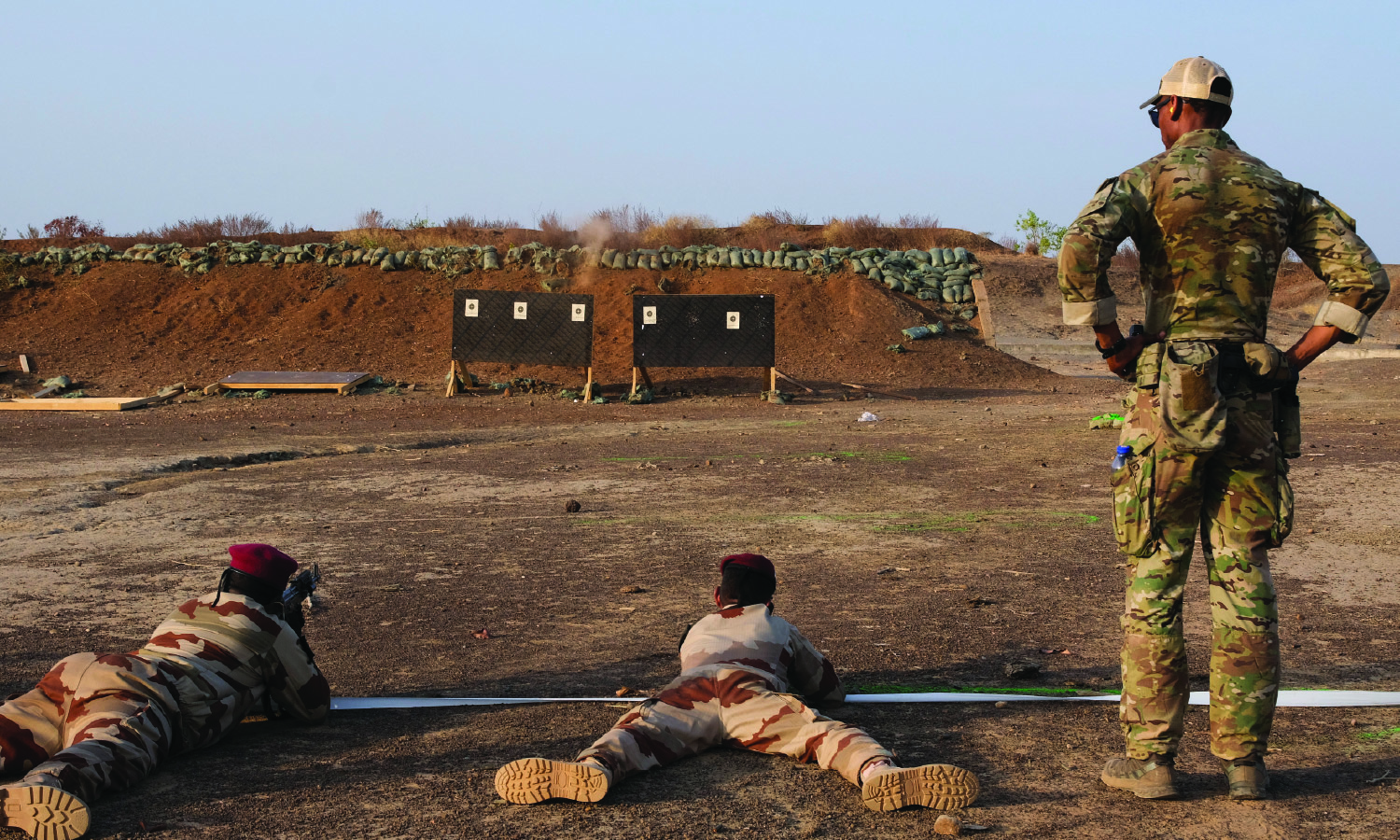
The United States trades more with sub-Saharan countries than Russia does. It has also made commitments to supporting the region’s economic development and promoting democratic values. Still, military and strategic interests have often come first. Many African states are now wary of U.S. intentions. A lackluster COVID-19 vaccine rollout, as well as general frustration over low levels of aid and investment, have made many skeptical of U.S. commitment. Over the past decade, annual U.S. aid to the region has been less than $8 billion on average. Drastic cuts to foreign aid under the Trump administration mean that the region could see even less support in the years to come. Even U.S. military efforts have had limited results. In the Sahel, the United States invested millions in counterterrorism. It even deployed special forces soldiers to Niger and built a U.S. Air Force base there. But critics say its efforts have also worsened instability. Some experts now call for the United States to withdraw from the region. However, in other cases, U.S. interest in Africa could increase under President Donald Trump—due to competition between the United States, China, and Russia and to an increasing U.S. strategic interest in resources—particularly in critical minerals like lithium and cobalt.
10. China and Sub-Saharan Africa: Friends with Budgets
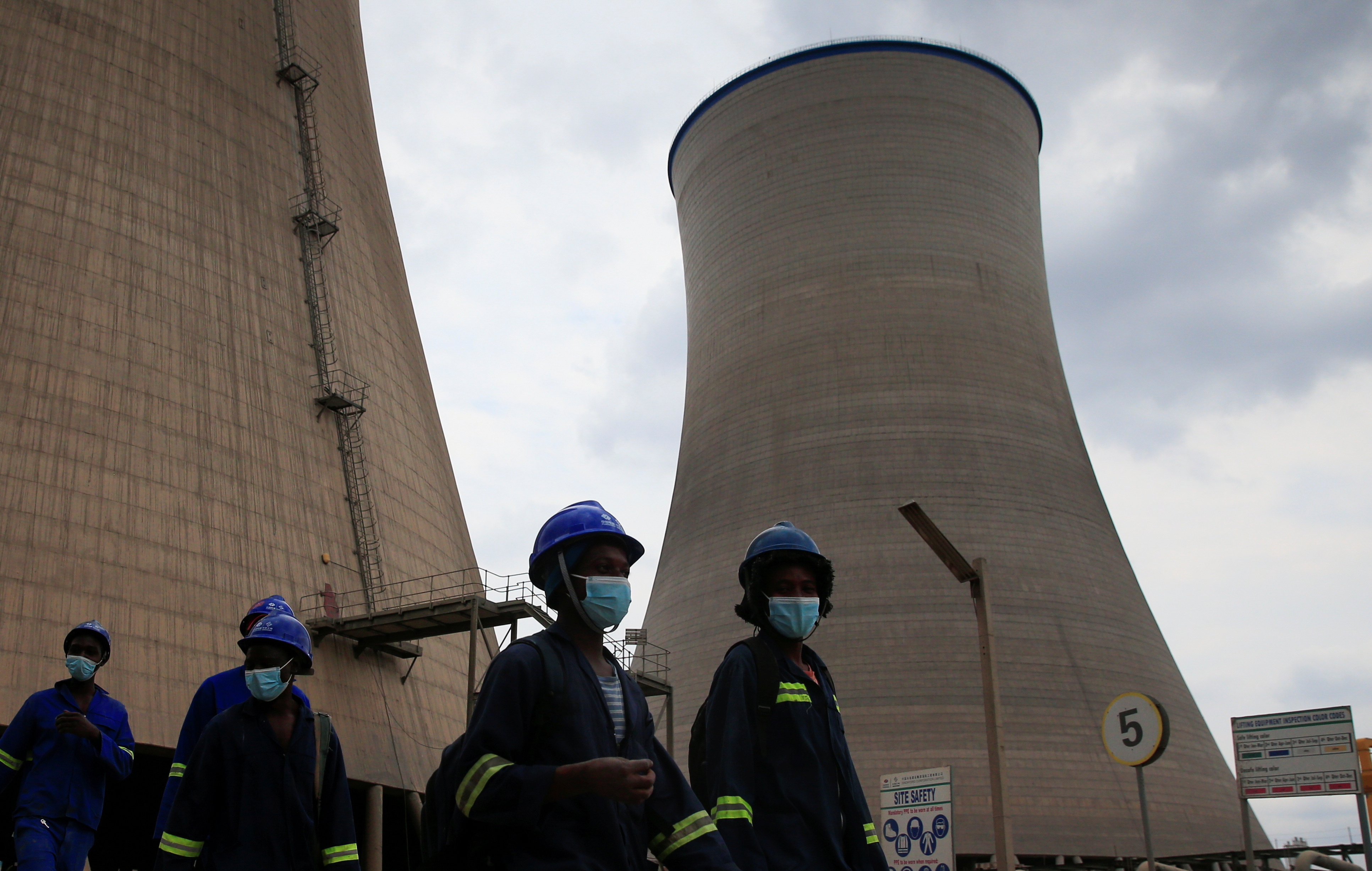
In recent years, China has become sub-Saharan Africa’s largest trading partner. In 2023, Chinese trade with sub-Saharan Africa exceeded $250 billion. As the largest energy consumer in the world, China has been especially interested in the region’s oil reserves. China has also provided loans, investment, and aid to the area. In return, China gets raw materials and resources to fuel its economy. It also gets influence, strengthening its own political ties while potentially weakening the United States’ sway in the region. Some experts characterize the Chinese presence in Africa as predatory. For instance, Chinese infrastructure loans could leave countries with unsustainable levels of debt, giving China political leverage. Others have argued that Chinese projects produce jobs, wealth, and infrastructure for the region. Predatory or not, Chinese investment comes with risks. In 2024, roughly 20 percent of sub-Saharan Africa’s exports went to China, and roughly 16 percent of all imports came from China. But China’s economy has slowed recently, hurting sub-Saharan African countries. The International Monetary Fund estimates that for every 1 percent drop in China’s growth rate, sub-Saharan Africa loses 0.25 percent in growth.
Learn More


