The Rising Tide of Diabetes in Mexico
As noncommunicable diseases become more prevalent, Mexico is coming up with innovative ideas to fight the problem.
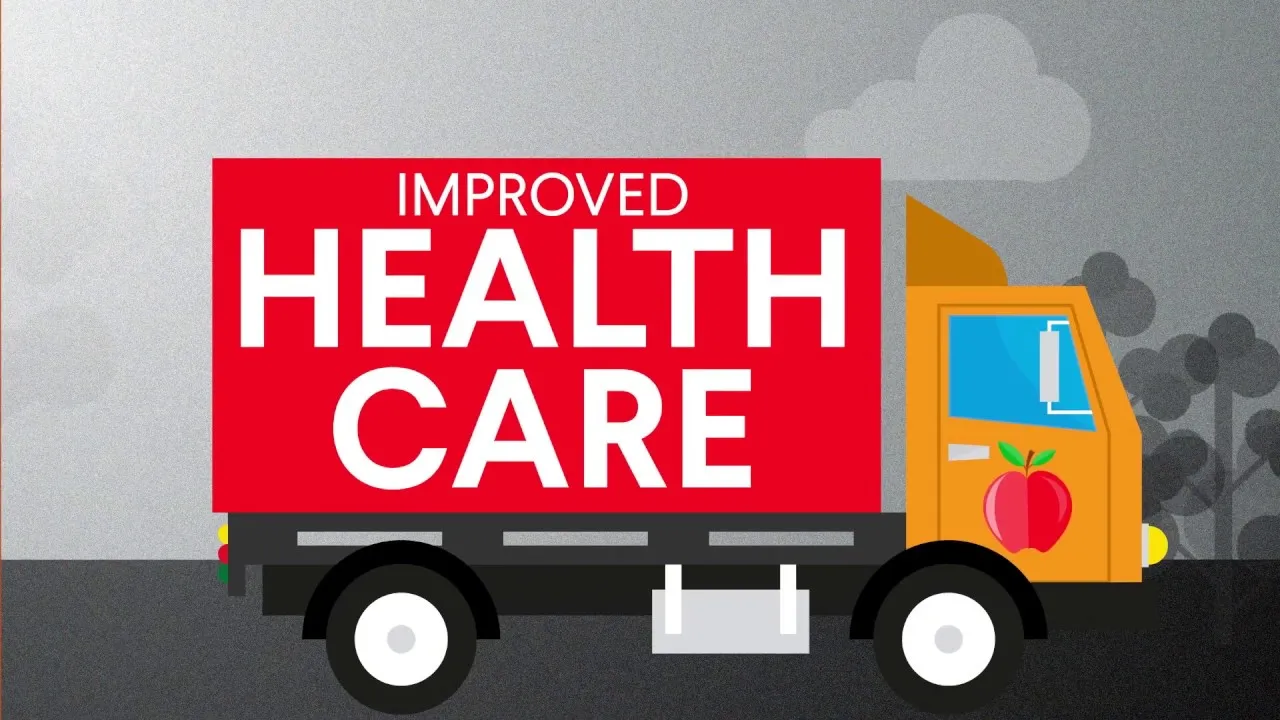
Diabetes has quickly become a top killer in Mexico, claiming eighty thousand lives a year. The spike is part of a larger, alarming trend—a worldwide rise in noncommunicable diseases. This global crisis is directly connected to improved health capabilities and changing lifestyles. Mexico has declared its diabetes problem a national emergency and is using policy and unprecedented legislation to address it.
Transcript: The Rising Tide of Diabetes in Mexico
The world’s population is healthier today than it has been in any time in human history.
Today, people live longer. Immunizations prevent millions of premature deaths. And medicines help treat and cure diseases and infections for millions.
But as doctors get better at treating infectious diseases and lifespans get longer, more people become susceptible to noncommunicable diseases that are largely influenced by changing diets, the use of tobacco and alcohol, sedentary lifestyles, and the environment.
Noncommunicable diseases are now the leading cause of death on Earth. They’re responsible for nearly three-quarters of all global deaths, killing more than forty million people each year.
One of the hardest-hit countries is Mexico, where diabetes in particular is a growing problem. Today, more than twelve million people—or 15 percent of all Mexicans—suffer from diabetes.
It’s become one of Mexico’s top killers and has been declared a national emergency. But the rise is also related to improved health care and better responses to other diseases.
It’s also largely a result of increased global trade and investment, which has brought an influx of big-box grocery stores and fast-food restaurant chains like Domino’s and McDonald’s. While these additions offer increased convenience and affordability, they also have led to an increase in processed foods that are generally high in salt and sugar and low in nutrients.
Similarly alarming spikes in obesity and NCDs are occurring everywhere, most markedly in countries with a growing middle class that are experiencing changes to the food system and environment brought about by globalization and urbanization.
Mexico has tried to solve emerging health-care problems through policy. In 2013, the government funded universal health care that gave coverage to fifty million previously uninsured Mexicans. And then President Enrique Pena Nieto proposed unprecedented new taxes on sugary drinks and junk food.
Health experts welcomed the bill, citing evidence that higher taxes help discourage tobacco and alcohol use. But the proposal met intense resistance from international food and beverage companies.
Despite great effort from industry forces, the taxes passed and took effect in 2014, including a 10 percent increase for sodas and sugary beverages, and an 8 percent tax on other high-calorie and low-nutrient foods.
The Mexican government has also implemented initiatives to further strengthen the tax’s effects, such as guidelines for serving healthy foods and beverages in schools, mandatory front-of-package labeling, and regulations against marketing foods and beverages to children.
Health researchers say the results are encouraging for cities and countries worldwide that are exploring ways to shift the rising tide of diabetes. And similar taxes have since been levied in more countries, from Colombia to France and South Africa—and in U.S. cities such as Berkeley, California, and Philadelphia.
As Mexico responds to its diabetes epidemic, the world is watching. The number of diabetes cases, and other noncommunicable diseases such as cancer and heart disease, are quickly on the rise, especially in countries with rising incomes. How countries like Mexico meet this problem today could help provide answers and road maps for the years to come.
Learn More


