Economics: Asia
From China and India’s rise to the importance of semiconductors, learn about the region’s most impactful developments.
Europe dominated the global economy in the nineteenth century. The United States took center stage in the twentieth century. But now many experts believe that the world is entering the Asian century.
In 2000, Asia accounted for just under 30 percent of the world’s gross domestic product (GDP). Twenty-five years later, the region now comprises nearly 50 percent of global GDP.
The boom has already begun.
Much of South Asia (which includes countries like Bangladesh and India) has seen impressive economic growth in recent years. In 2024, the region’s economy expanded by about 6 percent, extending a decades-long trend of rapid development at roughly twice the global average growth rate of 3 percent. India has fueled most of that growth, with urbanization and a booming tech sector helping to make the country the fastest-growing large economy in the world.
East Asia’s economy (which includes countries like Japan and South Korea) grew roughly 4 percent in 2024—compared to a world average of roughly 3 percent. East Asia is now one of the biggest markets for foreign goods, and people there buy more cars and phones than in any other region. International companies will continue to take advantage of this trend, opening more branches and focusing more on Asia to stay close to the new center of the global economy.
But the most impressive story is that of China.
In just thirty years, economic reforms helped lift over 800 million Chinese people out of poverty. China is now the world’s second largest economy and the largest trading partner of over 120 countries—and it has set even loftier ambitions with its multi-trillion-dollar global infrastructure project called the Belt and Road Initiative. As the region’s economies boom, many experts project, not surprisingly, that this is the beginning of the “Asian century.”
What other events tell the story of Asia’s modern economies?
Here are ten economic developments and challenges across the region.
1. Japan, Four Tigers, and China Drive Asia’s Economic Boom
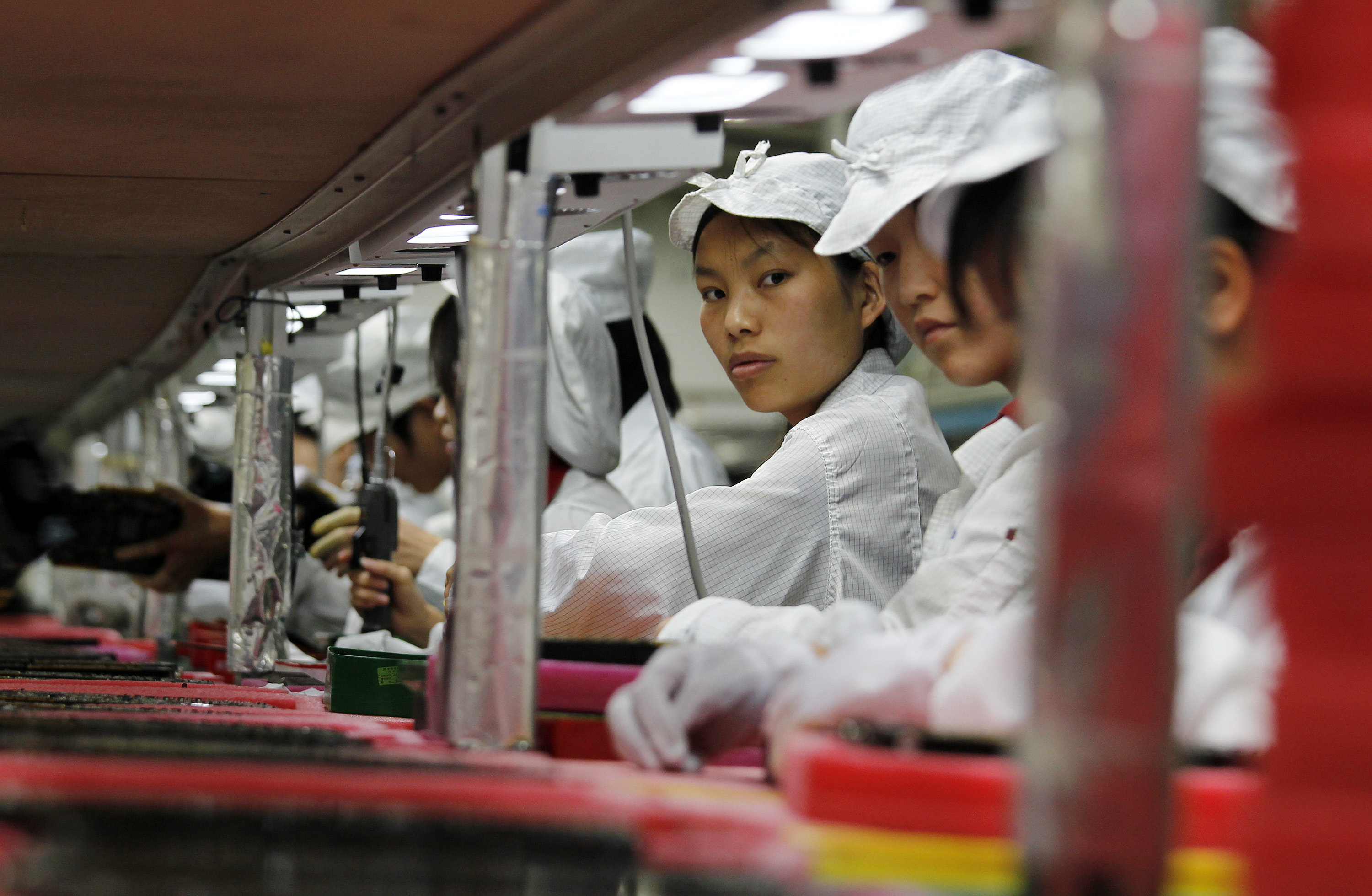
In the twentieth century, several East Asian countries pulled off a dramatic economic transformation. Looking to rebuild after World War II, Japan developed its manufacturing sector, emphasized exports, and invested in education and infrastructure. These reforms, along with the introduction of strong labor laws and the overhaul of its old feudal system, set Japan on a trajectory of spectacular growth. Hong Kong, Singapore, South Korea, and Taiwan—nicknamed the Four Asian Tigers—followed suit, drawing inspiration from the Japanese policies that sparked unprecedented growth. Today, these Asian countries enjoy high standards of living and are home to some of the world’s largest companies, like Toyota and Honda in Japan, and Samsung in South Korea. But no Asian country has transformed its economy quite like China. China more than quintupled its GDP between 1977 and 1997, and since 1977, nearly 800 million Chinese people have risen out of poverty. How did China pull it off? In the 1970s, the country introduced market-oriented economic reforms. China opened the country to foreign investment and loosened control of prices and wages. These reforms, plus China’s large supply of cheap labor, helped to establish China as the world’s largest manufacturer and second largest economy.
2. China’s Economy Faces New Challenges
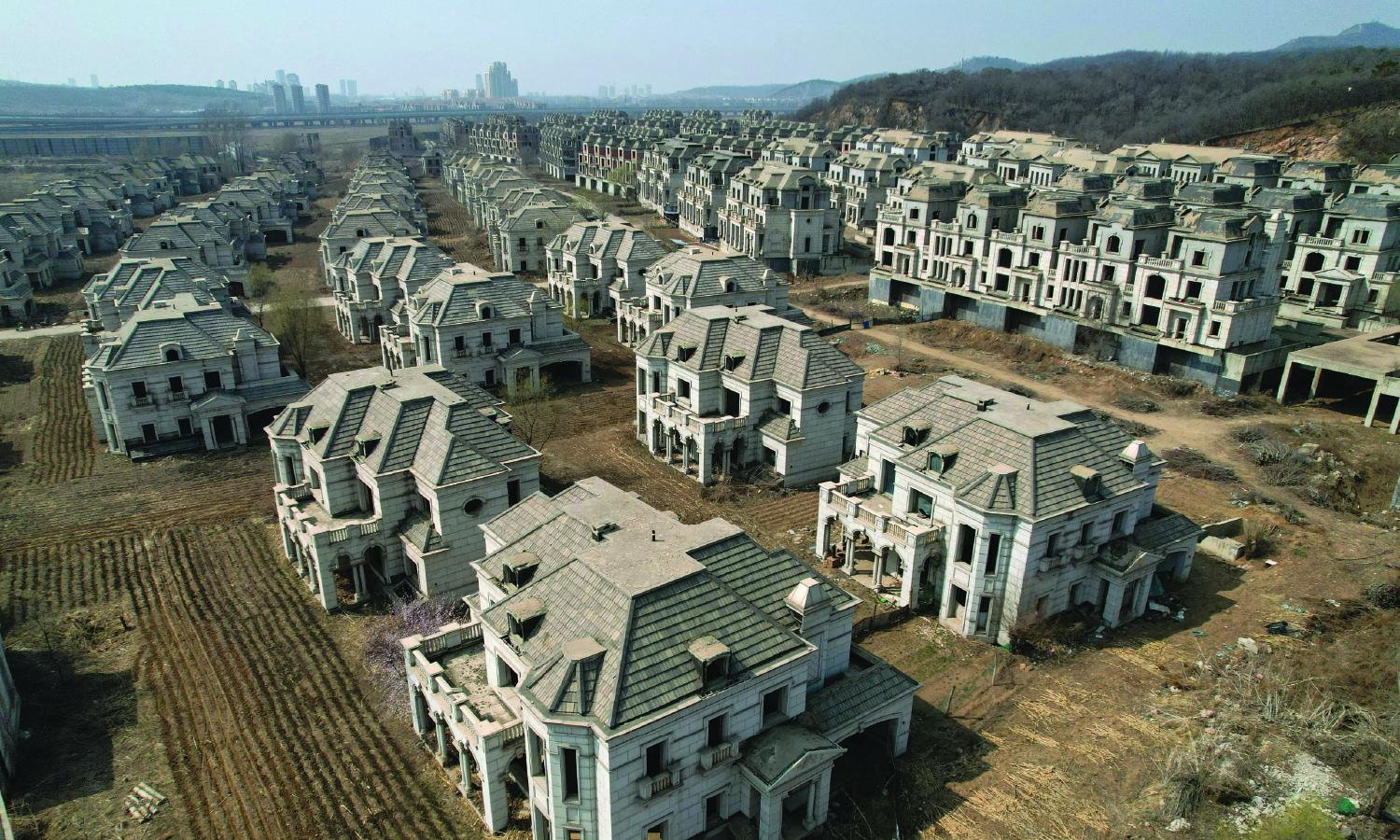
China’s economic growth has long relied on investment and export-oriented manufacturing. In other words, China has put a lot of money into making things and selling them to other countries. This strategy fueled decades of rapid economic growth. But that growth is now slowing, and China’s economy faces several challenges related to those past policies. One challenge is China’s demographics. Low birth rates and an aging population mean China’s working-age population is shrinking. (This trend could hurt labor supply and increase future social spending.) China’s population is also buying domestic goods at rates lower than government expectations, signaling low consumer confidence and low domestic demand. But one of the biggest recent challenges facing China’s economy is its property market. Starting in the early 2000s, as more middle-class people moved to cities, real estate development boomed. However, developers took on debt, overanticipating future demand. Meanwhile, new government rules and slowdowns related to COVID-19 further hurt developers. Property prices then began to fall. Now, one of China’s biggest drivers of economic growth—its property market—is in a downward spiral. China is adapting to all these challenges partly by refocusing its economic strategy. For instance, the country is putting more emphasis on its digital economy, which includes things like big data, cloud computing, and artificial intelligence.
3. Trade Blocs Help Integrate the Region
East Asia is one of the most economically interconnected areas in the world: nearly 60 percent of the region’s total trade originates within the region itself. Countries have sought to bolster that integration through regional free trade agreements. In 1992, for instance, the members of the Association of Southeast Asian Nations (ASEAN)—a regional political bloc—established a Free Trade Area, allowing member countries to import and export 90 percent of goods from their neighbors without paying tariffs. More than three decades later, the ASEAN Free Trade Agreement (AFTA) has effectively eliminated tariffs among ASEAN members. However, the agreement has had mixed results in increasing trade among its members. Intra-ASEAN trade has actually decreased from 25 percent in 2003 to 22 percent in 2022. More recently, ASEAN has also sought to broaden its economic integration with countries outside the bloc. In 2020, ASEAN joined Australia, China, Japan, New Zealand, and South Korea to create the Regional Comprehensive Economic Partnership (RCEP). The agreement represents the world’s largest free trade agreement by GDP, covering more than 30 percent of global GDP.
4. China’s BRI Combines Economic and Foreign Policy
According to the Asian Development Bank, Asia needs at least $1.7 trillion in annual infrastructure investments to keep up with its growing population and economies. China has been all too happy to address these shortcomings through its Belt and Road Initiative (BRI), an ambitious trillion-dollar global infrastructure development and investment plan. Southeast Asia in particular features prominently in China’s plans, with projects like high-speed rail in Laos, port construction in Myanmar, and canal development in Thailand. (By 2023, ten years after the BRI began, nearly 150 countries had signed on or announced plans to do so.) The BRI promises to address many countries’ need for infrastructure funding, and China claims the initiative has already lifted over 40 million people out of poverty. However, some analysts are concerned that BRI projects can drown developing countries in debt that they are unable to repay, endangering those countries’ economies and possibly giving China increased leverage over them. More than a decade into the initiative, delays, failed projects, and financial struggles in some recipient countries have led experts to debate whether and how much the BRI will ultimately benefit China’s economy. Chinese lending has declined in recent years, and the BRI has largely refocused on smaller projects instead of large ones. Nevertheless, the BRI remains an important part of Chinese foreign policy. It is as much a political investment in spreading influence as a financial one.
5. India Drives South Asia’s Growth
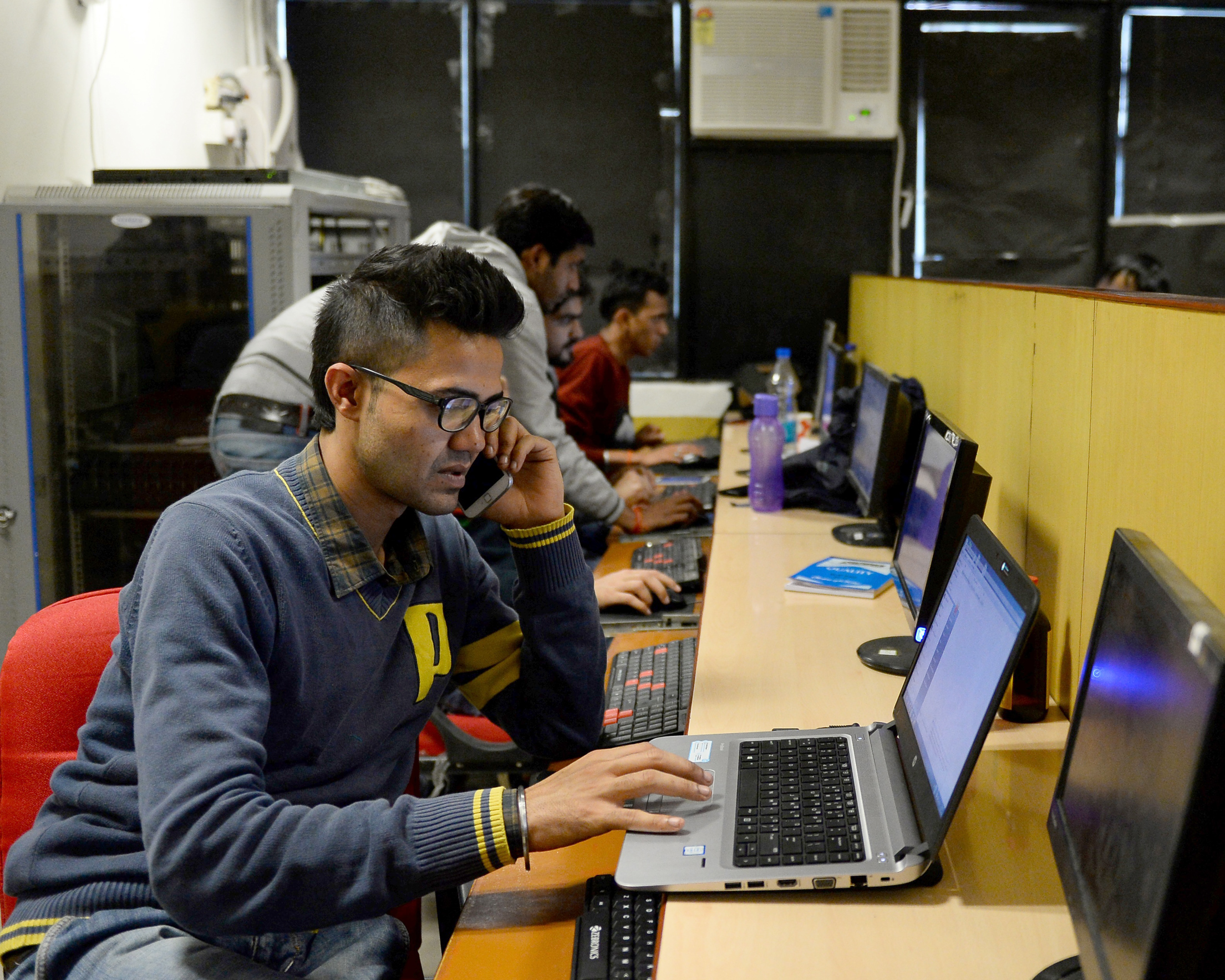
South Asia’s economies are generally trending upward, with diverse economies and exports, like cotton in Pakistan and textiles in Bangladesh. The largest and most important economy in the region, though, is India. India’s economy—representing over half of the region’s GDP—is already larger than that of the United Kingdom. It now ranks fifth in the world, and according to projections from HSBC Bank, it will be the world’s third largest by 2030. How did India’s economy become so dominant? When India joined the World Trade Organization in the 1990s, it implemented economic reforms that reversed decades of trade restrictions. One industry that benefited from these reforms and helped drive growth was information technology (IT). India reduced tariffs on software and hardware and began to allow foreign direct investment. With lower labor costs than European countries (and a large number of English speakers), India soon became an attractive source of engineers and other professionals for international firms. Services like data processing, information security, and communications have made India the largest operations center for international IT companies. The IT industry has expanded by billions of dollars each year and accounted for over 12 percent of the country’s GDP in 2023. (India’s digital economy is expected to account for nearly a fifth of GDP by 2030.
6. Central Asia Plays Increasingly Important Trade Role
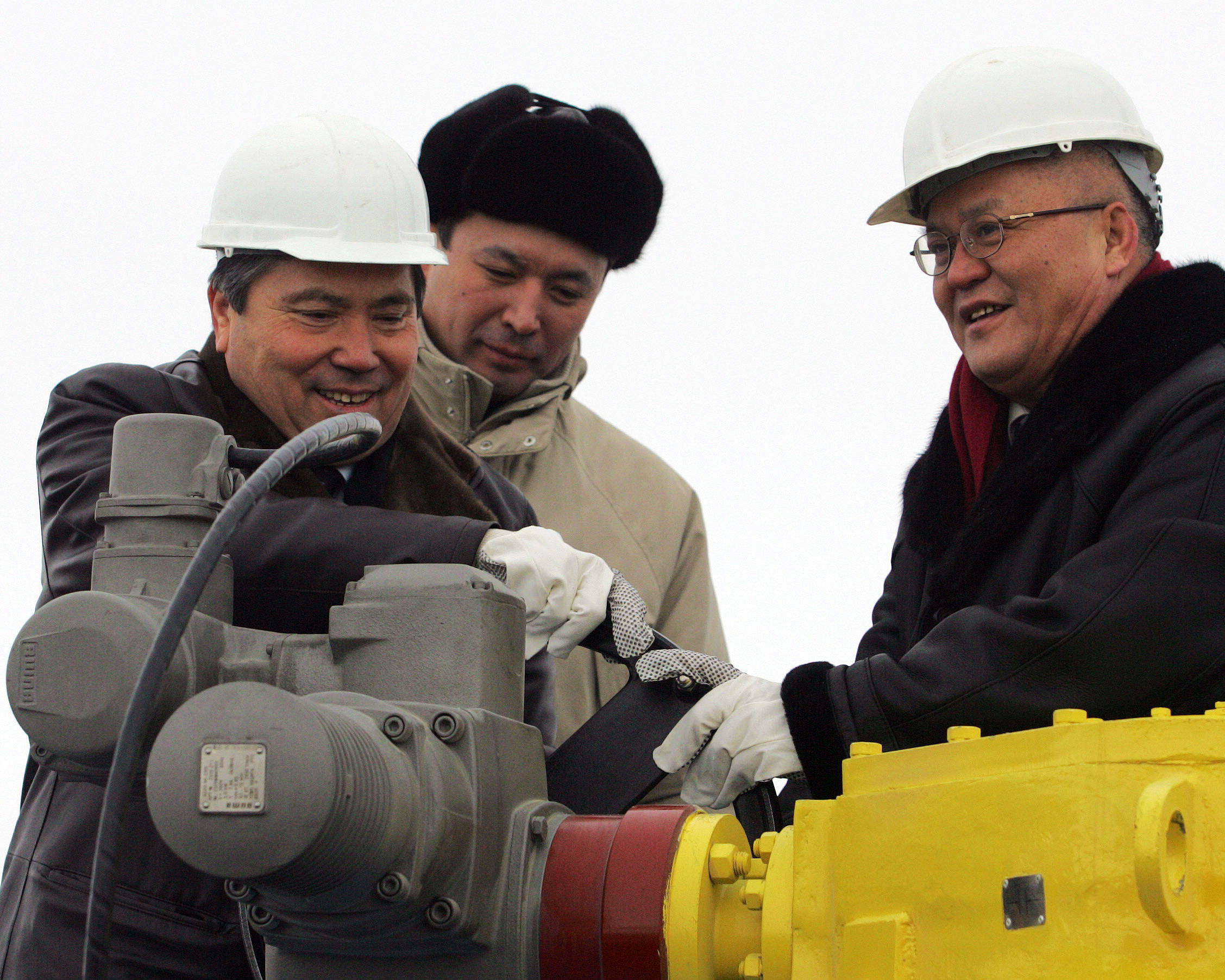
After the fall of the Soviet Union, Central Asian countries (former Soviet republics including Kazakhstan and Uzbekistan) saw decades of economic stagnation. But now these countries are growing and urbanizing, as many look to export their vast energy reserves to boost their economies. Still, these countries need investments in infrastructure, such as oil and gas pipelines, to unlock their export potential. That’s where China comes in. China has invested in billions of dollars’ worth of oil pipelines in Kazakhstan as part of its Belt and Road Initiative. It’s also improving Central Asian railroads to recreate historic land-based trade routes between Europe and Asia. As China’s hunger for energy has grown, it’s replaced Russia as Central Asia’s biggest energy market. But that doesn’t mean Russia’s role in the region has ended. In fact, Central Asian countries must often perform a balancing act with their economies—working with Russia, China, the European Union (EU), and Turkey on trade and investment. One important regional initiative, for instance, is the Middle Corridor, a network of trade routes that connect China and East Asia with Europe. China, Turkey, the United States, and the EU have all invested in the project, underscoring the global importance of Central Asian trade.
7. Asia Is a Tech Hub
Asian countries—including China, Taiwan, and South Korea—are home to some of the world’s biggest tech companies. The region, already a dominant player in electronics manufacturing (think smartphones), is also becoming a major innovator in emerging technologies like artificial intelligence (AI). How has Asia become such an important region for technology? For decades, Asian countries made substantial investments in tech—including start-up funding, patents, and research and development. Asia has also benefited from strong regional connectivity. For instance, companies in China have increasingly invested in nearby manufacturing, often located in emerging economies like Vietnam. That means technology supply chains stay within the region, making them more efficient and protected from disruption. Perhaps the most notable technology designed and manufactured in Asia today is the semiconductor. Roughly the diameter of a DNA strand, semiconductors are essential for computing, medical devices, and communications—making them highly valuable. Thanks to investments in research, cost-efficient production, and government support, Asia now has a competitive advantage in semiconductor manufacturing. Taiwan itself accounts for half the global market, making chips for companies like Apple. Taiwan’s role in advanced technologies has also made it increasingly valuable to countries outside the region, particularly the United States.
8. Older Populations Could Hurt Future Economies
Aging populations pose a potential problem for many economies. However, it’s a particular challenge for East Asian countries like South Korea and Japan. In Japan, the fertility rate—the average number of children each woman has by age 50—is roughly 1.3. Any fertility rate below 2.1 (often called the replacement rate), means that without immigration, the population will decline over time. With fewer children being born, the average age of Japan’s population is also getting older. How will this affect Japan’s economy? Having a lot of prime working-age adults (roughly ages 25 to 59) means more people are producing and contributing to social welfare systems than are relying on them. When the population falls and the proportion of older people rises, there are suddenly fewer workers to support older people who require things like pensions and long-term healthcare. More elderly consumers put pressure on public budgets and working people who may have to pay higher taxes to support them. Over time, a country’s GDP growth might slow and the economy could suffer. Japan has begun to address these potential problems by decreasing the cost of raising children and increasing employment opportunities for older people. But altering demographics isn’t easy. By 2050, Japan’s population is projected to fall by 17 percent while its proportion of elderly people rises to 40 percent.
9. The Center of Global Supply Chains
A supply chain encompasses all the steps required to make a product. It includes the people, places, and things needed to source, assemble, and distribute goods to a consumer. A smartphone supply chain, for instance, entails suppliers for raw materials and other parts, factories for assembly, and freight shipping for transportation. For years—due to the region’s rapid expansion in manufacturing—Asia has stood at the center of global supply chains. From clothing to consumer electronics to technologies like solar panels and electric vehicles, Asia (primarily China) has held a large share of global exports. According to some sources, as much as 90 percent of all smartphones, for instance, are made in Asia—and upwards of 80 percent are made in China alone. Because companies rely on each link in the supply chain, events affecting one link can cause disruptions for the whole chain. Supply chain resilience is now a key consideration for companies and economies. For example, rising labor costs as well as recent trade tensions with the United States have led many companies to seek new sources of manufacturing outside of China—thereby strengthening their supply chain. But much of this new manufacturing has simply shifted to other Asian countries like Vietnam and India, meaning the region still maintains a central place in current global supply chains.
10. A Primary Source of Critical Minerals
It’s not just manufacturing that makes Asia a supply chain center. The region is also rich in critical minerals—particularly copper, graphite, lithium, nickel, and silver. These minerals are highly valuable because they are essential for technologies like batteries, cables, electric vehicles, and solar panels. China alone controls 60 percent of all critical mineral production. China also imports minerals for processing—where it turns the raw minerals into usable materials. China controls over 80 percent of the world’s critical mineral processing capacity. (Decades of government funding, laws on exports, and cheap labor help explain China’s dominance.) Many countries, therefore, rely heavily on China to supply them with critical minerals. Some countries are concerned about being so dependent on a single source. This is especially true of countries that have an adversarial relationship with China, such as the United States. Seeking to diversify, many countries are looking to other places in Asia. Central Asian countries like Kazakhstan, Tajikistan, and Uzbekistan, for instance, are also rich in critical minerals. The United States, the United Kingdom, and the EU have all signed critical mineral agreements with Central Asian governments. Some experts caution that if emerging economies focus only on extraction, they could become overly dependent on critical minerals, worsen inequality, and contribute to environmental degradation. What remains clear, however, is that as global demand for critical minerals rises, Asia will continue to play a central role.