
Every AP Human Geography (APHG) teacher knows the feeling: the exam is weeks away, your students know more than they (and you!) think, and what they need isn't new content, but practice making connections. CFR Education offers a rich set of free materials that can help you do exactly that. Here is a guide to weaving those resources into your review in engaging, low-prep ways that target the skills the exam tests.
Ten Relationships, Endless Connections
The Regional Politics readings from CFR Education’s Regions of the World Collections break down ten key regional relationships, a structure that makes them a natural fit for review. Divide students into ten groups, assign each group one relationship, and challenge them to connect vocabulary from any unit to their assigned relationship. Award one point for a direct connection (think sovereignty in the South China Sea for Political Geography) and up to three points for a creative, cross-unit connection (think aquaculture linking back to Rural Land Use and Agriculture in Unit 5). Set a timer and let the competition do the work.
Want to level up? Project a map and have each group mark their relationship's location. As examples are built, students see connections between their relationship and their classmates', allowing spatial patterns to emerge organically. If your students are anything like mine, spatial patterns are a perpetual struggle. The more chances they have to identify and explain those patterns in context, the better prepared they'll be when it shows up on the exam.
Follow The Data
The College Board expects students to read graphs and explain patterns, and CFR Education’s resource collections are built for exactly that kind of practice. Spanning topics from migration to sovereignty to development and globalization, each Journey packs well-sourced, readable graphs that let students sharpen analysis skills while connecting to real-world examples.
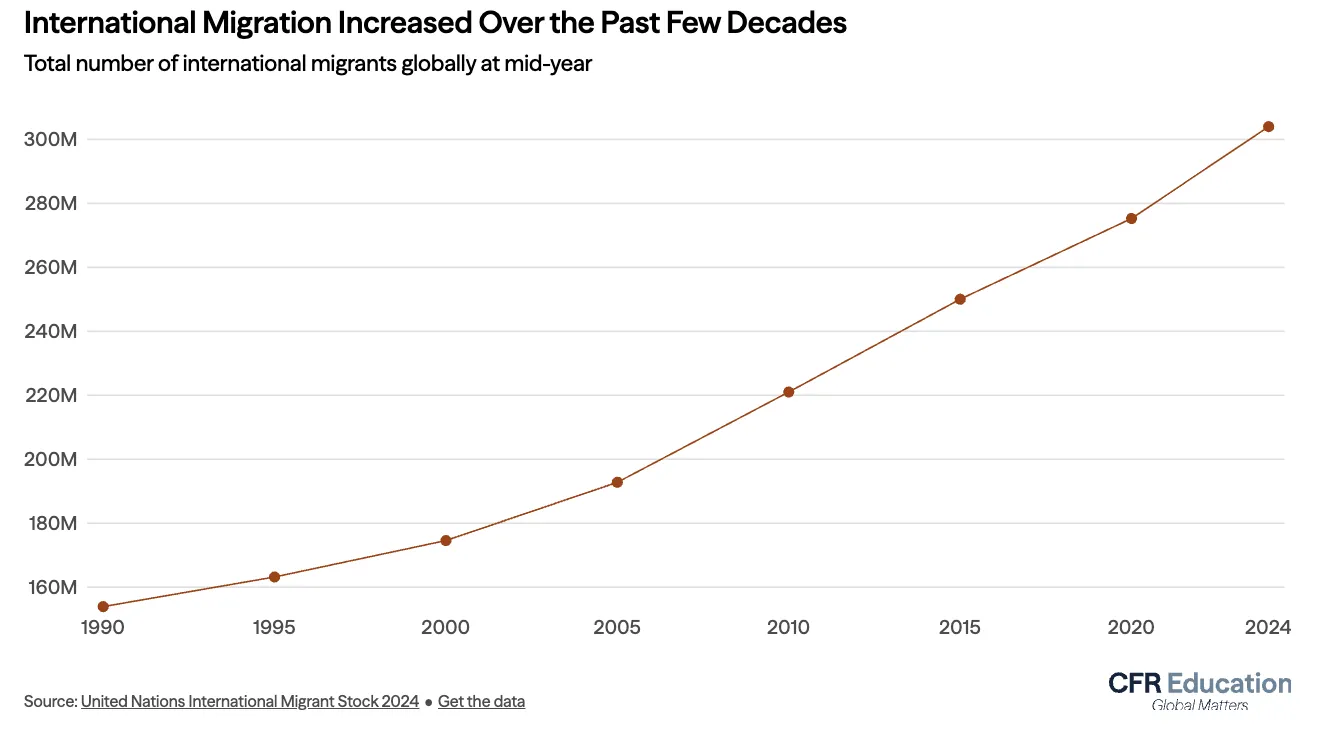
The Introduction to Migration collection is a great place to start. Have students work through the graphs and tell the story of migration using vocabulary straight from the APHG curriculum. It's a low-lift activity with a high return on student thinking.
A personal favorite is the Introduction to Development collection, which walks through the United Nations Sustainable Development Goals (SDGs). After analyzing the graphs and explaining why the data looks the way it does, have students sort the SDGs by unit. Which goals connect to agriculture? Urbanization? Population? Economic development? Then push the thinking further by having students rank the goals from most to least urgent to address on a global scale. To layer in the concept of scale, repeat the ranking at a regional or national level and compare how the order shifts.
The ranking activity works on paper, but it comes alive when you print the goals on cardstock and have students physically line up, with peers rearranging them. The conversation that follows is the whole point. There's no single right answer, and that's exactly what makes it stick.
Bell Ringer, Meet Exam Prep
In the visual world our students inhabit, the written word sometimes needs backup. The videos on the CFR Education website are short, focused, and perfectly sized for a bell ringer or a quick review touchstone. They pack more instructional punch than their runtime suggests.
The Globalization video is a standout for APHG review because globalization is one of those concepts that threads its way through nearly every unit in the course. Use it in two ways: first, have students connect vocabulary to the content in the video as they watch. Then, push the thinking further by asking them to draw connections across units. How does globalization show up in migration patterns? In agricultural systems? In economic development? Those cross-unit connections are exactly the kind of thinking the AP exam rewards, and a three-minute video can be the spark that gets students there.
As exam season ramps up, don't overlook the rest of the video library either. A short video paired with a targeted discussion question can be one of the most efficient uses of the first five minutes of class, and efficiency matters when May is right around the corner.
Tackle That Test!
With the AP exam just weeks away, the goal isn't more content. It's sharper connections. CFR Education gives you free, non-partisan, real-world materials that help students do exactly that: link what they know to how the world actually works.
Try one of these strategies in the next class period and see how your students respond. The resources are there, the time is short, and your students are more ready than they realize.
Looking for all the CFR Education resources that supplement APHG? Check out this list!
Maggie Haas teaches AP Human Geography at West Chicago Community High School in West Chicago, Illinois, and serves as a Council on Foreign Relations Education Ambassador. Outside the classroom, she sponsors WeGo Global, a student organization where passion for global affairs meets action.