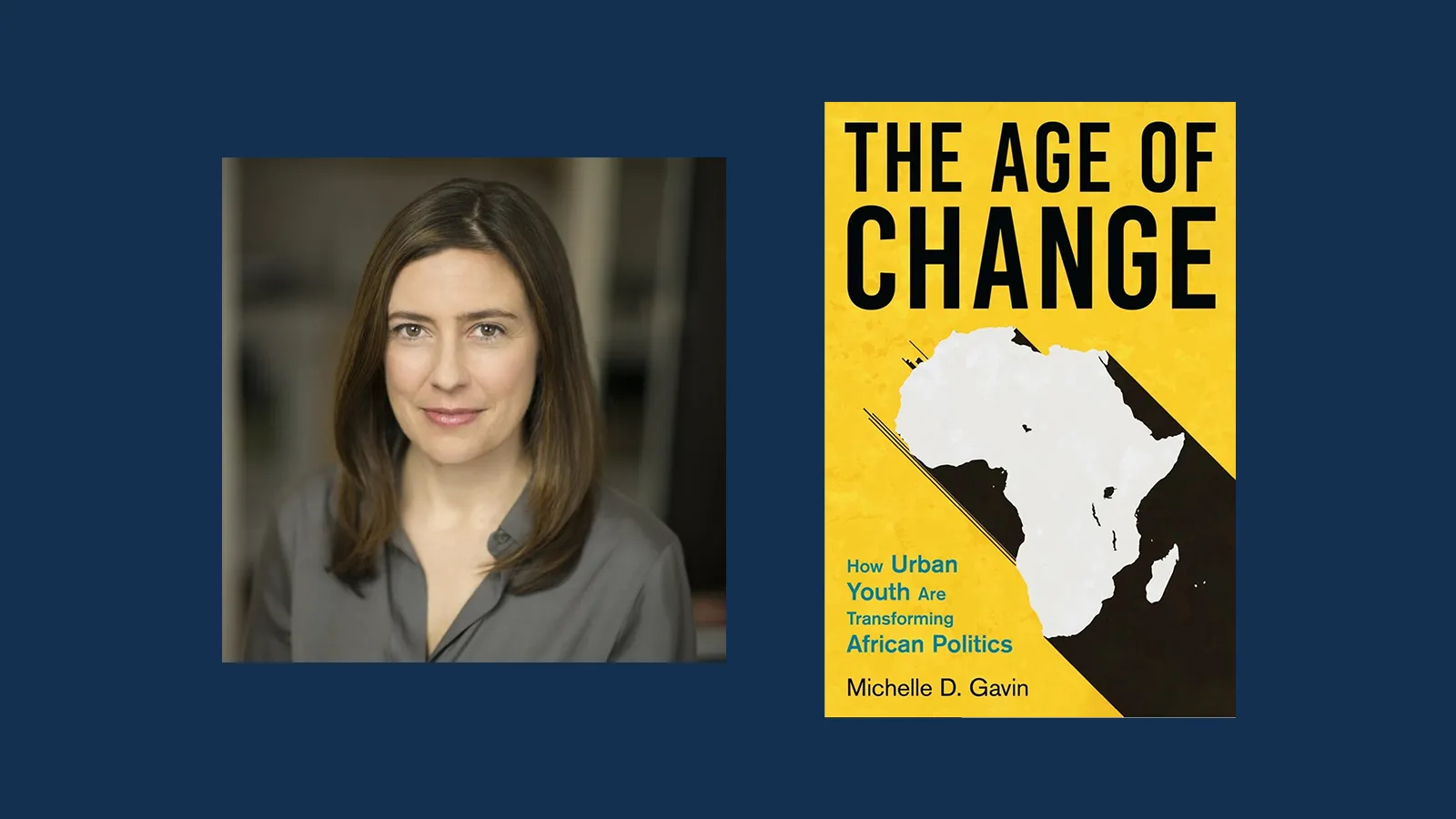
The Age of Change: How Urban Youth Are Transforming African Politics
Introduction
The Age of Change explains how demographic trends and unsatisfying political narratives are converging to trigger new volatility in African politics, and how that volatility informs African countries’ engagement with the rest of the world. Tapping into the irreverent humor and insight of African political discourse on social media, the book helps readers jettison anachronistic ideas about African societies, understand how specific histories inform individual countries’ trajectories, and recognize that a regional search for new political models is underway.
Summary
Africa is undergoing an astounding transformation that will usher in a new era of political volatility and experimentation in the coming years. The region is in the midst of a historically unprecedented demographic surge that has skewed the median age in most countries to below twenty years old. This demographic moment coincides with three factors likely to amplify the political agendas of African youth: rapid urbanization, dramatically increased digital connectivity, and increasing recognition that old political narratives are no longer fit for purpose.
Gavin argues that these clear trends will result in an increase in political volatility. Anti-government movements will continue to find new expression, incumbents will be more vulnerable, honeymoon periods for new leaders will be shorter, and transfers of power and leadership will be more frequent. Citizens frustrated by the status quo will show more willingness to experiment with different forms of government and different external partnerships, all with significant implications for those hoping for a global democratic resurgence.
The Age of Change: How Urban Youth Are Transforming African Politics explores growing dissatisfaction and desire for change as the political through line emerging on a diverse continent, and illuminates some of the frustrated, defiant, and often humorous pan-African political conversations underway among young, politically engaged populations. What is coming will be dramatically different from the period of political stagnation that has characterized the past two decades in the region, and that also means that major powers like the United States, China, and Russia that are competing for influence in the region will have to change the way they do business.
This book is suitable for undergraduate and graduate courses in the following disciplines:
- Political Science
- Comparative Politics
- International Relations
- African History
- African Studies
Main Takeaways
- Political changes are shaping the world’s youngest continent.
- Entrenched elites are resisting change through a variety of means.
- External powers are influencing and exploiting the desire for change.
- African youths are using social media to discuss current politics with both wit and irreverence.
Essay and Discussion Questions
For undergraduate and graduate courses in Political Science, Comparative Politics, and International Relations:
- How do the current political trajectories of the countries described in this book impact their relationships with other African states? With the United States? With other global powers?
- How should policymakers think about this era of African politics? Why?
- What are some pitfalls or challenges for U.S. policymakers working on Africa?
- What are some factors, measured by Afrobarometer opinion polling, that best explain or reveal shifting political sentiments?
- How might increasing tolerance for military governments impact a country?
For undergraduate and graduate courses in African History and African Studies:
- Why is this era of African politics distinct from previous ones?
- Who are some key individuals that are useful for understanding the current context in one of the countries in the book? What actions have these individuals taken regarding their current political situation?
- What factors enable certain leaders to stay in power for so long? What factors allow regimes to change?
- What role do various party systems play in preventing or bringing about political change?
- This demographic and political shift is impacting much of Africa; how might it affect or how should it affect African politics in multinational bodies at the regional, continental, or international level?