Climate Change and the Coffee Industry
In this educational video, learn how climate change's effects on agriculture can have serious economic consequences for the world.
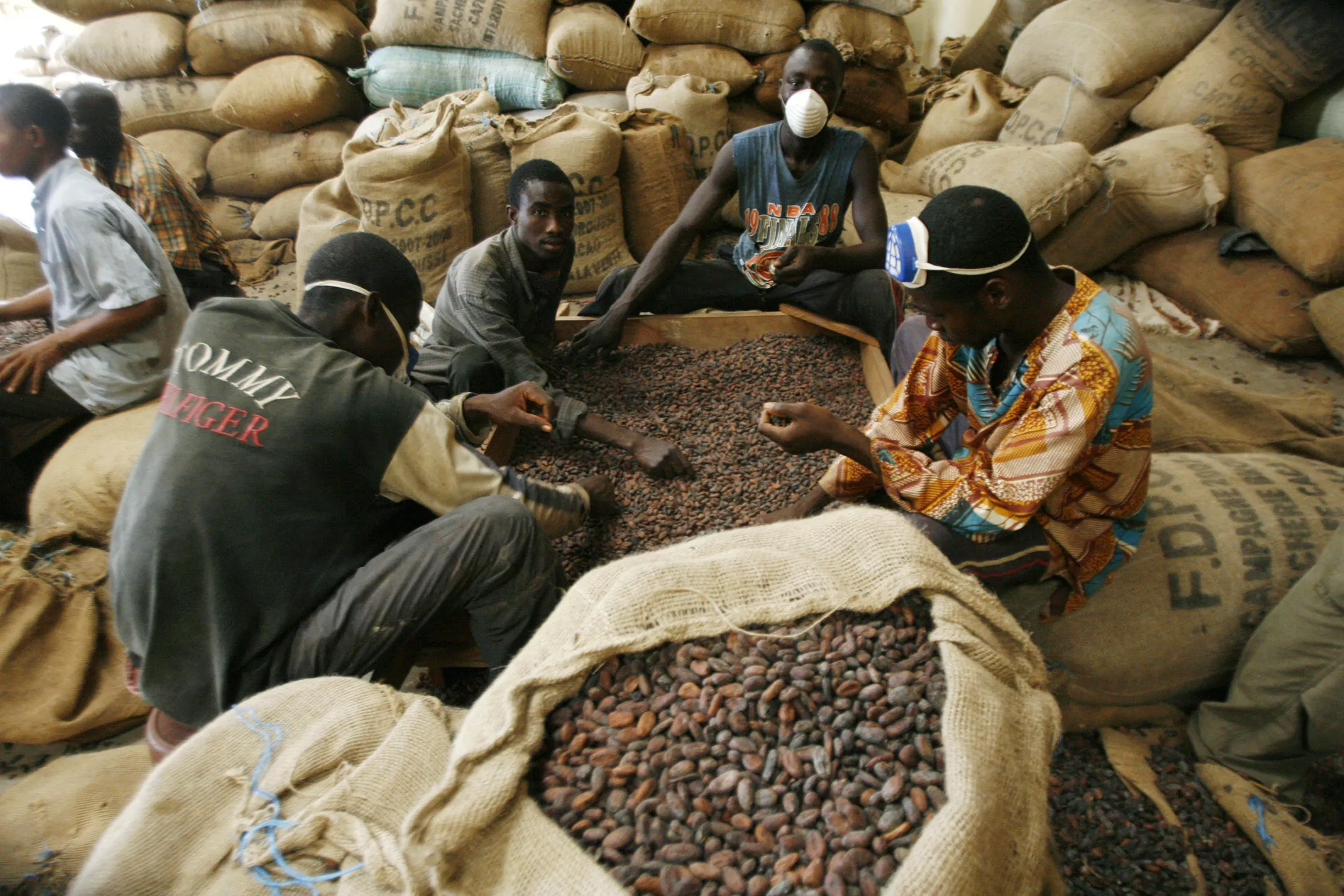
The effects of climate change threaten global food security, endangering the food sources people depend on to survive. But changing weather patterns also have serious economic impacts. For crops like coffee, which are grown predominantly in the developing world, climate change also imperils producers' livelihoods.
Transcript: How Climate Change is Threatening the Coffee Industry
Ever since the coffee bean was discovered in the highlands of Ethiopia over a thousand years ago, the act drinking coffee, shared by friends, family, and neighbors, remains an integral part of Ethiopian culture. Today, the caffeinated crop also plays a crucial economic role. But climate change puts it all at risk.
And Ethiopia’s not alone. Nearly all coffee is grown in the “bean belt”— with Brazil as the leading global coffee exporter. After oil, coffee ranks as the world’s most valuable export commodity, and it’s produced almost exclusively in developing countries. One hundred and twenty million people in 70 countries count on the global coffee industry, worth tens of billions of dollars, to make a living.
Yet like wine grapes, coffee plants can be sensitive and demand specific growing conditions to produce flavorful and balanced beans.
That’s why climate change poses such an existential threat. Warmer temperatures, more frequent droughts, intensified flooding, and increasingly hospitable conditions for the insects and fungi that attack coffee plants all take a heavy toll on production.
Tanzania, where 2.4 million people earn a living from coffee, has seen production cut in half since the 1960s due to hotter temperatures. And globally, half of all land currently used for coffee production is projected to be unsuitable by 2050.
Coffee lovers will likely feel the effects of supply shortages through higher prices and lower bean quality. A rise in temperature means less time for a coffee bean to ripen, and less complexity in flavor, acidity, and sweetness.
Strategies to counteract the worst effects of climate change include moving coffee plantations to higher ground and diversifying crops. But most coffee farmers are small-scale producers without the resources to take on these measures by themselves.
The private sector, from Peet’s to Nespresso, has stepped in with funding and research support for farmers. And after coffee producers in Mexico lost 60 percent of their crops to leaf rust in 2014, coffee behemoth Starbucks distributed millions of coffee plants bred to be rust-resistant to the region.
But to stave off a crisis, governments and institutions need to make a sustained, widespread effort to help farmers adapt to climate change. For 120 million people, it’s not just about a daily jolt of caffeine or after-dinner nightcap—it’s economic survival.