What Tools Do Foreign Policy-Makers Have at Their Disposal?
In this foreign policy video, learn how leaders further their countries’ interests with political, economic, and military tools such as diplomacy, trade, and intelligence.
What is foreign policy?
Foreign policy is a term that describes how countries influence one another in order to protect and advance their national interests, values, or both.
Tools of foreign policy
To achieve this goal, foreign policymakers have many tools at their disposal, which generally fall into three broad categories: political, economic, and military. Those categories encompass many activities and actions, broadly known as tools of foreign policy. They include diplomacy, trade policy, economic sanctions, arms control, and intelligence.
Each tool has its advantages and disadvantages. The trick to foreign policy-making is figuring out how to manage those tradeoffs by selecting the best combination of tools for any given situation.
Transcript: What Foreign Policy Tools Can Leaders Use?
Foreign policy is how countries try to influence each other in order to advance their own interests -- and there are many tools they can use in pursuit of this aim.
Those tools generally fall into three broad categories -- Political, Economic, and Military. The primary political tool is diplomacy -- all the ways in which one country communicates with other countries, both at high-level meetings between leaders and regular interactions between country representatives sent abroad as diplomats and ambassadors. Their interactions can be in public or in private, and can include both friendly consultations as well as heated negotiations.
Direct diplomacy between countries allows for clear communication of goals and priorities, negotiated agreements that address problems, and coordinated action. In the Economic category of tools -- foreign assistance and humanitarian development can generate goodwill, help stabilize a country, and increase its capacity to govern. Countries that are given money and resources are often more open to their benefactor’s influence.
Trade policies are also used to influence other countries’ behavior -- by offering access to domestic markets and foreign investment as an incentive for other countries to act in favorable ways. On the flip side, economic sanctions actively restrict other countries’ ability to trade and grow economically, and can punish them for acting in undesirable ways, potentially convincing them to change their behavior.
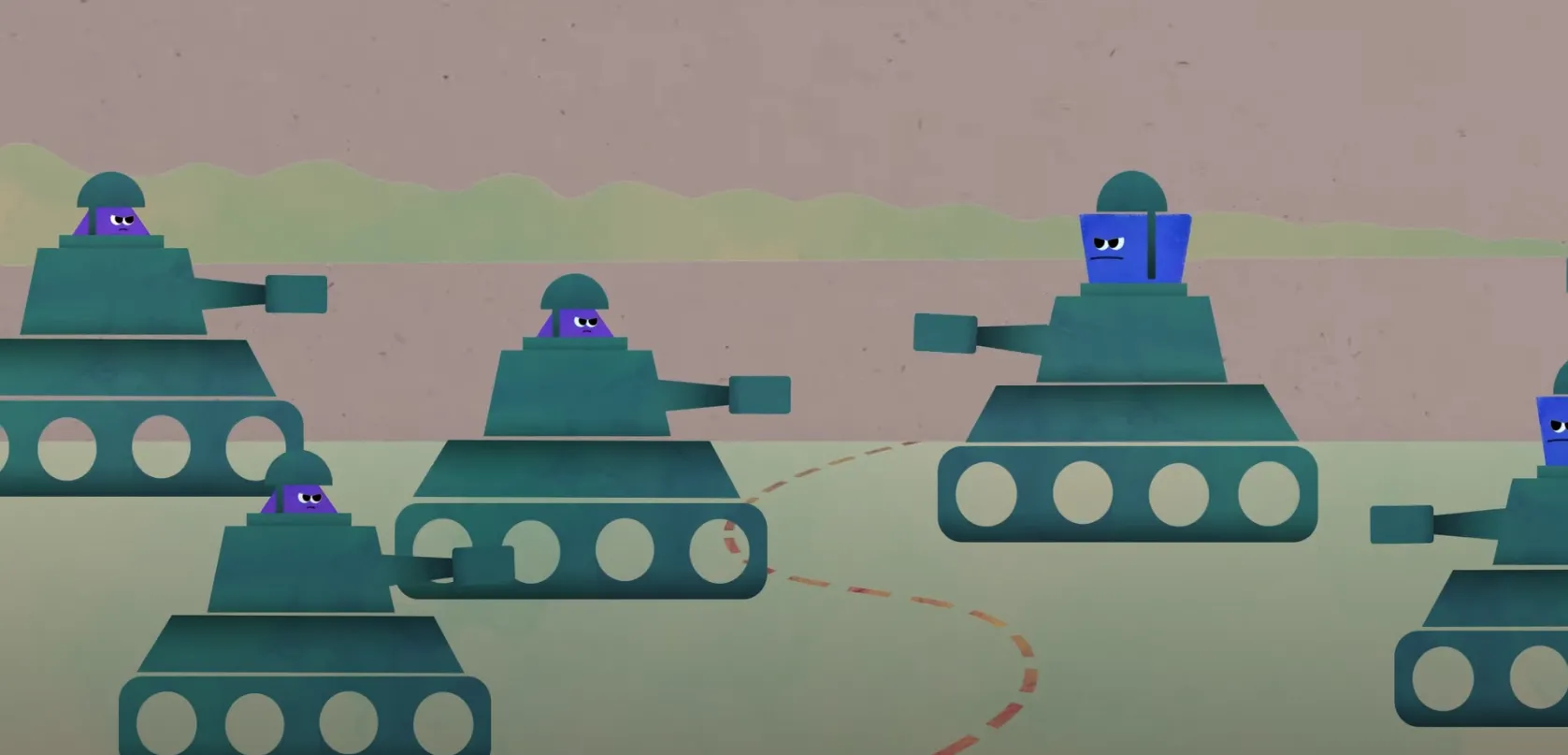
The most powerful tools tend to be in the military category. At times, when its use of other tools has failed, or when it feels directly threatened, one country will use armed force against another, until it changes its behavior. Whether through limited airstrikes or a full-scale invasion… armed force can lead to war between two countries, which often results in damage for both sides, with no clear-cut winners or losers.
But military action between countries is often prevented through the tool of deterrence. That’s convincing other countries that if they were to attack, the targeted country’s military and the militaries of its foreign partners would be strong enough to cause serious damage to the attacking country… thus discouraging, or deterring it from attacking in the first place.
Another way to lower temperatures is through arms control agreements, which can increase transparency and limit the development, deployment, number, and use of the world’s most dangerous weapons -- decreasing the likelihood and potential costs of any conflict. Sometimes military action isn’t about forcing another country to do something, but rather helping it. For example, if two countries are fighting or one is going through a civil war, other countries can assist in peacekeeping, sending in their militaries to try to stop the fighting and restore stability.
That said, some foreign policy tools -- like intelligence -- fall into multiple categories. Intelligence involves gathering information about another country. If leaders have insights into what is going on in other countries -- about what their leaders or citizens are thinking or doing -- they can use other foreign policy tools more strategically, and they can share that intelligence with friendly countries.
Intelligence also includes covert actions… working to influence political, economic, and military conditions abroad without other countries knowing about their efforts. Another tool that touches multiple categories is nation building. This happens when countries attempt to build functioning political, economic, and security institutions in other countries. This tool often involves the use of several tools: military training, intelligence, humanitarian assistance, trade, and diplomacy.
Similarly, soft power is a tool that doesn’t fit neatly into one category. It’s when a country gets other countries to adopt the same goals as their own by demonstrating that its domestic and foreign policies are successful and worth following. This is often achieved by promoting its cultural and political values abroad.
There are many foreign policy tools, and each tool can be wielded in various ways. It’s up to policymakers to figure out the best combination of tools to use - and determine when to use them - in order to influence other countries in ways that advance their own country’s interests.
Learn More


