People and Society: The Americas
Learn how culture, demographics, and social trends shape everyday life in the region.

The Americas are a massive region, stretching from pole to pole. That large geographical reach means the region is home to diverse populations.
However, many across the region share similar experiences—and they face similar challenges.
For instance, Latin America has benefited from a relatively large working-age population, which has provided the region with an economic opportunity: people, more than resources, are what make the countries rich. But young people also face serious challenges across the region—widespread violence, inequality, and poor-quality jobs and education hamper productivity, driving many to migrate.
But with migration comes cultural diffusion. And the Americas, while a diverse region, are also culturally connected. The region is united by common languages (primarily English, Spanish, and Portuguese), pastimes (like baseball and soccer), and faith (with Christianity the most widely practiced religion across the Americas).
Here are ten features and trends that help define the experiences of many across the Americas.
1. A Home to Millions of Indigenous Peoples
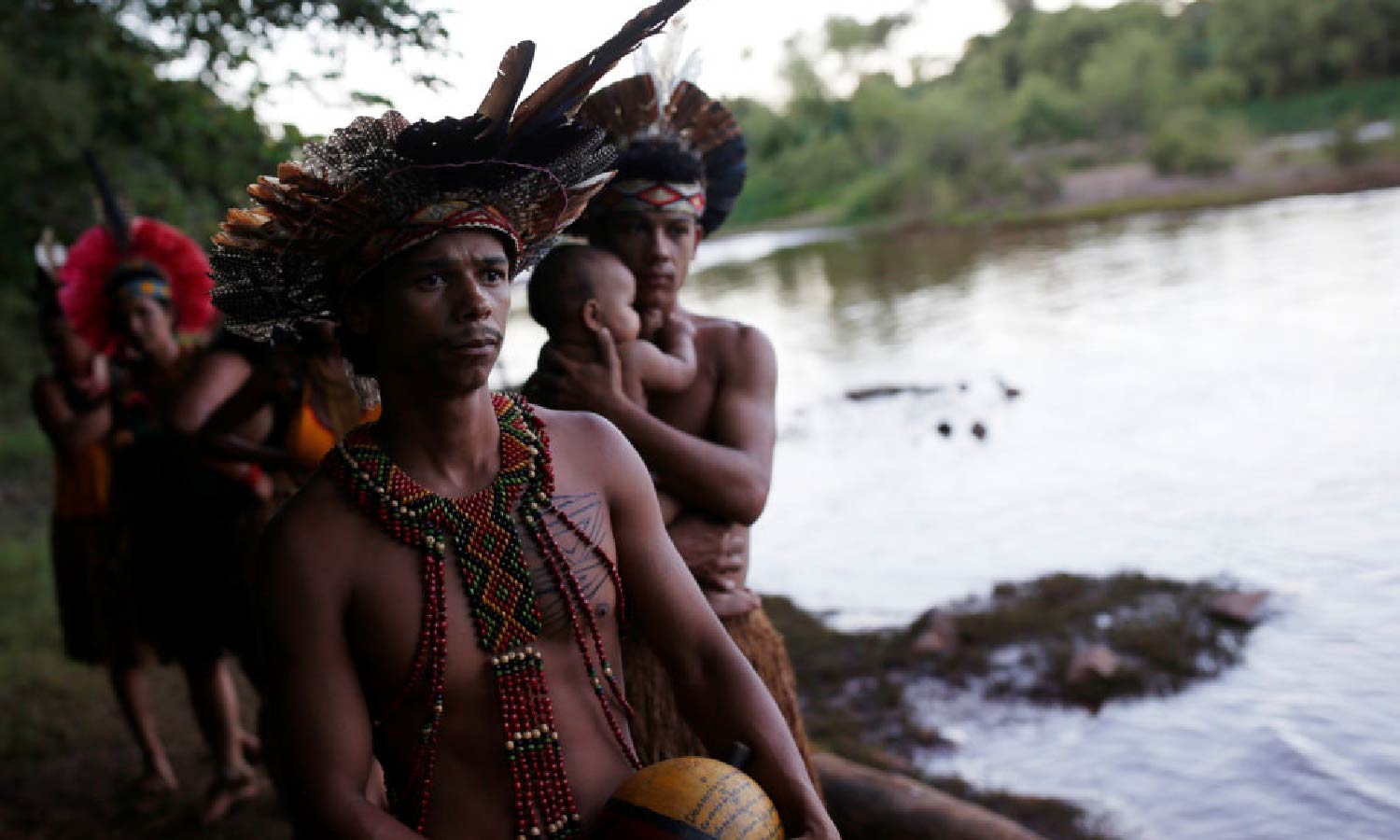
The Americas are the ancestral homeland of millions of Indigenous people. In the United States, more than eight million people (2.5 percent of the U.S. population) identify as American Indian or Alaska Native. Nearly 5 percent of Canada’s population identifies as First Nations, Inuit, or Métis. And in Latin America, over eight hundred different Indigenous peoples constitute a population of roughly fifty million (8 percent of the subregion). Bolivia has the region’s largest proportion of Indigenous people—over 60 percent. (Latin America is also home to people of Spanish and Portuguese descent, due to a centuries-long legacy of colonialism. It also has one of the largest concentrations of people with African ancestry outside Africa due to a similar legacy of slave trade.) The relationships between Indigenous tribes and national governments vary. The United States recognizes five hundred sovereign Indigenous nations. Around two hundred groups live in voluntary isolation in countries like Brazil and Peru. Others have moved to large urban settlements in Quito, Ecuador, or Winnipeg, Canada. Historically, many Indigenous people were forcibly assimilated. Today, inequalities persist. Across the Americas, Indigenous peoples suffer extreme poverty, higher levels of violence, and scarce access to quality education.
2. Spanish Is the Most Common Official Language
There are more than five hundred Indigenous languages spoken across the Americas. But one of the most dominant languages—spoken almost everywhere in the region—is Spanish. Spanish is either the official or national language in over twenty Latin American countries. (One exception is Brazil, where the majority of people speak Portuguese. Brazil accounts for roughly a third of Latin America’s population, making Portuguese another popular but more concentrated language.) On a global scale, Spanish is the world’s fourth most spoken language. However, Spanish is also the world’s second most spoken native language—behind only Mandarin. (Spanish has over one hundred million more native speakers than English.) In the United States, which recently made English the official language, over forty million people (roughly 13 percent of the U.S. population) speak Spanish. But the United States is slowly becoming the largest Spanish-speaking country in the world. Over half of all American high school and college students choose to learn the language. By 2050, an estimated one in three people in the United States will speak Spanish.
3. Latin America Is Less Catholic, but Still Christian
Christianity is by far the most prevalent religion in the Americas. In Latin America, Catholicism is its most popular denomination. For most of the twentieth century, 90 percent of Latin Americans identified as Catholic, and in 2013, almost 40 percent of the world’s more than one billion Catholics came from the region. Catholicism’s numbers, however, are declining in the Americas. Despite the 2013 election of Pope Francis, the first pope from the Americas, just over 50 percent of Latin Americans now say they are Catholic. Meanwhile, over 20 percent of Latin Americans now identify as Evangelical—a major regional religious shift with political ramifications. In countries like Brazil, for example, Evangelicals—the country’s fastest-growing religious group—provided fervent electoral support for right-wing politicians like former President Jair Bolsonaro. Most evangelicals favor a conservative agenda on sexual and family values, introducing bills in Brazil’s Congress that would criminalize same-sex marriage, for example.
4. More and More People Are Aging
For decades, Latin American countries had relatively young populations, contributing to large workforces and growing economies. But the region’s demographics are beginning to shift. In the coming decades, Latin America will have more older people than younger people. Some countries, including Argentina, Brazil, Chile, Costa Rica, and Uruguay, are already aging. (By 2050, roughly one in five people in Latin America will be older than sixty-five—twice as many as today.) But unlike Europe, which also has an aging population, much of the Americas lacks a strong financial safety net, which can fund increasingly expensive health-care and pension systems. Right now, most of Latin America has the “Goldilocks” of populations—not too young nor too old. Many working-age people can save and invest money during the most productive years of their lives. Experts say governments need to create the right conditions for those people to generate wealth before getting old, as well as improve education and ensure good jobs exist. But young people are leaving Latin America, especially the Central American countries of El Salvador, Guatemala, and Honduras. Most jobs there are low-paying and exist in the informal sector, meaning workers pay no taxes and receive no benefits. And getting a good education is difficult, leaving rates of young people who neither work nor study—known as ninis in Spanish—as high as 20 percent.
5. Health-Care Coverage Varies Sharply
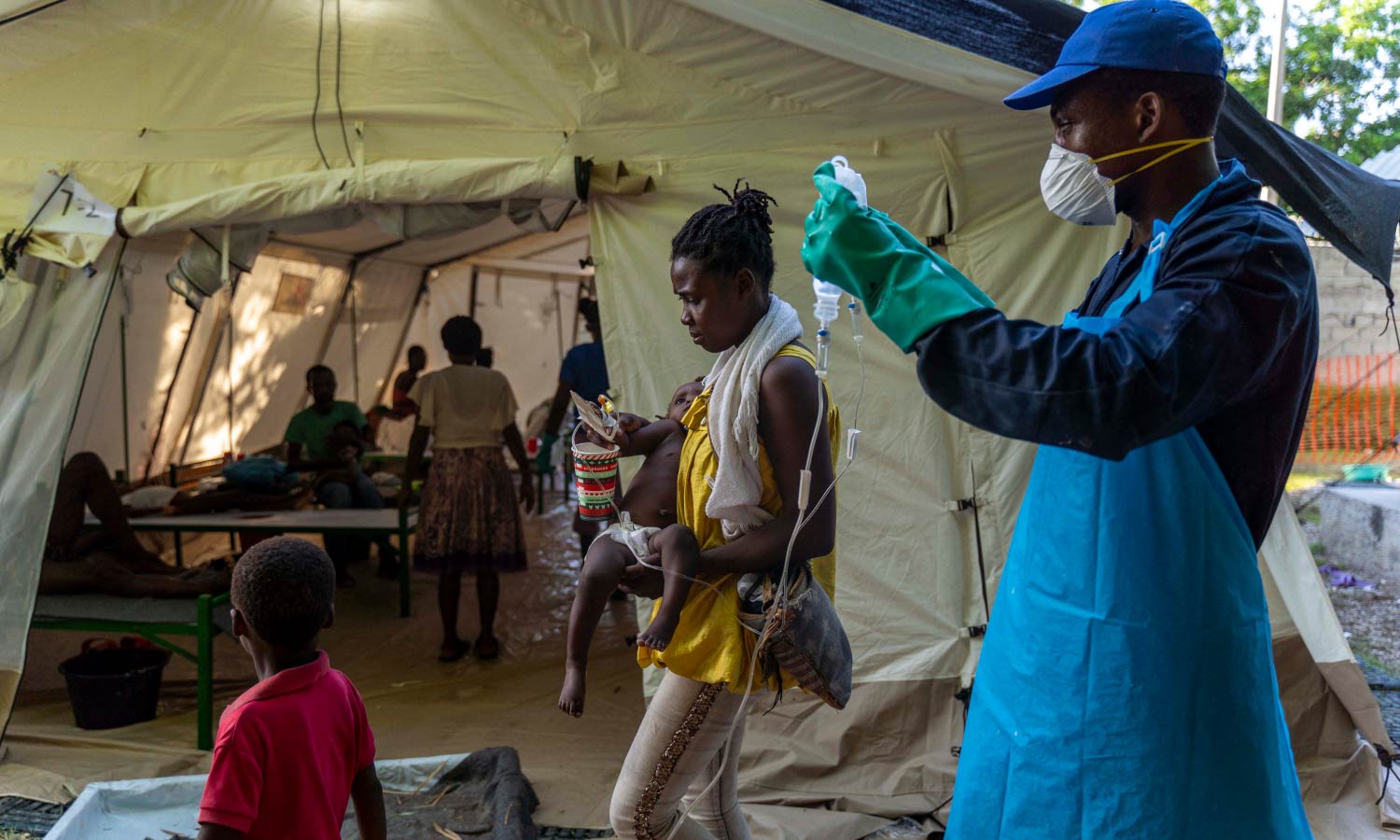
The Americas feature a spectrum of health-care systems. In Canada and Costa Rica, the government fully funds health care. Consequently, the two countries have some of the region’s best health outcomes, such as high life expectancies and low infant mortality rates. The United States has a mix of systems (insurance offered through private companies and, in part, by the government) that cover different groups of people but leave about twenty-seven million people uninsured. While health outcomes in the United States are generally good, average life expectancy declined from 2016 to 2017 in a trend driven largely by deaths from drug overdose, suicide, and liver disease. Many countries in Latin America—like Chile, Colombia, and Mexico—also offer a combination of public and private insurance options. The percentage of people in the region unable to access health services ranges from less than 5 percent in Uruguay and Colombia to more than 70 percent in El Salvador. Haiti has one of the weakest health-care infrastructures in the region and suffers the worst health outcomes. Since 2010, natural disasters, unrest, and a rare cholera outbreak have overwhelmed the country’s already underfunded health-care network.
6. Women’s Rights Movements Push for New Laws
Women and girls face distinct challenges in the Americas, including maternal and reproductive health risks and high rates of violence. Those issues have roots in everything from legal systems to cultural and historical norms. In Latin America, where rates of violence against women are especially high, some experts point to a lack of legal repercussions for offenders. (For example, only 1 percent of femicide cases in Mexico result in sentences.) Some researchers also suggest that the idea of “machismo” in Latin American culture perpetuates violent stereotypes against women. Recent movements throughout the Americas have called for governments to address the treatment of women. The Not One Less (Ni Una Menos) movement, for instance, spread through Latin America after a pregnant fourteen-year-old girl was murdered by her boyfriend. The Green Wave (Marea Verde) reproductive rights movement emerged from Not One Less, calling for legal and safe access to abortions. (Two years later, Argentina legalized abortion. Colombia, Ecuador, and Mexico also expanded abortion access.) In the United States, the #MeToo movement sparked global discussion about sexual harassment and assault, leading to new legal protections in the workplace.

7. Hollywood: American Entertainment Has a World Audience
Few countries export culture like the United States. From the New York Yankees to McDonald’s, American brands are globally recognizable. But perhaps the country’s most dominant cultural export is its entertainment—particularly its film industry. From Hollywood to Netflix, American movies sell tickets and subscriptions around the world. The Motion Picture Association estimates that if the United States’ television and film industry was a country, it would rank forty-eighth in the world for GDP. (In 2022, the industry accounted for nearly $280 billion in sales.) That silver screen supremacy came from a combination of labor conditions and international talent, which helped turn southern California into the world’s film capital by the 1920s. After World War II, American movies became an even larger national export—reaching more audiences as the United States continued to enjoy competitive advantages in cinema technology, investment, and expertise. Today the United States finances and makes more movies annually than any other country. (In 2024, according to one source, the United States released over one thousand movies; China released the second most with just over four hundred.) Of course, the United States is not the only regional home for film. Brazil and Mexico represent other cinematic capitals in the Americas, each with a storied history in the art.

8. Latin America Is a Music Tastemaker
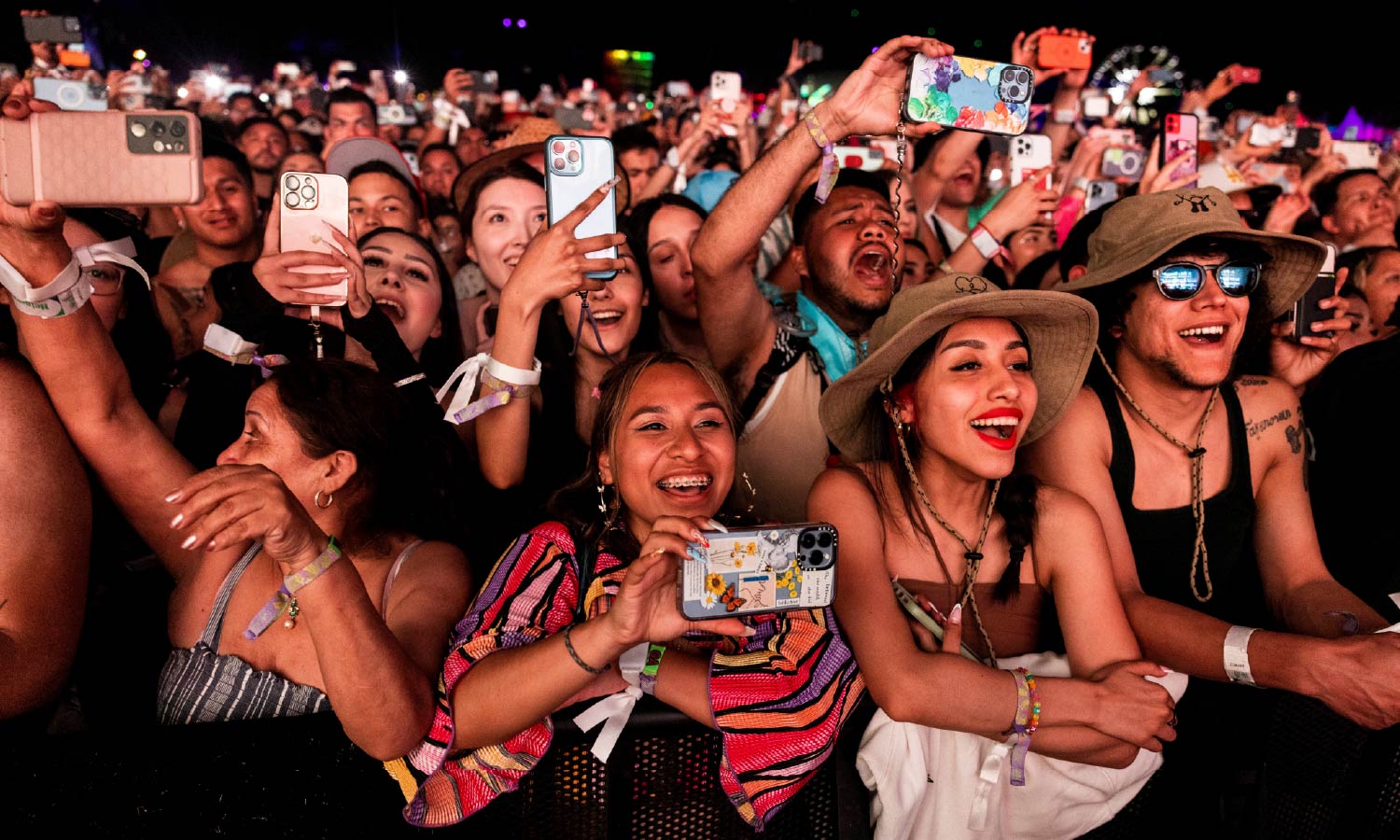
American music has also enjoyed an outsized global influence. But many trends popularized by artists in the United States originate in Latin American music traditions. That music is a mix of both regional, as well as African and European influences. Popular genres like reggae (originating in Jamaica) and salsa (originating in Cuba) have gone from regional styles to internationally recognized sounds. Reggae’s influence, for instance, spread to major cities in the United States and Europe, inspiring many artists (including The Notorious B.I.G. and Rihanna) in diverse genres. One of the most popular global styles today is reggaeton. Once an underground genre, modern reggaeton draws influence from several traditions—including Panamanian reggae, Jamaican reggae and dancehall, Cuban salsa, New York hip-hop, and Puerto Rican bomba. Popular Puerto Rican artists Daddy Yankee and Bad Bunny have helped turn the reggaeton genre into a worldwide phenomenon. Reggaeton has even been called “the sound of global pop.”
9. A Region of Carnival Celebration
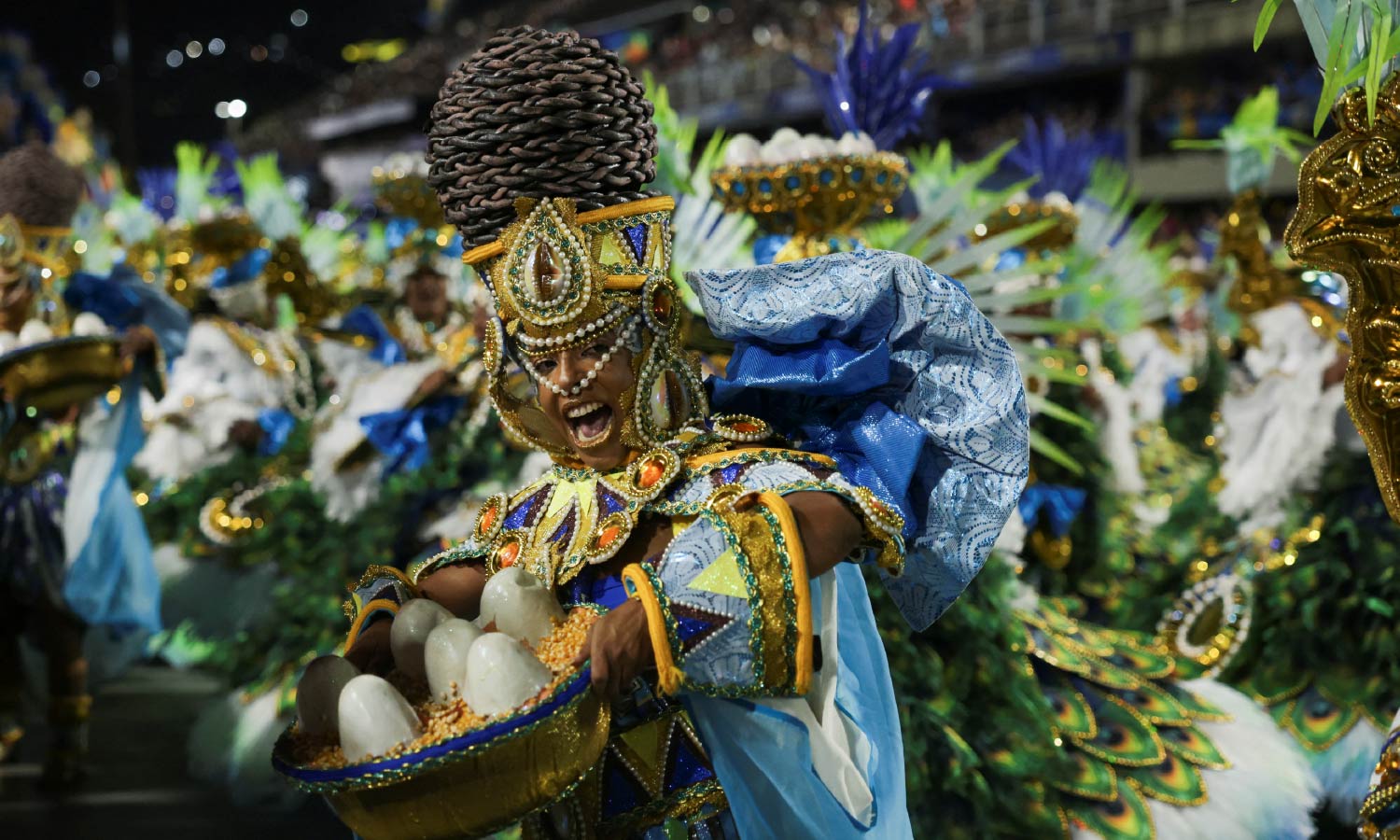
Carnival celebrations are common across the Americas and typically celebrate the transition between seasons. In the Americas, a region with many Christians (and, in particular, Catholics), Carnival marks the transition into the season of Lent. In New Orleans, Louisiana, Mardi Gras—the final day of Carnival—takes place on the Tuesday before the start of Lent, the last day before the religious season’s fasting. (Mardi Gras is French for “Fat Tuesday.”) At the same time in Trinidad and Tobago, Carnival-goers take to the streets, wearing masks and colorful costumes. (Carnival traditions there have roots in rebellion against enslavement.) Outside the Caribbean, Carnival parades in Bolivia (Carnaval de Oruro) and Colombia (Carnaval de Barranquilla) attract millions every year. But nowhere is Carnival bigger than in Brazil. Although it was imported by Portuguese colonizers, Carnival took on its own regional form, inspired by Brazil’s Indigenous and West African culture. Today, dozens of Brazilian cities celebrate Carnival, with the biggest celebration in Rio de Janeiro. The Rio Carnival lasts for almost a week and can draw over fifty million attendees. In 2025, by some estimates, the festivities took in nearly $1 billion for Rio alone.
10. Football Is King in Latin America
While baseball is popular in the United States and the Caribbean (especially in Cuba and the Dominican Republic), in Latin America there is one dominant pastime: football (soccer). The South American Football Confederation (CONMEBOL) governs football in South America. The group represents just 5 percent of the world’s football associations, but CONMEBOL countries have won nearly half of all World Cup championships (ten out of twenty-two)—a testament to the region’s exceptional talent. The sport has been on the South American continent for more than a century, and Argentina, Chile, and Uruguay were among the first countries to create football associations. In Europe, club teams rule, but in Latin America, fan loyalties often lie with national teams. The Copa América, which pits South American national teams against each other, is the world’s self-proclaimed oldest football tournament of its kind. For decades, Argentina and Brazil have been locked in one of the world’s great football rivalries. At times, that patriotic fervor has spilled over from the football pitch. History has labeled the 1969 conflict between El Salvador and Honduras following a series of football matches known as the Football War, despite the fact that the four-day conflict had more to do with immigration and politics.

Learn More


