How Globalization Affects What’s for Brunch
Globalization’s effects can appear where you least expect them—including on your plate.
The food we eat tells a complex story: not only of cultural values and family traditions but also of globalized trade and economics and a supply chain that transports raw ingredients and finished products from one part of the globe to another. Despite the recent popularity of farm-to-table food and eating local, globalization maintains a profound influence on our diets—from the McFalafel on McDonald’s breakfast menus in Egypt to the avocado toasts in the United States.
Explore how an increasingly global trade network created an enormous U.S. market for avocados.
Transcript: Why Are More Americans Eating Avocados?
Look around an American kitchen and you may see an avocado or two. Scroll through Instagram and you’ll see five and a half million.
Over the last four decades, American avocado consumption has grown over one thousand percent.
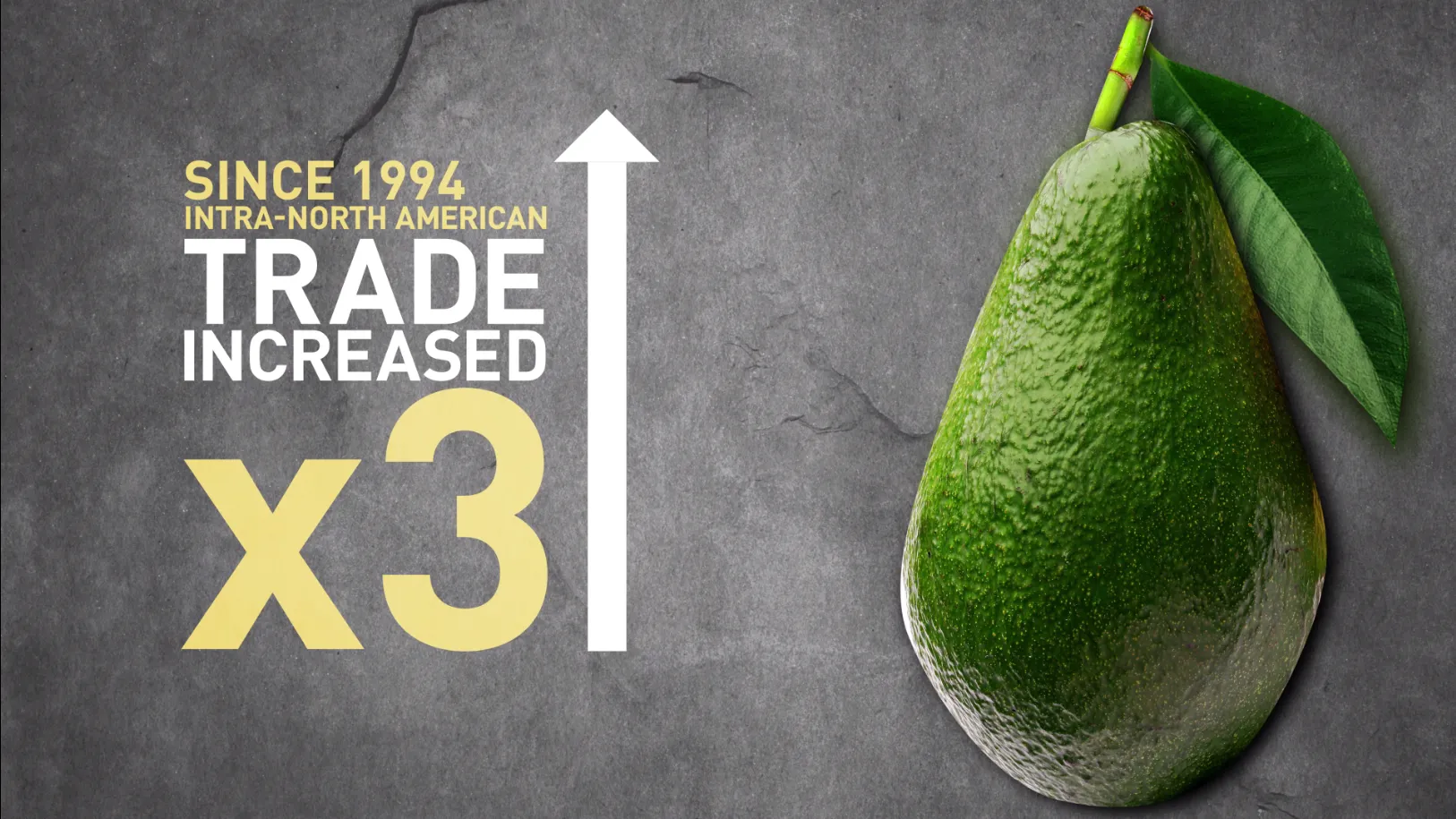
We can trace this exponential rise in part to NAFTA, or the North American Free Trade Agreement, which entered into force in 1994 and eliminated or reduced most tariffs between Canada, Mexico, and the United States.
Americans consume twice as much fruit and three times as many vegetables from Canada and Mexico as they did pre-NAFTA. However, NAFTA has not affected everyone equally, and its consequences remain controversial. While Mexican corn farmers couldn’t compete with the influx of cheap American corn, Mexican avocado producers won big.
Between 2000 and 2015, the percent of imported avocados sold in the United States more than doubled. Nearly all of these imports come from Mexico. In fact, Mexico sends around 80 percent of its avocado exports to the United States.
In 2016, Mexican workers went on strike over low wages, and avocado imports to the U.S. plummeted, from about 40 million to 13 million pounds a week.
The shortage was exacerbated by a drought and heat wave in California, which decimated the domestic avocado supply. U.S. avocado prices skyrocketed.
Fluctuating prices aren’t the only casualty of an unpredictable global supply chain. For example, to keep up with demand, farmers have turned to illegal deforestation to clear space for avocado orchards. This is a lose-lose, as avocados require an immense amount of water to grow, further devastating the climate.
What’s more, drug cartels, lured by the fruit’s status as “green gold,” have entered the avocado market, profiting accordingly.
More recently, the Trump administration has proven ambivalent to NAFTA, prompting questions about its future and potential effects on the price and availability of goods to which Americans have become accustomed.
In addition to the hungry but uncertain market to the north, Mexican growers have started to look East. And their eyes are trained on China, where demand for avocados has grown spectacularly. In 2010, Chinese imports of Mexican avocados were valued at $4,000. In 2015, they were worth at least $24 million.
Avocados may soon become as common in Chinese kitchens as they are in American ones. And a significant change to NAFTA could again make avocados an extreme luxury item in this country. So Instagram that avocado toast while you can.
Learn More


