Modern History and U.S. Foreign Policy: Sub-Saharan Africa
From European colonialism to independence movements and beyond, learn how foreign influence and history have shaped the region.

For centuries, sub-Saharan Africa was home to prosperous empires that made groundbreaking advances in architecture, mathematics, and metalworking.
By the end of the fifteenth century, Europeans had begun arriving in the region, seeking resources—such as gold, copper, and rubber—and enslaving people. Europeans enslaved more than twelve million Africans between the sixteenth and mid-nineteenth century, killing nearly two million in the process.
The slave trade abated by 1870, but a new era of European involvement in sub-Saharan Africa began shortly after: the age of colonialism. By 1914, European powers controlled almost 90 percent of the continent, often through violence.
But the modern history of the region is not a story of passive exploitation. Twentieth-century sub-Saharan Africa also saw wave after wave of resistance to colonial rule. Independence movements—sometimes bloody, sometimes peaceful—followed long and hard-fought battles with colonial powers.
U.S. relations with sub-Saharan Africa date back to the transatlantic slave trade era, even before the United States’ independence. Since then, U.S. interest in the region has waxed and waned. The United States did not seek to establish the same colonial presence in Africa as Europe during the nineteenth century. However, as the Cold War broke out after World War II, the United States and the Soviet Union both jockeyed to bring the newly independent countries within their respective spheres of influence, sometimes even intervening in the region’s conflicts to do so.
U.S. interest in sub-Saharan Africa spiked again in the twenty-first century. After the September 11, 2001, terrorist attacks, combating terrorism became a core U.S. priority. In sub-Saharan Africa, that often meant working with local governments to fight terrorist groups operating in parts of the region.
Today, sub-Saharan Africa continues to face challenges stemming from the legacies of its colonial history and decolonization. Meanwhile, global powers— including China, Russia, and several Middle Eastern countries—are looking to expand their influence.
What other events have shaped this part of the world?
Here are some of the most important moments in the history of the region—and of U.S. foreign policy toward it—that have shaped events in sub-Saharan Africa for over a century.
1200s - 1600s
Mali Empire Flourishes
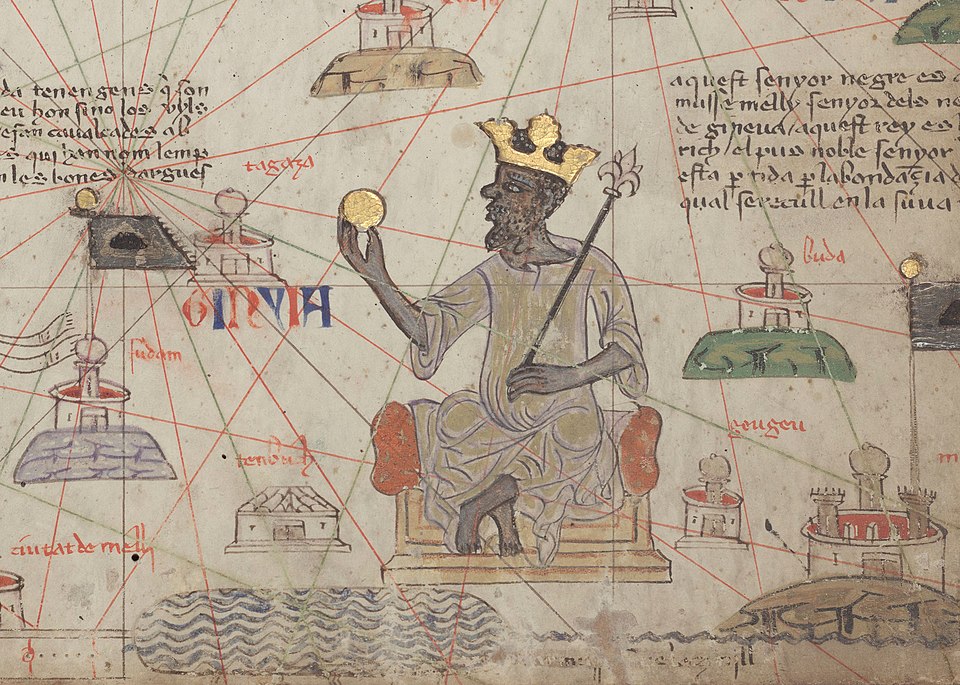
Several African kingdoms thrived in the Middle Ages. One of the most influential was the Mali Empire, which spanned modern-day Gambia, Mali, Senegal, and parts of Guinea and Mauritania. The empire flourished thanks to Mali’s salt and gold deposits: it’s believed Mali controlled nearly half of the world’s gold supply at the time. But the Mali Empire didn’t rely on just one resource. It also benefited from an open trade market that stretched across the region. The trans-Sahara trade route connected resource-rich West Africa to the Mediterranean and the Middle East, spreading goods and culture. Trade was so important to the region’s economy that trade restrictions prior to the Mali Empire caused a rebellion. The Mali Empire reached its peak under Mansa Musa I, who is considered one of the richest people in history. Musa spent the empire’s gold generously, especially on a legendary pilgrimage to Mecca, Islam’s holiest city, during which stories of his immense wealth spread to Europe. Under Musa, the empire built libraries, schools, and mosques. During his rule, the Malian city of Timbuktu became one of the medieval world’s most prominent educational centers.
1500s - 1800s
Trans Atlantic Slave Trade Forces Millions to the Americas
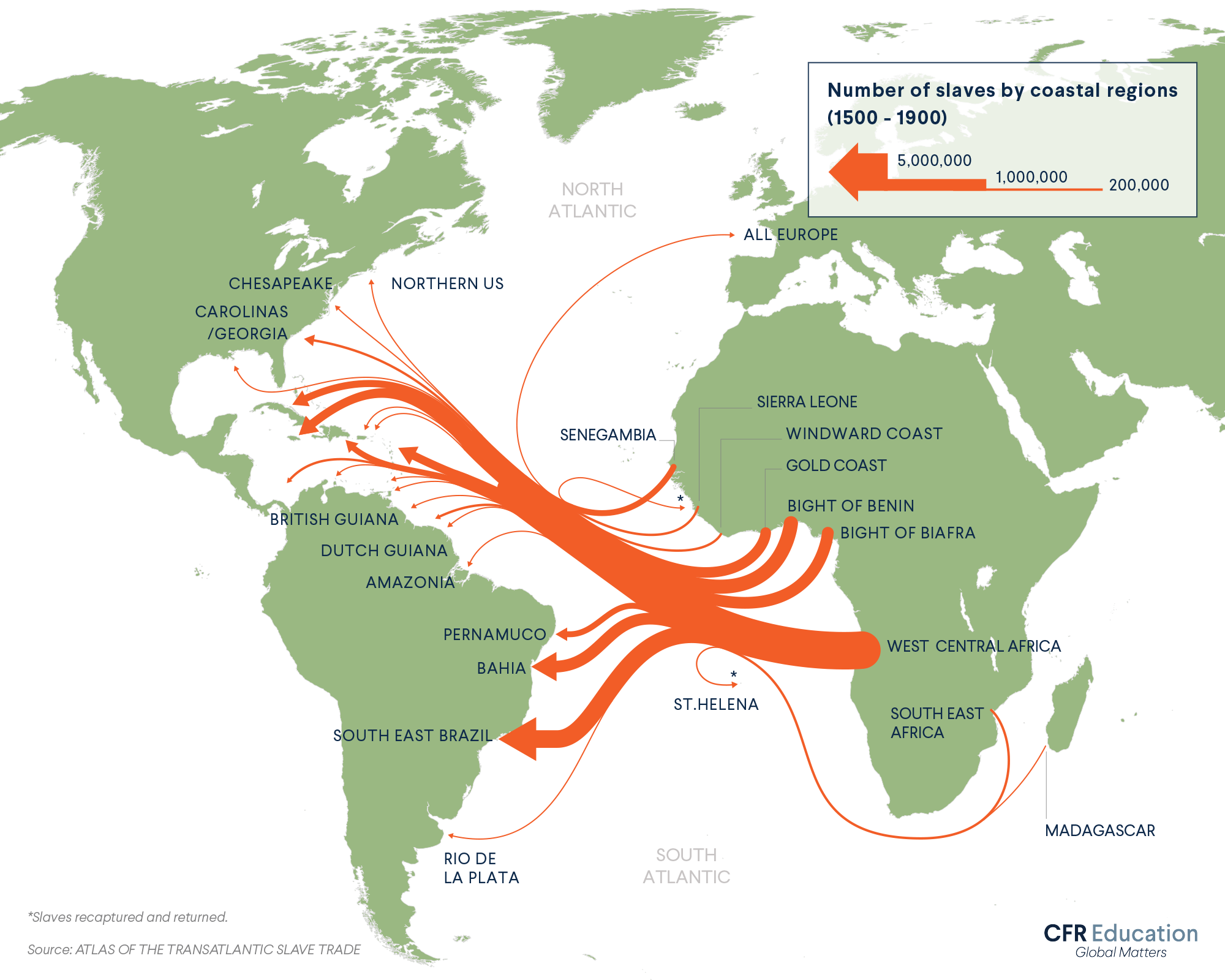
Europeans began arriving in sub-Saharan Africa at the end of the fifteenth century. They were first driven by a desire for gold, inspired partly by the rumors of Musa’s wealth. But as Europeans began exploring and colonizing the Americas, they began looking to Africa as a source of forced labor. Slavery had been practiced all over the world, including in sub-Saharan Africa, for centuries. But the arrival of the Portuguese in the early 1400s marked the beginning of the transatlantic slave trade, when African people were taken, sold into slavery, and forced to migrate to the Caribbean and the Americas—or killed in the process. Brazil became the last western country to abolish slavery in 1888. By that point, an estimated 12.5 million people had been enslaved and taken from Africa, and 1.8 million had died during the voyage. The slave trade tore apart families and communities and contributed to economic, social, and political instability. Other analysts have also suggested that, had slavery not occurred, as much as 72 percent of the income gap between modern African states and the rest of the world would not exist.
1884
European Powers Divide Region
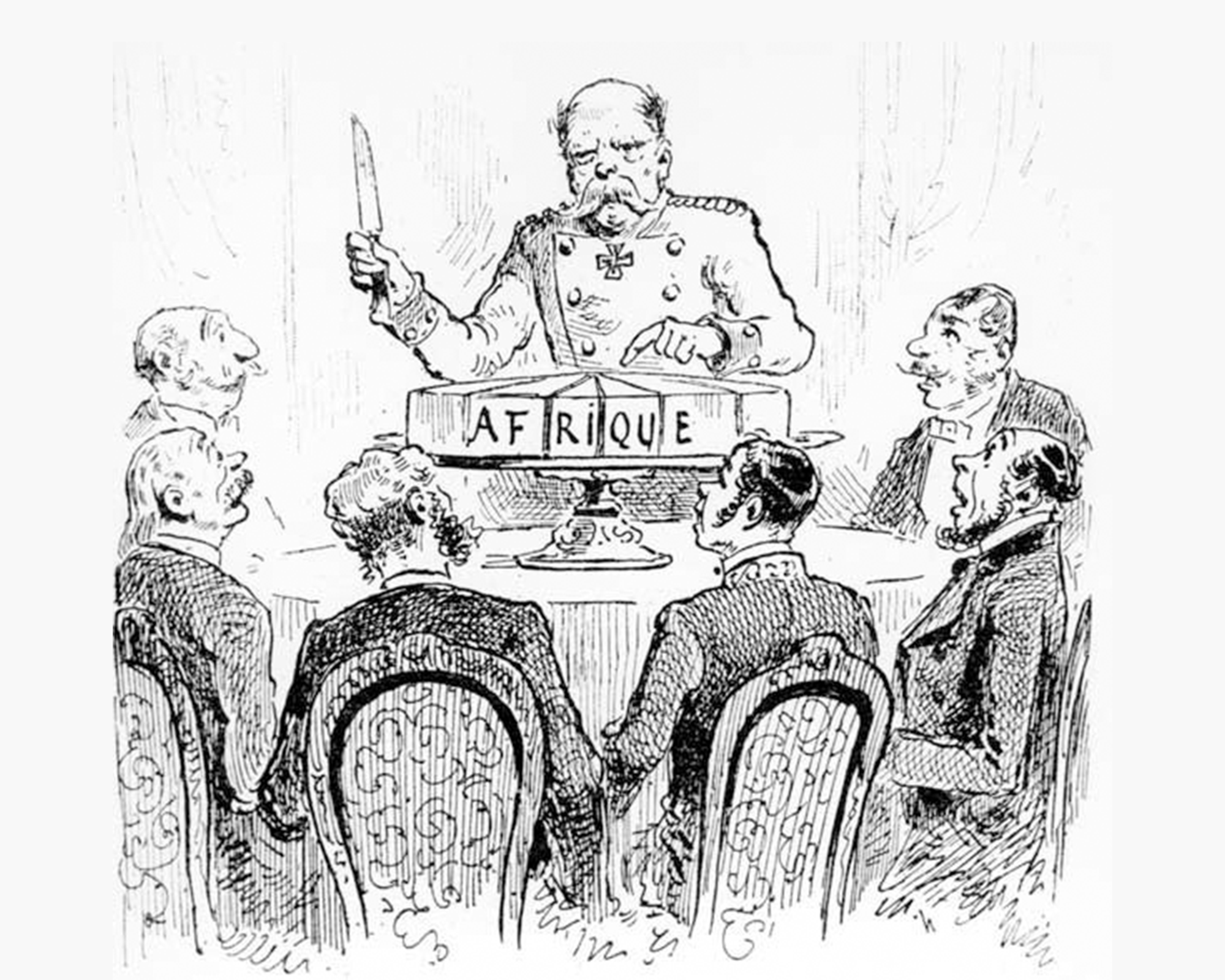
In the late 1800s, representatives from fourteen countries—including Belgium, France, Germany, and the United Kingdom—met in Berlin. The goal of the conference: discuss how to divvy up Africa and its resources. European powers had been present in Africa for centuries. But around the 1870s, amid the Industrial Revolution, European powers began rapidly expanding their colonial presence. The Berlin Conference simply formalized that new imperialism. To avoid a power struggle among themselves, representatives at the conference began drawing formal colonial boundaries in Africa. By 1914, European powers controlled almost 90 percent of the continent. Their rule upended life in Africa, changing borders, forms of government, religions, and languages. But not all European powers ruled their African colonies in the same way. Some sent Europeans to run colonial governments and others promoted locals loyal to European administrations. Many employed extreme violence. In German southwest Africa, for example, German forces responded to an uprising by committing genocide against the Herero and Nama peoples. And in the Congo, Belgian King Leopold II oversaw the murder of at least ten million Africans. Most colonial powers also relied on a principle called divide and rule, a strategy based on taking advantage of existing rivalries to maintain control. The legacy of that strategy is still evident today as sub-Saharan Africa continues to struggle with internal conflict and civil wars.
1896
Ethiopians Resist Colonization
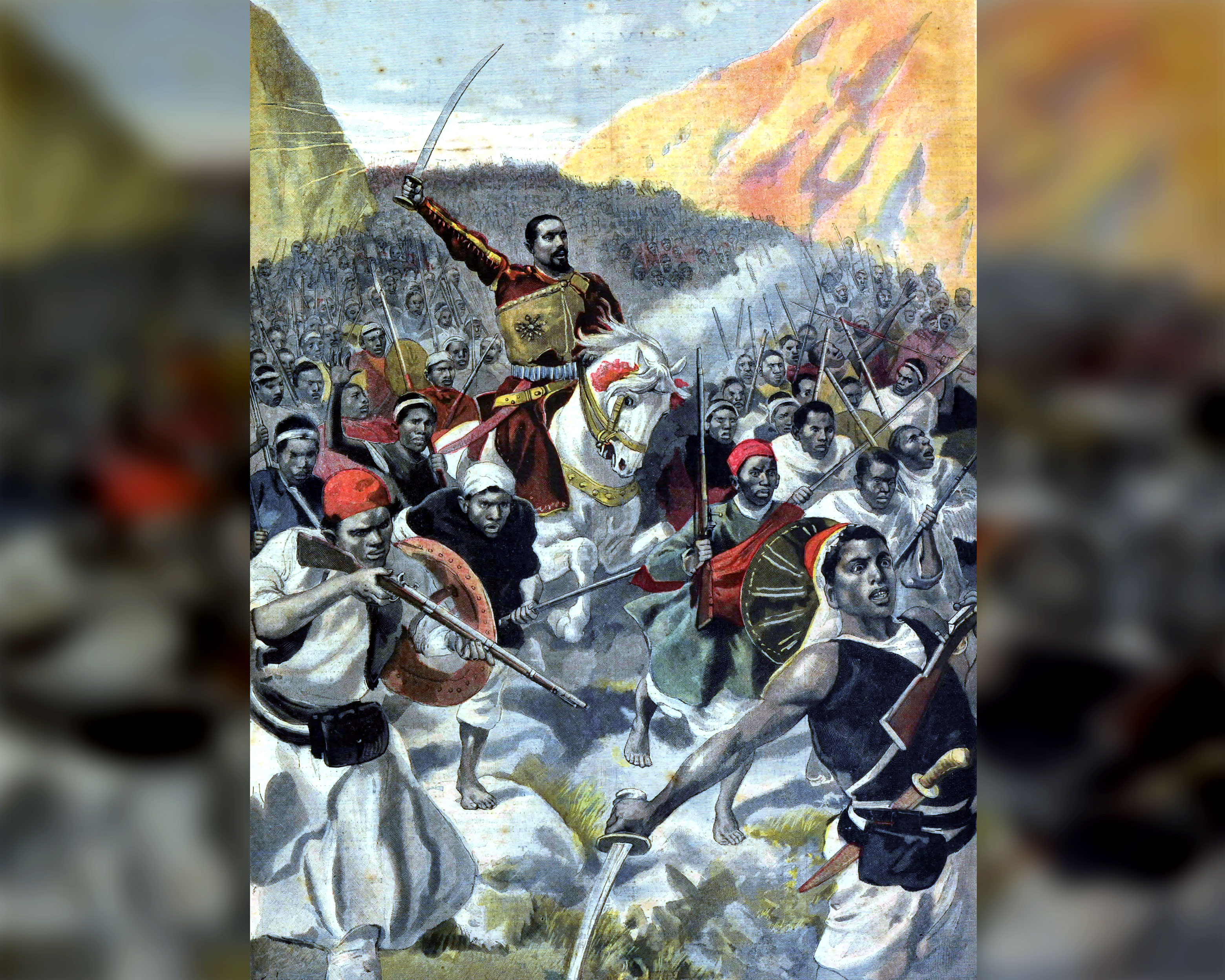
Italy’s colonial ambitions emerged later than those of other European powers. Italian colonialists began in the Horn of Africa, taking over much of modern-day Somalia and colonizing Eritrea. Italy had friendly relations with Ethiopia, which had originally controlled Eritrea. It even signed a treaty with Ethiopia's Emperor Menelik II. The treaty recognized Italy’s claim to Eritrea in exchange for arms and money to Ethiopia. But Menelik rejected Italy’s interpretation of a portion of the treaty that seemed to make Ethiopia an Italian protectorate. Italy’s ultimate goal was to colonize Ethiopia. So Menelik assembled an army. He marched his army across more land than French General Napoleon Bonaparte did during his 1812 invasion of Russia. Menelik’s forces then crushed Italy’s front; attacked an Italian fort, forcing it to surrender; and routed the remaining Italian troops. Ethiopia’s centralized government, its access to European military technology, and its superior military tactics led to Italy’s retreat and later recognition of Ethiopia’s independence. In following decades, Ethiopia’s subsequent emperors also went on to form a sizable African empire through several military campaigns. That victory not only kept Ethiopia independent from colonial rule, but it also served as a powerful symbol of African resistance in the region, laying the groundwork for independence movements in the decades to come.
1940 - 1945
Africans Fight Alongside Colonial Powers in World War II
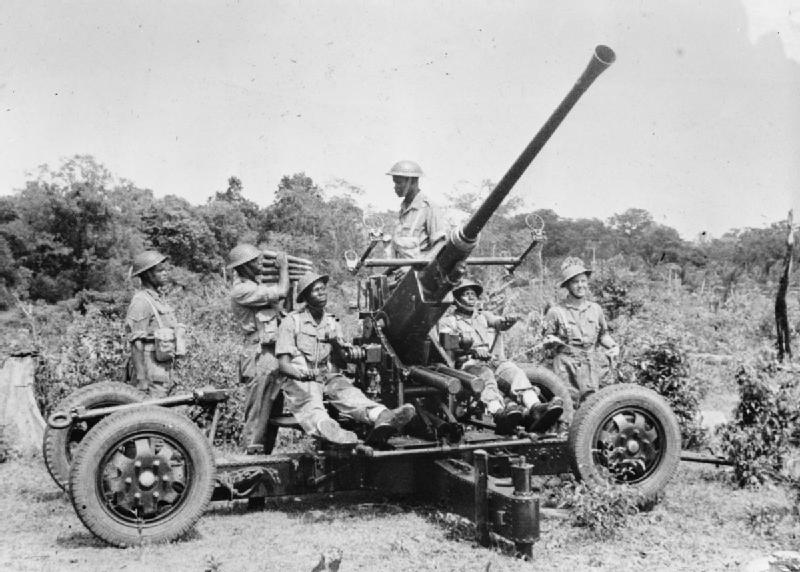
In 1935, Italy once again tried to take over Ethiopia. This time, it briefly succeeded. Italy declared a new empire in East Africa—including Ethiopia, previously occupied Eritrea, and parts of Somalia. When Italy entered World War II in 1940, it took aim at Britain’s colonial territories. Battles occurred in Kenya, Sudan, and then Ethiopia, where local people fought alongside the British. Ultimately, British troops, colonial forces, and Ethiopian resistance forces successfully drove Italy out by 1941. But African participation in World War II extended far beyond Italian aggression. Europe’s African colonies supplied both troops (over a million) and resources for the Allied cause. Why did they fight alongside their colonizers? As citizens of a colony, many were coerced into service. Others volunteered because the pay was better than their current employers’ (although usually still far less than that of white soldiers). But the world wars proved both energizing for African independence and straining for colonial rule. The wars weakened European powers and proved that resistance to colonial rule was possible. They also brought concepts like universal human rights and self-determination to the foreground. In the years following World War II, independence movements gained momentum across sub-Saharan Africa.
1948
South African Apartheid Begins
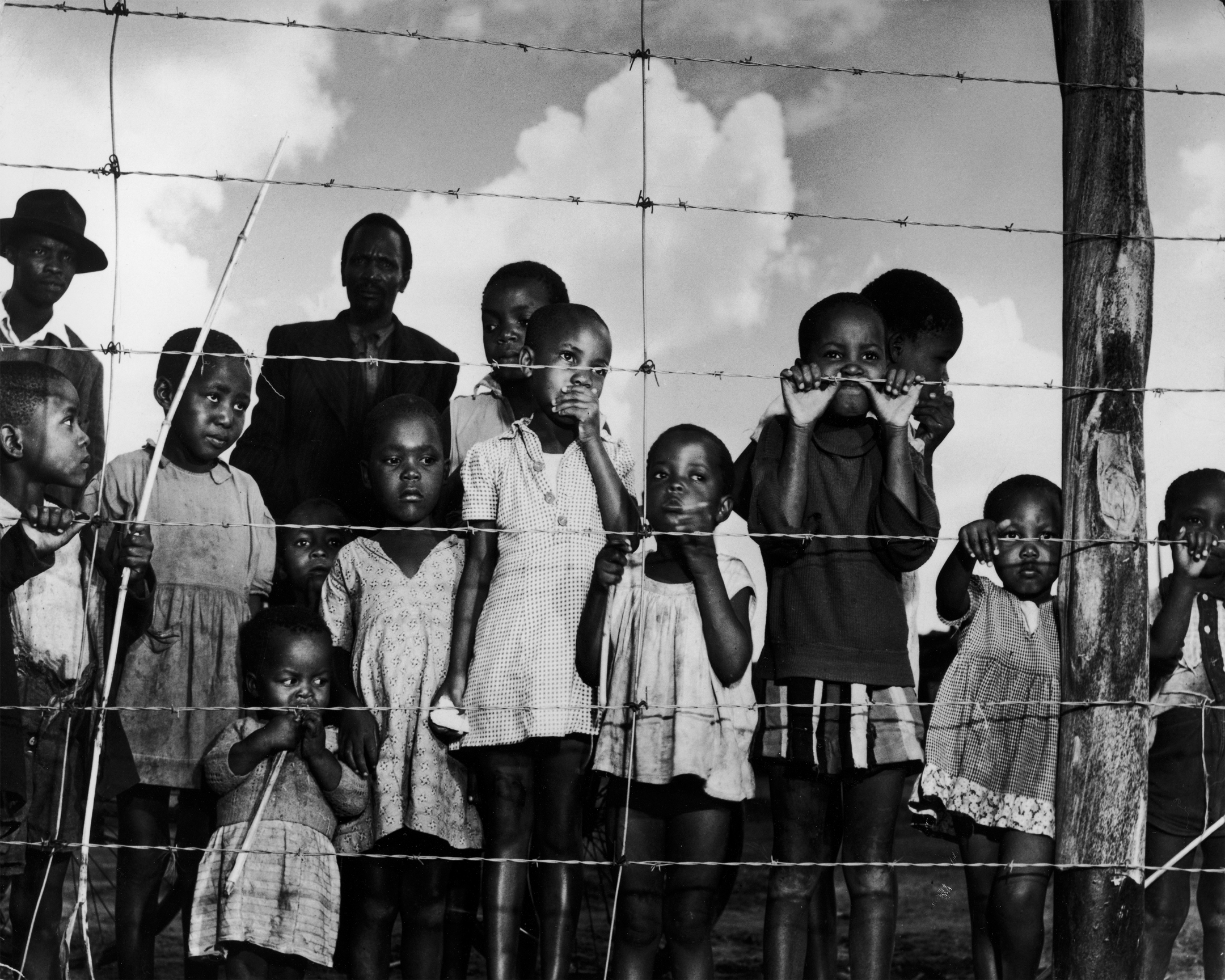
For centuries under Dutch, and then British, colonial rule, white settlers in South Africa established a rigid racial hierarchy, exploiting and segregating the territory’s Black majority. During the twentieth century, many Afrikaners—white South Africans of mainly Dutch descent—advanced nationalist and white supremacist policies that would cement their place atop that hierarchy. In 1948, Afrikaner nationalists took power in an election in which the country’s non-white population was prohibited from voting. During the party’s forty-six-year rule, South Africa’s government made racial discrimination official policy through a system called apartheid (meaning “apartness” in Afrikaans). Immediately after its victory, the government passed laws that classified citizens by race and segregated every aspect of life, including neighborhoods, job opportunities, and relationships. Under those laws, Black South Africans could not vote, live where they wanted, or work most jobs. Many saw their land taken and sold cheaply to white farmers. Non-white citizens were confined to “homelands,” overcrowded and undeveloped territories. South Africa’s apartheid government was not unique in its oppressive rule. The National Party allied with other white regimes in Rhodesia (now Zimbabwe) and the Portuguese colonial governments in Angola and Mozambique, which adopted similar discriminatory policies.
1950s - 1960s
Africans Achieve Independence From Colonial Powers
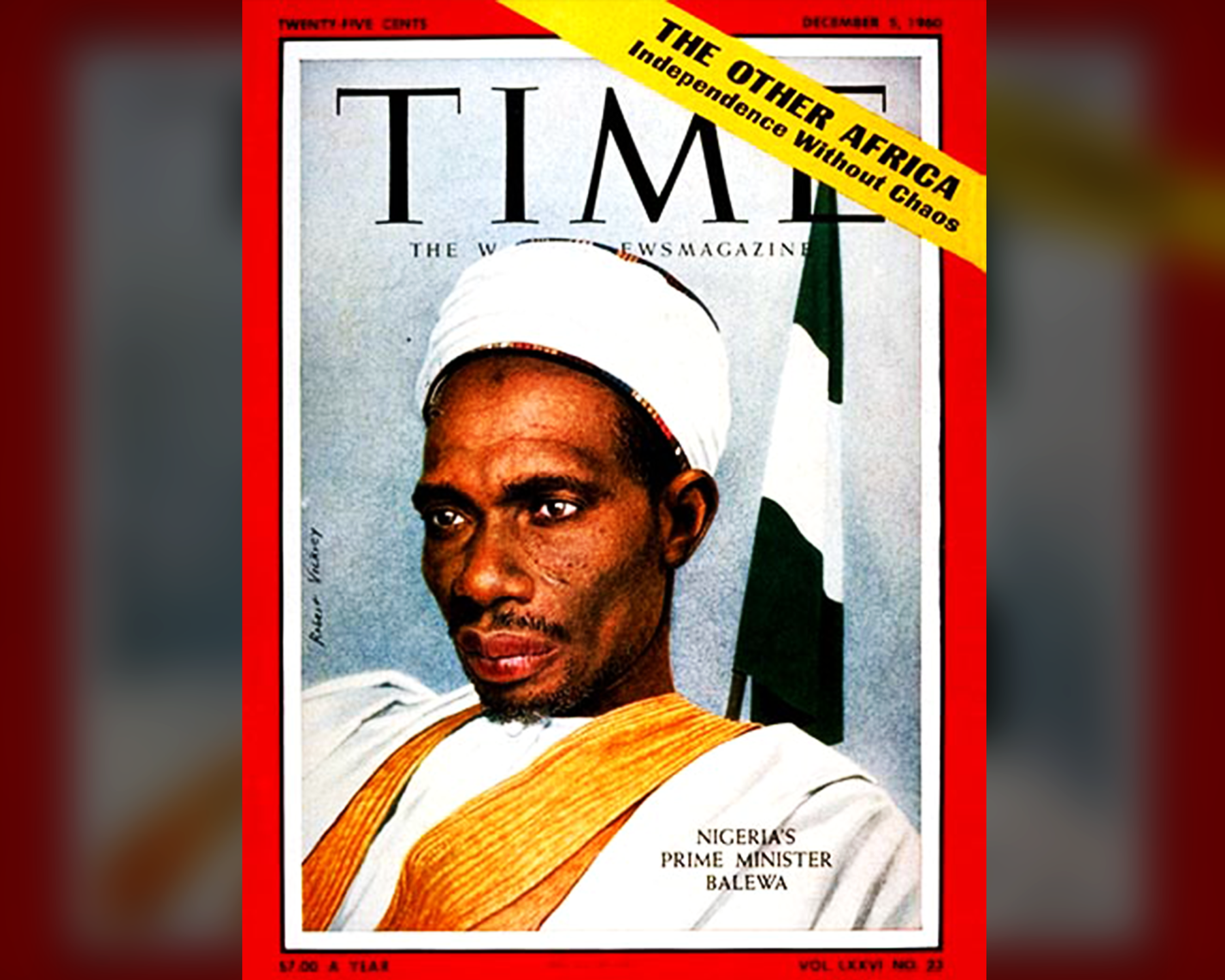
After World War II, European colonial powers in Africa were weakened. Meanwhile, new international bodies like the United Nations had put forth global principles like universal human rights and self-governance. As those ideas mixed with the nationalist, anti-colonial sentiments already brewing in the region, a wave of independence movements swept across sub-Saharan Africa. In 1957, Ghana (then the British Gold Coast) became the first sub-Saharan country to gain independence after a series of protests, strikes, and boycotts against British rule. Following Ghana’s success, momentum toward decolonization grew. In 1960—often called the Year of Africa—seventeen countries declared independence and joined the United Nations: Benin, Burkina Faso, Cameroon, Central African Republic, Chad, Gabon, Ivory Coast, Madagascar, Mali, Mauritania, Niger, Republic of Congo, Senegal, and Togo (all formerly colonies of France); Democratic Republic of Congo (formerly of Belgium); Nigeria (formerly of the United Kingdom); and Somalia (formerly of United Kingdom and Italy). In the following years, several more countries gained independence. In some nations, decolonization was a relatively peaceful process. But in other places, it proved violent. In Kenya, for example, British forces brutally responded to an anti-colonial uprising known as the Mau Mau rebellion, killing tens of thousands of Kenyans.
1960s
Colonial Legacies Linger
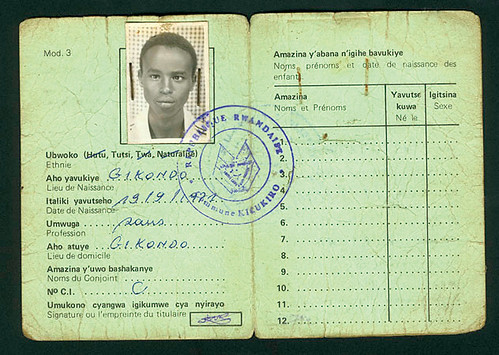
Even though colonial powers were leaving the region, their policies would have lasting effects. In Rwanda and Burundi, Belgian and German rulers had created racial classifications for citizens. People of the Hutu and Tutsi ethnic groups were given identification cards and treated differently by colonial rulers. In Rwanda, colonists had favored the Tutsi minority, believing them to be racially superior. Meanwhile, the majority Hutu were denied political participation. Rwanda and Burundi gained independence in 1962. The following years, however, saw assassinations and ethnic violence between Hutu and Tutsi—divisions deepened by previous colonial practices. In Sudan, British colonists also oversaw ethnic divisions. Partnering with Egypt, the British had split Sudan in two: the north (home to mostly Muslim and Arabic-speaking peoples) and the south (home to more heterogeneous Christian or animist tribes). The British invested more in the Arab north, ignoring southern and western regions like Darfur. They also gave power to select ethnic groups, creating a social hierarchy. In the south, the British divided groups even more, ruling through many tribal leaders to prevent any single group from gaining influence. After independence in 1956, divisions between northern and southern Sudanese led to a series of civil wars. Meanwhile, ethnic hierarchies left regions like Darfur marginalized.
1963
Pan-Africanism Inspires Organizations of African Unity
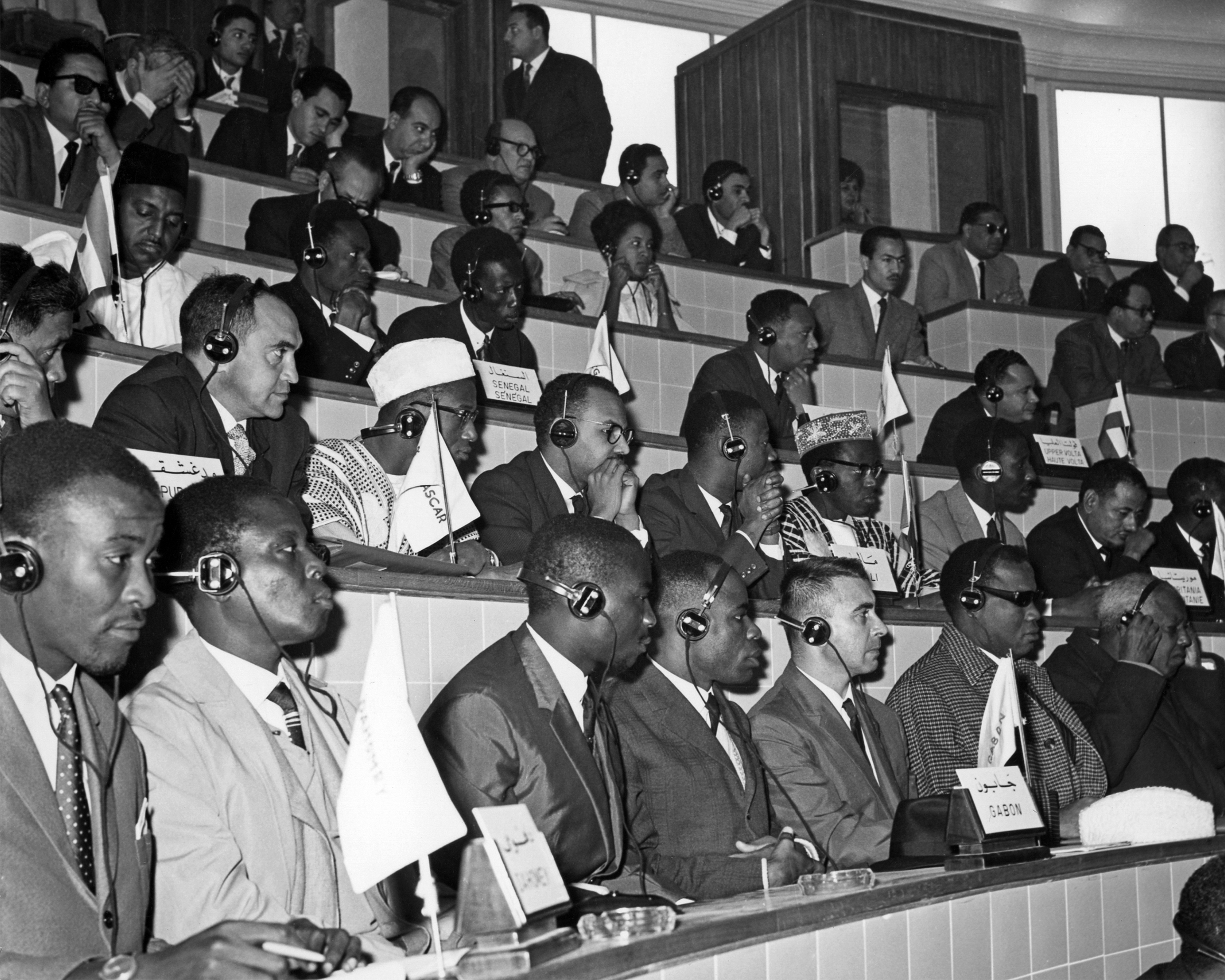
Sub-Saharan Africa’s first postcolonial elected leader—Ghana’s Kwame Nkrumah—called for more than just national unity. He wanted a common market in Africa, as well as a central bank and common currency. Nkrumah believed in a shared identity, uniting all Africans. That idea, called Pan Africanism, dates back over two hundred years. It posits that Africans—both inside and outside Africa—share a common history and future, no matter where they live. During colonization, Black intellectuals across the United States, Africa, Europe, and the Caribbean called for solidarity and unity, believing that Africans could liberate themselves only by helping one another internationally. In sub-Saharan Africa, Tanzania hosted liberation movements from across the region, becoming a central base for African solidarity. Pan-Africanism also served as the foundation of the Organization of African Unity (OAU). Founded in 1963 by the thirty-two independent African nations of the time, OAU aimed to eradicate colonialism from the continent and promote international cooperation. The organization’s legacy lives on in the form of the African Union, a truly Pan-African organization that counts every African country as a member.
1960s - 1970s
Cold War Proxy Wars Destabilize Region
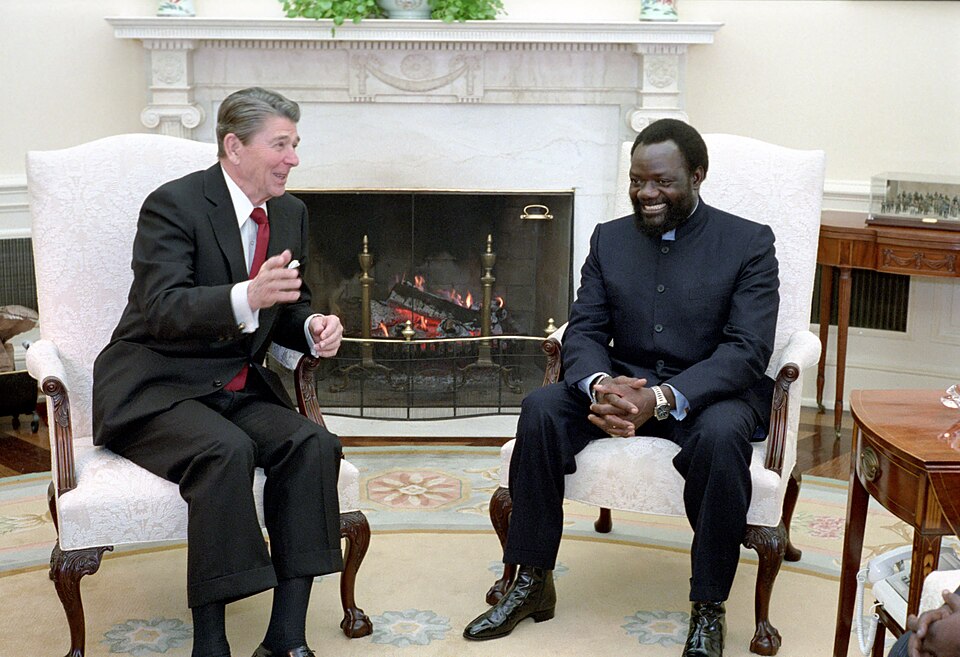
For much of the twentieth century, U.S. policymakers paid little attention to sub-Saharan Africa. That changed as the Cold War intensified and African nations gained independence. Both the United States and the Soviet Union tried to expand their influence in the region by providing military and economic aid to governments supportive of their respective worldviews. In many cases, that led both powers to launch interventions and fuel proxy wars. Angola hosted one such conflict. An alliance between different anti-colonial groups helped the country achieve independence. But that alliance soon broke down into civil war. Multiple factions fought for control, one supported by the United States and another by communist countries, including China, Cuba, and the Soviet Union. Angola turned into a failure for U.S. foreign policy. But elsewhere, U.S.-backed governments would reign for years. For instance, after independence from Belgium, the Congo (now Democratic Republic of Congo) sought foreign help. Patrice Lumumba—the first prime minister of the independent state—faced civil conflict and foreign military intervention. When he turned to the Soviet Union for help, the United States backed a coup against Lumumba that would ultimately result in his assassination. Eight successive U.S. administrations continued to support the coup’s pro-West leader, Mobutu Sese Seko, despite the corruption and human rights violations that defined his time in power.
1970s–1980s
Apartheid South Africa Faces International Scrutiny
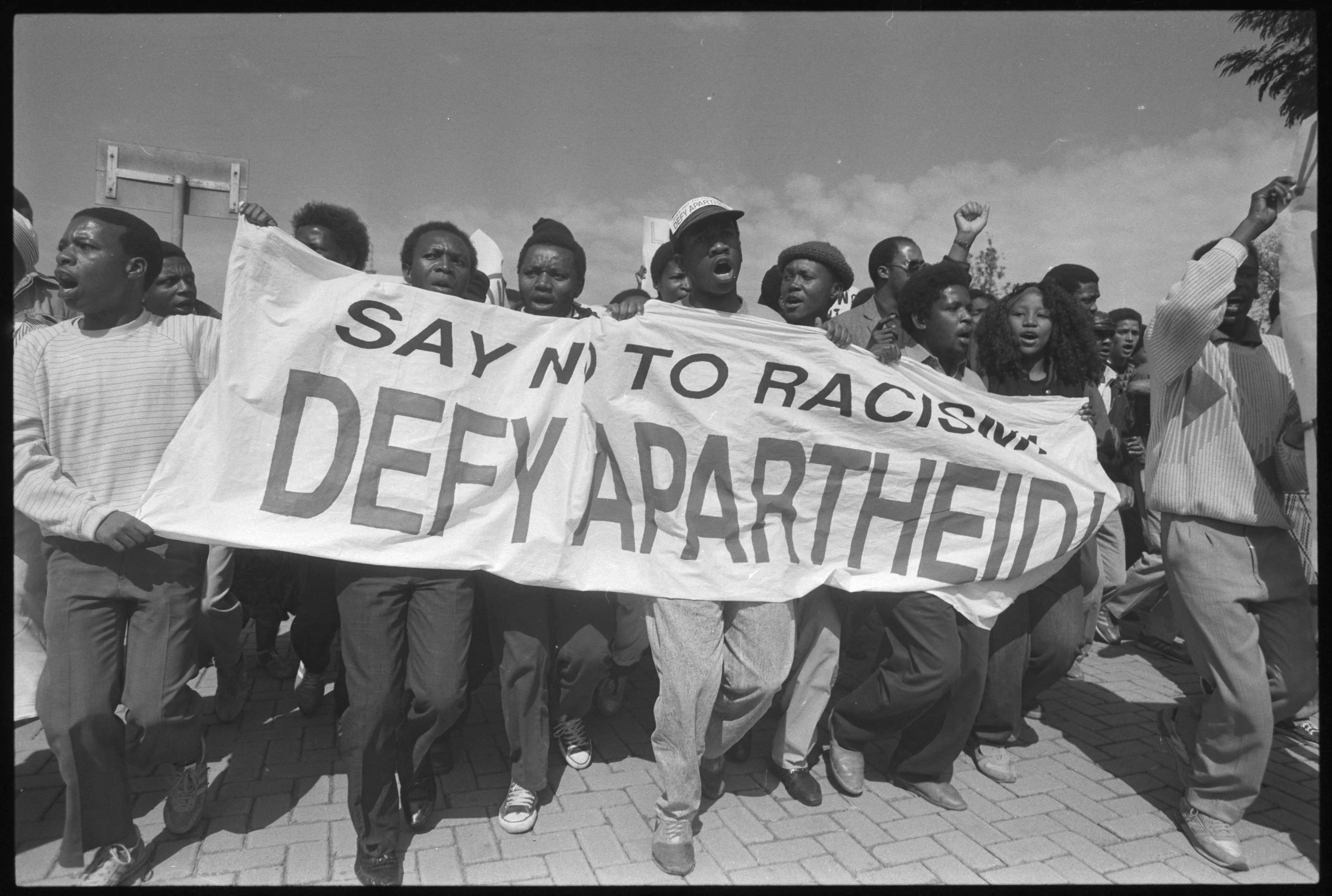
Under apartheid, Black South Africans faced intense segregation and marginalization. South Africa was a special challenge for U.S. policymakers during the Cold War. On the one hand, South Africa strongly opposed communism. On the other hand, its apartheid system contradicted U.S. values like democracy and human rights. The United States never fully supported nor condemned the country’s apartheid state. But during the 1970s, student protests of South African apartheid swept across the United States. That outcry was partly in response to the Soweto uprising in South Africa, a peaceful student demonstration that turned deadly when police opened fire on thousands of Black students. By the late 1980s, global criticism over apartheid mounted, and South Africa faced international sanctions and increasingly frequent boycotts of its goods. At the time, South Africa was also the only African country with nuclear weapons, which it developed secretly in the early 1980s and which intensified international pressure. Facing international isolation—and unwilling to make political changes—South Africa dismantled its nuclear program in 1989—the first time a country gave up its nuclear weapons.
1970s–2000s
HIV/AIDS Spreads Across Africa
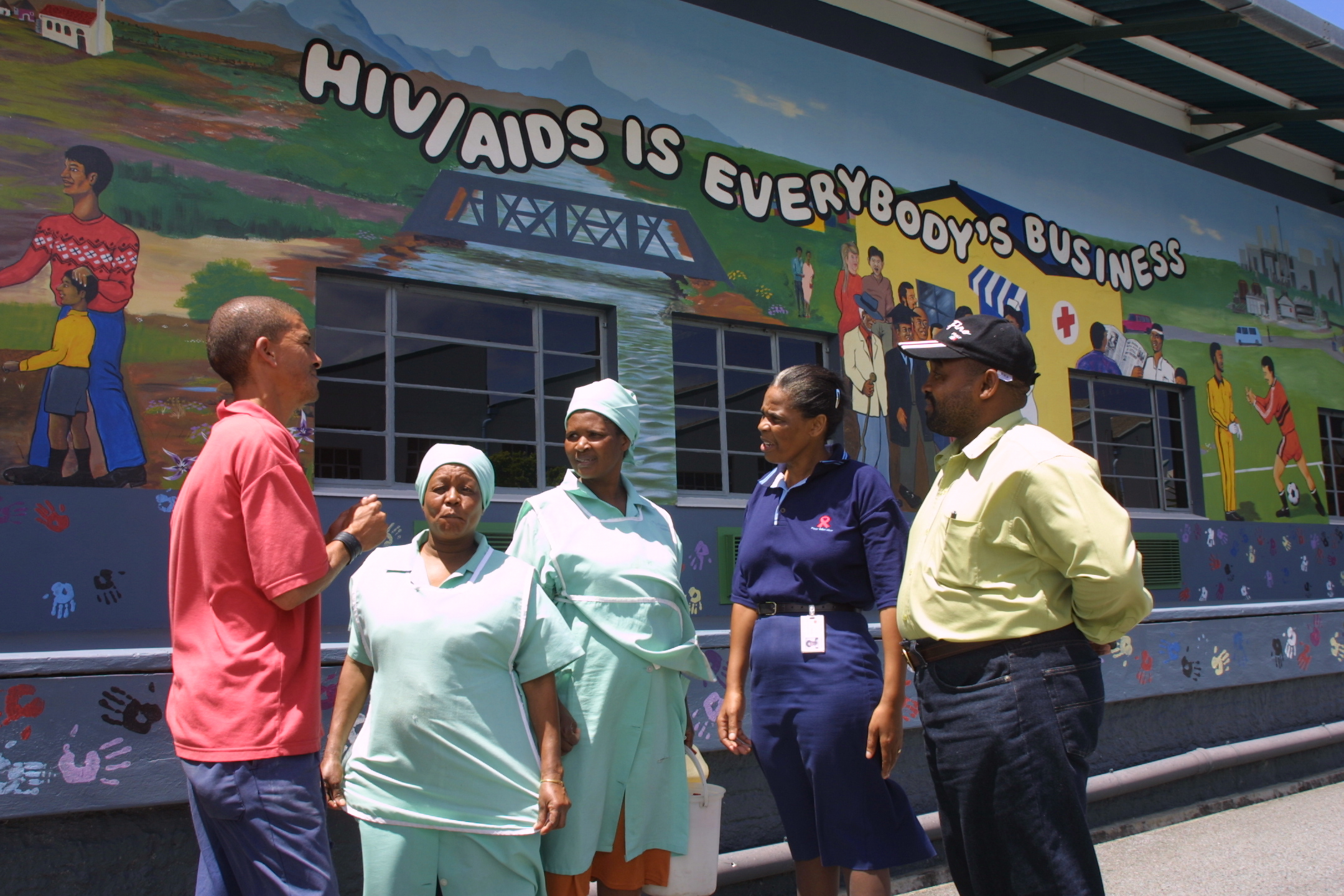
In the early twentieth century, a virus later named HIV-1 jumped from chimpanzees to humans in Central Africa. The first outbreak occurred in the Congolese capital of Kinshasa in the 1970s. By the 1980s, the virus had spread throughout East Africa and into West Africa. Partially due to urbanization and migration, the virus spread especially fast in East Africa. If untreated, HIV infections can cause AIDS, a late-stage version of the infection. AIDS badly damages the body’s immune system, making it vulnerable to other diseases and infections. Because HIV is transmitted through bodily fluids, sex workers saw high rates of infection. Initially, African governments were slow to acknowledge or respond to the epidemic. Confusion about the link between HIV and AIDs, as well as the lack of available treatment, meant that many people did not test for the virus. But social stigma played a large role as well, as HIV/AIDS was associated with sex work, drug use, and homosexuality; indeed, the epidemic was first identified in the United States as predominantly appearing among gay people. In 1989, over five million African adults had been infected, according to estimates at the time. By 2000, an estimated 12 percent of the population in sub-Saharan Africa was living with HIV. Although improved treatments, funding, and increased government attention have dramatically reduced the impact of HIV/AIDS in sub-Saharan Africa in recent years, the disease remains an epidemic, killing hundreds of thousands in the region each year.
1993
Black Hawk Down: United States Questions Involvement in Africa
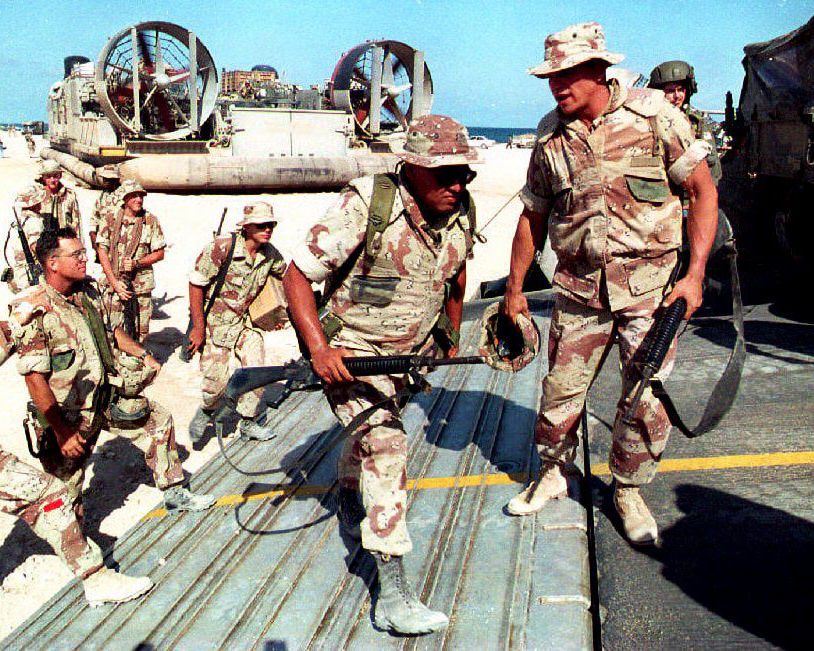
After the fall of the Soviet Union in 1991, the United States shifted its priorities in the region from fighting communism to promoting democracy and stability through humanitarian efforts. But intervening in the region’s civil conflicts to provide humanitarian aid turned out to be a complicated and sometimes dangerous endeavor. During a severe food shortage in Somalia in the early 1990s, the United States sent food aid, only to have it stolen by local strongmen embroiled in a civil war. The United States deployed its military to support its aid deliveries, but Somali militants shot down two U.S. helicopters on October 3, 1993. Eighteen Americans and more than five hundred Somalis died in what is known as the Battle of Mogadishu or Black Hawk Down. Televised images of Somalis dragging the bodies of U.S. soldiers through the streets of Mogadishu prompted public outcry at home and made subsequent administrations wary of intervening in African conflicts.
1994
Rwandan Genocide Shocks World
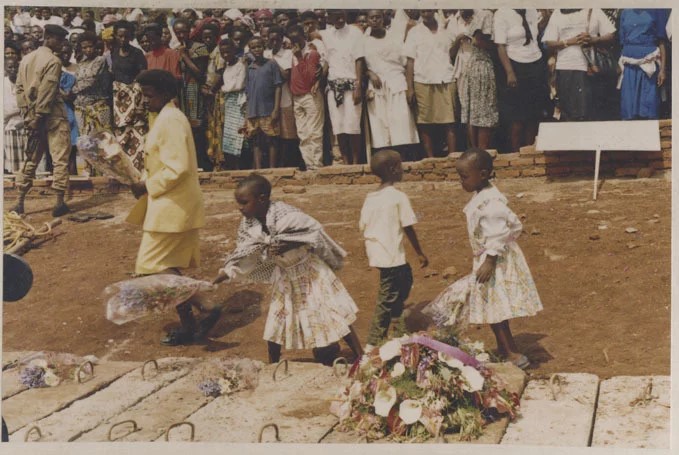
Ethnic divisions had sparked years of violence in Rwanda. Those divisions had roots in the practices of the country’s German and Belgian colonial rulers, as well as decades of inequality between the ethnic groups. By the early 1990s, nearly half a million Rwandans had fled the country amid ongoing attacks between Hutu and Tutsi peoples. Following the assassination of Rwanda’s president in 1994, the violence reached morbid heights. Amid the power vacuum that ensued, Hutu extremists seized control and began carrying out a genocide against the minority Tutsi ethnic group. Hutu military units, nationalist militias, and civilians committed violence against both Tutsis and Hutus who refused to take part in the killing. Over a hundred-day campaign, those groups killed nearly one million Tutsis and one hundred thousand moderate Hutus. In the aftermath of the Rwandan genocide, many countries argued that the violence could have been stopped. Since then, new international norms regarding humanitarian interventions to stop genocide have taken hold. Notably, the genocide spurred all UN member states to endorse the responsibility to protect (R2P) doctrine. R2P commits countries to protect their populations from genocide, war crimes, ethnic cleansing, and crimes against humanity; should they fail to do so, that responsibility—in theory—falls on other countries.
1994
South Africa Holds First Democratic Elections
By the late 1980s, South Africa’s apartheid government faced growing internal resistance, international isolation, and economic sanctions. As pressure mounted, the government began to dismantle the apartheid system. It loosened restrictions on the press, allowed anti-apartheid demonstrations, and lifted a ban on Black liberation parties, particularly the African National Congress (ANC). The government also released political prisoners. One of those prisoners was Nelson Mandela, who had helped lead the ANC’s fight against apartheid. After spending twenty-seven years in prison for protesting apartheid, Mandela—now an international symbol of resistance—was free. In 1994, South Africa held its first election in which citizens of every race were allowed to participate. Millions of non-white South Africans cast their votes for the first time. Mandela’s ANC overwhelmingly won that election, and he became the country’s first Black president. In 1996, the new democratic government ratified a constitution that included protections for equality and human rights, a significant change from South Africa’s decades of institutionalized discrimination. Every year on April 27, South Africa celebrates Freedom Day, a national holiday commemorating the first democratic election that brought an end to the apartheid system.
1996–2003
The Congo Wars: “Africa’s World Wars”
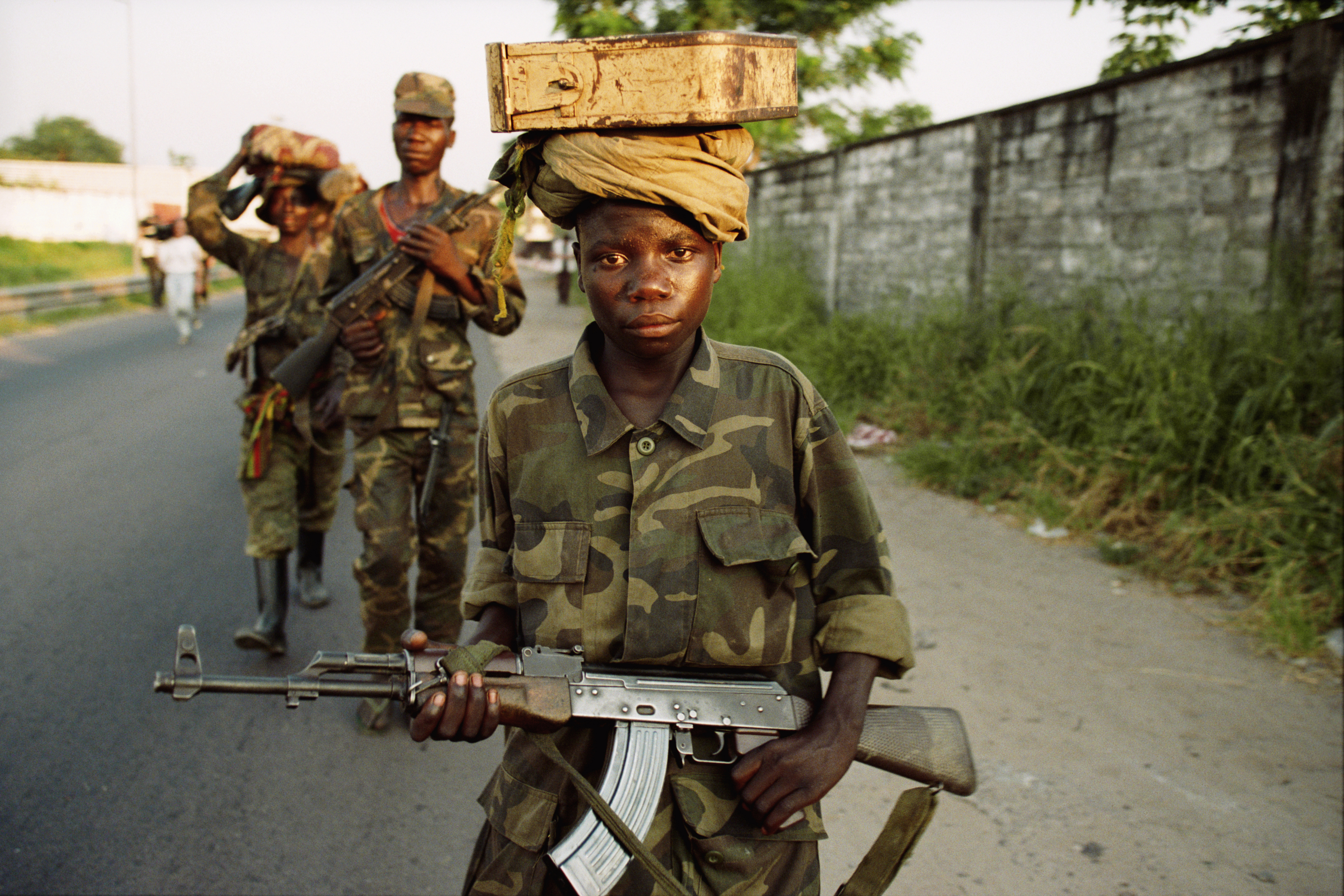
Throughout Africa’s modern history, there have been few instances of interstate conflict, or one country fighting another. However, in the late 1990s, Rwanda launched two invasions of Democratic Republic of Congo (DRC). The first began in 1996. By then, Tutsi-led groups had overthrown the Hutu extremists responsible for the Rwandan genocide. Nearly two million Hutu refugees fled to DRC (then called the Republic of Zaire). Rwanda’s new Tutsi government, arguing that Hutu groups in DRC still posed a threat, sent troops across the border. Angola, Burundi, and Uganda supported Rwanda; they also opposed DRC’s dictator. The Rwanda-backed groups and forces won, installing DRC’s opposition leader as the country’s new president. But the new president soon scorned his allies. He removed Tutsis from his government and ordered foreign troops to leave the country. In 1998, Rwanda invaded again, this time to create a buffer zone between itself and DRC-based Hutu groups. By 2004, over three million people had died in the fighting. The conflict remains largely unresolved today, despite a formal peace. The participation of several countries, as well as the devastating scale of both wars, have led some to label these conflicts Africa’s “World Wars.”
2001
Terrorism Draws the United States Back to Region
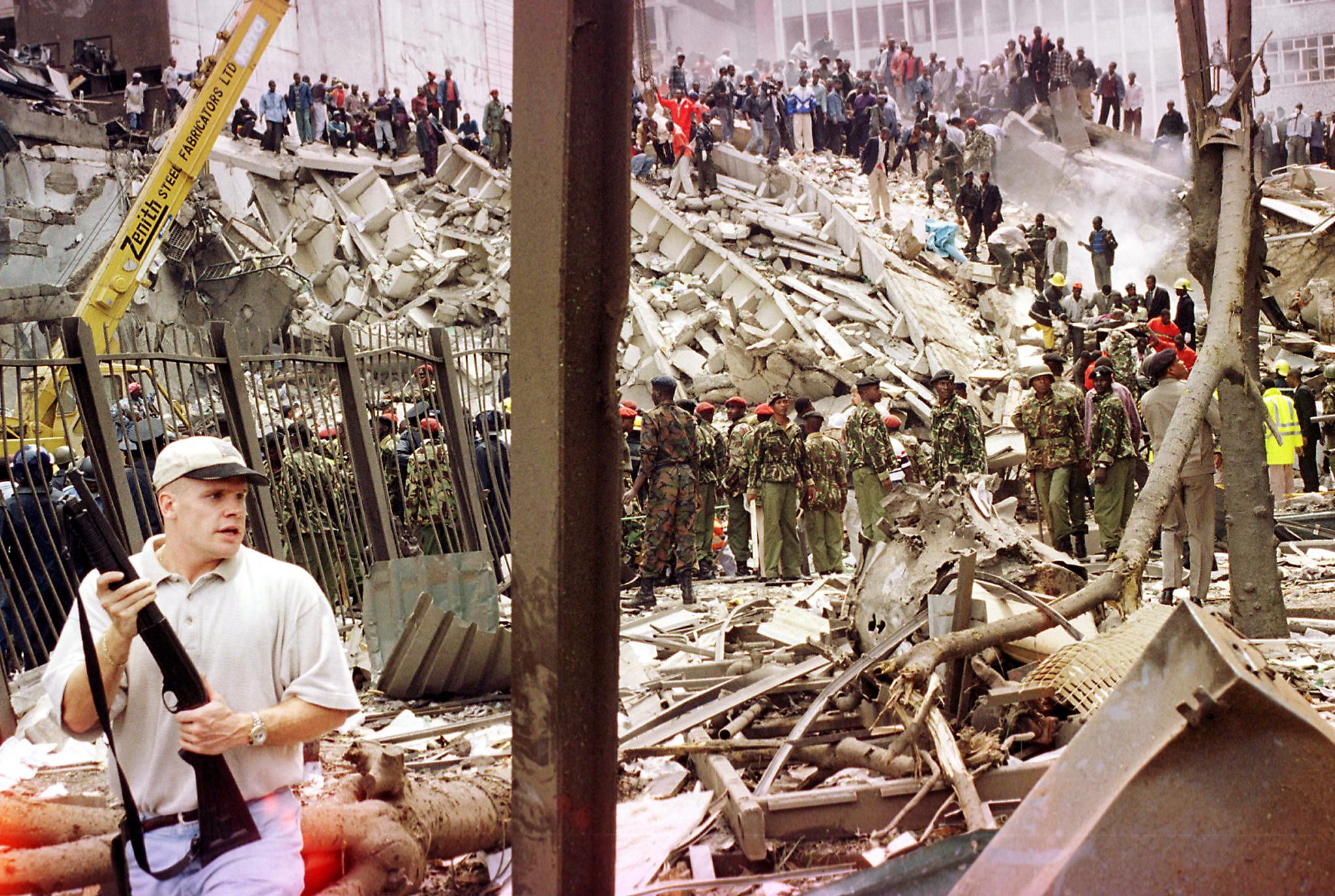
In 1998, the terrorist group al-Qaeda—led by Osama bin Laden—claimed responsibility for two bombings on the U.S. embassies in Kenya and Tanzania. Three years later, al-Qaeda attacked the World Trade Center in New York City. Though on U.S. soil, the 9/11 attacks resulted in renewed U.S. interest in sub-Saharan Africa. That’s because groups related to al-Qaeda—like the self-proclaimed Islamic State and al-Shabaab—operated freely in the region. Over the following decades, the United States conducted counterterrorism operations in more than twenty sub-Saharan African countries, including drone strikes and special forces operations to combat terrorist groups. The number of troops on the ground quietly grew under the first Trump administration to ninety-six operations active in more than twenty countries. To limit the influence of Islamist militant groups in the region, the United States also trains and supports troops from several countries and uses private military contractors to combat terrorists operating out of sub-Saharan Africa. One example is the United States’ cooperation with Nigeria to fight Boko Haram and the Islamic State in West Africa.
2003
United States Launches PEPFAR to Fight HIV/AIDS
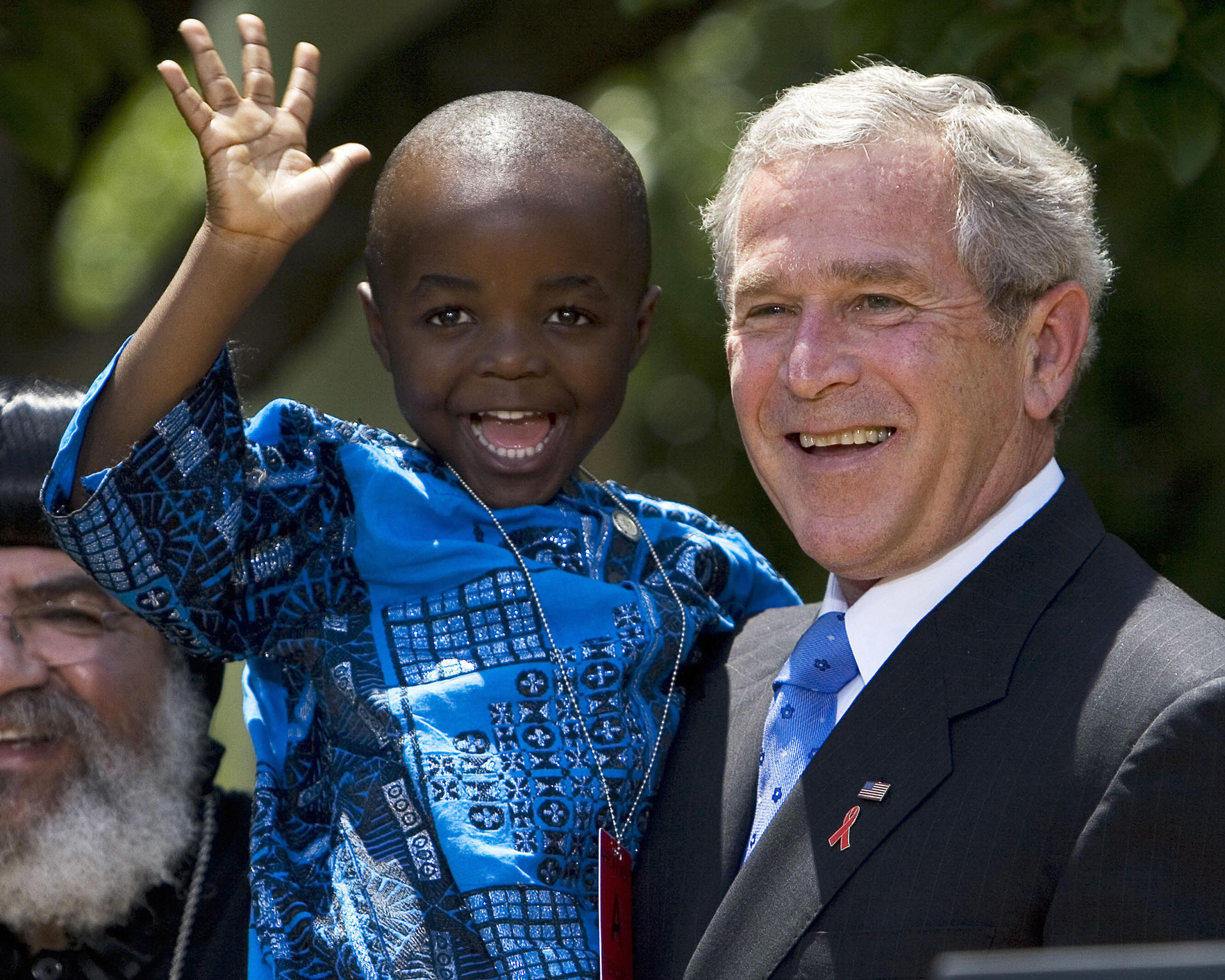
In addition to a new military focus, recent U.S. administrations have revived an interest in global health—in particular, fighting disease. The United States began financing HIV prevention in the 1980s, but funding increased significantly in the early 2000s. In 2003, the George W. Bush administration created the President’s Emergency Plan for AIDS Relief (PEPFAR), which emphasizes a total government approach to fighting HIV and AIDS. In 2004, the U.S. government allocated $1.9 billion to PEPFAR. Since then, HIV prevention has routinely composed the largest share of U.S. global health spending. PEPFAR has provided HIV/AIDS treatment to millions of people across the world, saving a reported twenty-six million lives. Roughly two-thirds of people with HIV live in sub-Saharan Africa, making PEPFAR an essential health program for the region. However, U.S. commitments to the program have recently wavered. The U.S. Agency for International Development (USAID) has historically been the main government body implementing PEPFAR funding. Under the second Trump administration, cuts to U.S. foreign aid in 2025 have led to shortages of workers and supplies in recipient countries. One study estimated that if PEPFAR funding is reduced or eliminated, nearly half a million children in sub-Saharan Africa could die from AIDS-related causes by 2030.
2003–2020
War in Darfur
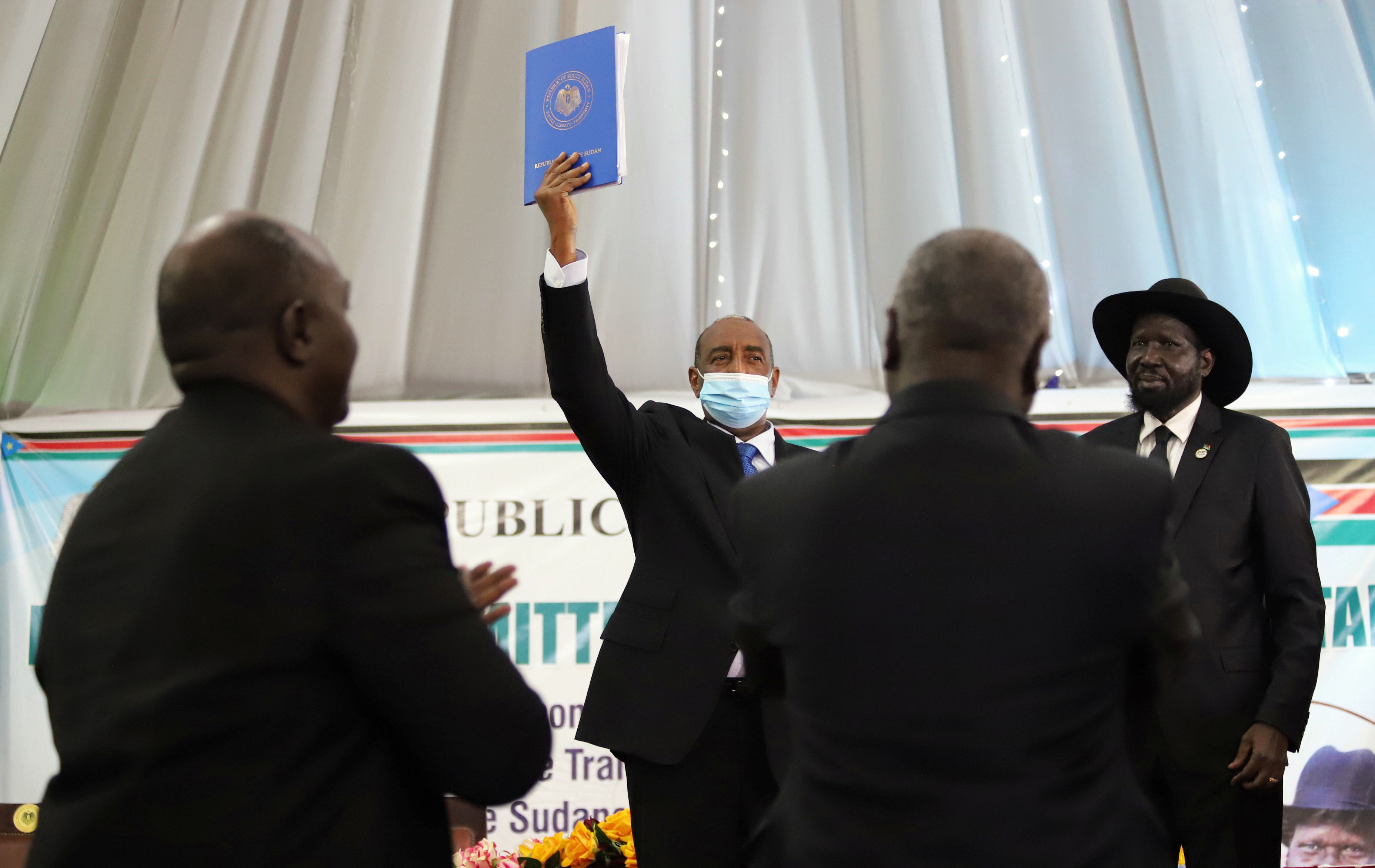
Since gaining independence in the 1950s, Sudan has dealt with deep ethnic and religious divisions, fueling two devastating civil wars. The second war resulted in the formation of an independent South Sudan in 2011. In Sudan’s Darfur region, nomadic Arab groups and Black African farmers historically competed for land. By the 1990s, drought and resource competition worsened those tensions. Some analysts attribute increasing scarcity to climate change, calling Darfur the “first climate change conflict.” Tensions boiled over in 2003 after rebel groups launched an insurgency, protesting the largely Arab government’s treatment of Darfur’s non-Arab population. In response, the Janjaweed—a government-supported Arab militia—launched brutal attacks on both rebels and civilians. The attacks are now widely regarded as a genocide against Darfur’s non-Arab ethnic groups. By 2008, the United Nations estimated that up to 300,000 people had died in the conflict, and another 2.5 million had been displaced. Fighting continued in Darfur until 2020, when rebel groups from both Darfur and the south signed a peace deal with the Sudanese government. However, intercommunal violence and resource scarcity have continued in Darfur, and renewed civil war in Sudan once again threatens the lives of millions of Sudanese civilians.
2020
Countries Use Ebola Lessons to Fight COVID-19
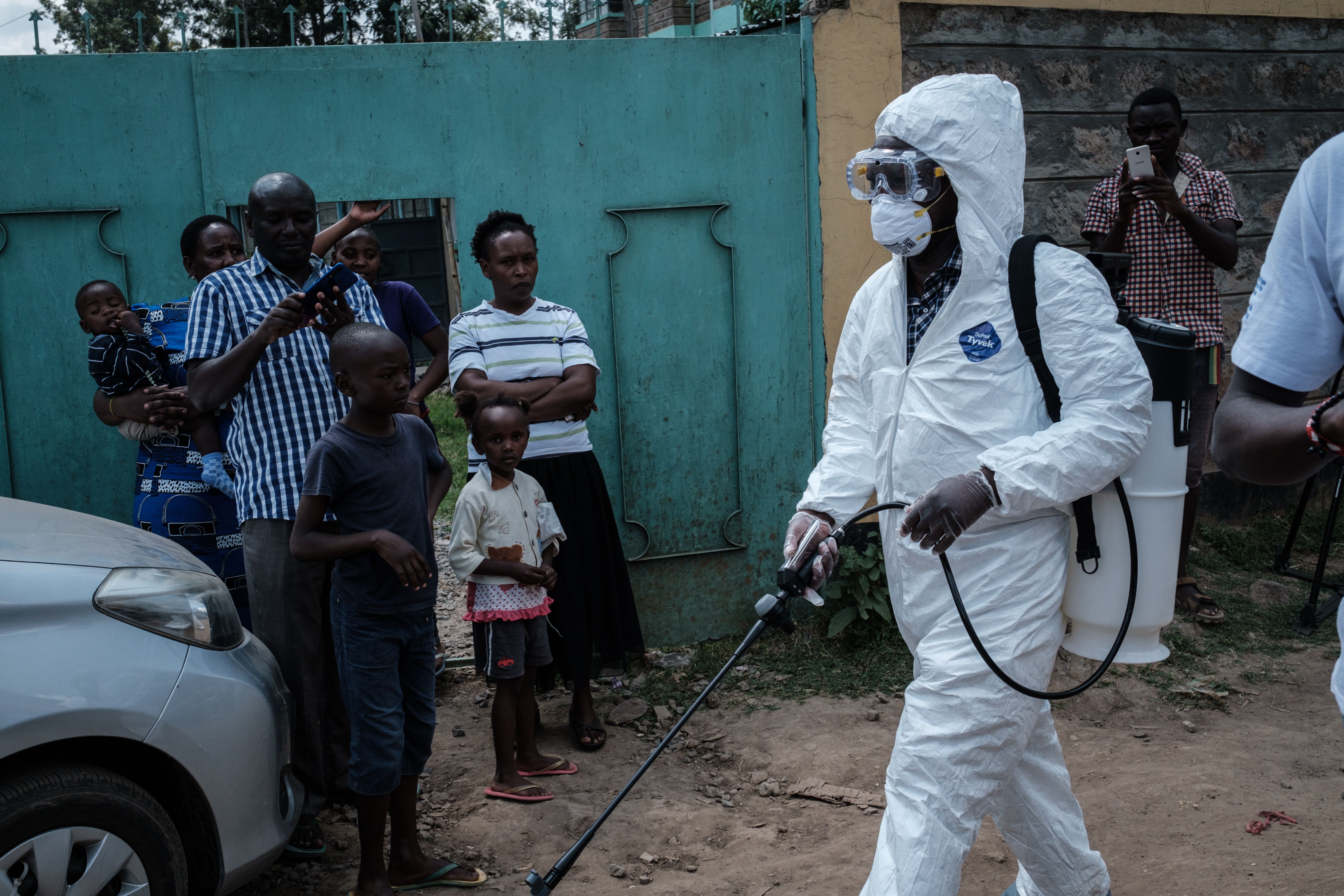
A deadly epidemic of Ebola, a disease caused by a hemorrhagic fever virus that is often fatal in humans, ravaged parts of West Africa between 2014 and 2016. More than eleven thousand people died as poor health infrastructure, weak monitoring systems, and mistrust of health officials complicated governments’ response to the outbreak. When COVID-19 first struck the continent in early 2020, many countries drew on the lessons learned fighting Ebola to meet that new challenge. Kenya and Nigeria quickly closed schools. Uganda banned large gatherings before confirming even a single case. Senegal began developing a $1 COVID-19 testing kit and mobilized Ebola-trained health-care workers to monitor for symptoms. And Liberia managed public distrust by hiring health-care workers directly from local communities. But the region also faced unique challenges. Unlike countries such as Germany or South Korea, which had vast, well-financed health-care systems, many sub-Saharan African countries lacked access to vital lifesaving equipment, like ventilators. As it did elsewhere, COVID also worsened existing challenges. Public health measures intended to slow the spread of the deadly virus—such as lockdowns, travel restrictions, and border closures—disrupted food production and food imports. Meanwhile, some governments, including those of Angola, Guinea, and Uganda, used COVID-enforcement measures as a pretext to crack down on speech and protests.
2020
Present—Conflict Continues
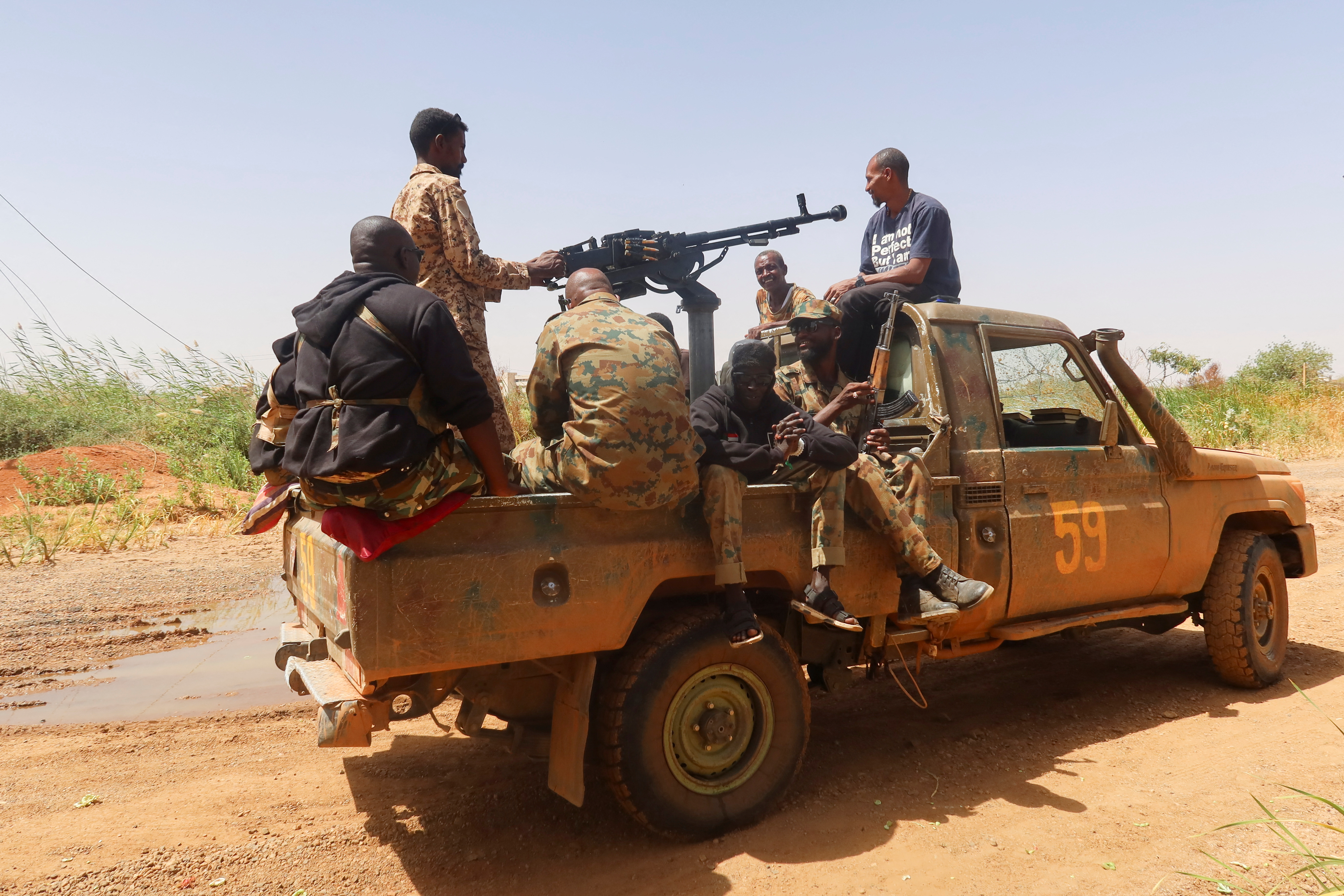
Some of this decade’s most destructive conflicts have taken place in sub-Saharan Africa. They are the result of territorial disputes, ethnic and political divisions, and climate change. Many are continuations of previous conflicts. Since the two Congo Wars, for instance, DRC continues to see widespread insurgency—including Tutsi groups believed to be supported by Rwanda. Other non-state groups, including one affiliated with the Islamic State, also now operate in DRC. Meanwhile, in the Horn of Africa, conflicts have flared in recent years, including civil wars in Somalia and Ethiopia. In Ethiopia’s Tigray region, rebel groups battled government forces in a conflict that killed over six hundred thousand people before a 2022 ceasefire, making it one of the deadliest wars of the twenty-first century. Most recently, Sudan has also seen a resurgence of violence. In 2023, clashes resumed between government forces and rebel groups, as well as other armed factions. The violence began in the capital, Khartoum, but has since spread, displacing over eleven million people. Floods and droughts have also led to famine. As of 2024, nearly two-thirds of Sudan’s population was in need of humanitarian assistance.
Learn More


