Modern History and U.S. Foreign Policy: The Americas
From colonization to the Cold War, learn about the major historical moments that have shaped the Americas.
The first inhabitants of the Americas arrived some twenty thousand years ago. They set up advanced civilizations with complex theologies and mature agricultural methods.
But after millennia of relatively independent evolution, the Americas’ isolation ended in the fifteenth century. Spain and Portugal financed voyages across the Atlantic Ocean in search of trade routes, spices, and minerals. Those two countries, along with Britain and France, divided the landmass and created lucrative colonies, devastating Indigenous populations through warfare and disease: by 1600, the once-thriving population of the Americas was reduced by 90 percent.
Governed by Europeans and bolstered by the slave labor of more than twelve million Africans, the colonies became the foundation for the modern countries of the region.
Since the 1800s, the United States has positioned itself as the preeminent power in the Americas. Early U.S. presidents declared that the region should be free of foreign (mainly European) interference. And as it grew in size, wealth, and military power, the United States began to make this vision a reality.
In the twentieth century, an obstacle to that vision arose: communism. The United States feared the spread of this political ideology across Latin America and the Caribbean. That fear, alongside U.S. business interests, led the U.S. government to intervene in the region. U.S.-supported groups toppled unfriendly governments—even those that were democratically elected. Those interventions frequently empowered dictatorships that supported U.S. interests but committed human rights abuses. Tens of thousands of people disappeared under those violent regimes, with millions more seeking refuge in neighboring countries.
Today, the United States continues to grapple with the effects of its past interventions while addressing other regional challenges, such as those related to drug cartels, economic stability, and migration. Here are some of the most important moments in the history of the region—and U.S. foreign policies toward it—that shaped events in the Americas for centuries.
1503–1866
American Economies Are Built Through Slave Labor
Slavery in the Americas lasted well into the nineteenth century. Between 1503 and 1866, Europeans brought more than twelve million captured Africans to the Americas. European colonial powers relied on the profits from enslaved labor to fund their military campaigns, expand their empires to other continents, and stay competitive as they vied for global trade dominance. Enslaved people were sent to every part of the region, though three-quarters were sent to Brazil and the Caribbean. Enslaved people (including both Africans and Indigenous people) performed backbreaking work on plantations that grew sugarcane and other cash crops and in mines that produced precious minerals such as gold. Their labor was integral to the region’s economies. It would take centuries for countries to turn against the practice. Slavery was first ended in Haiti in 1794. In 1833, the British abolished slavery throughout their empire. And three decades later, the United States fought a civil war over the future of slavery; it was ultimately abolished with the passage of the Thirteenth Amendment in 1865. The last country in the Western hemisphere to abolish slavery, in 1888, was Brazil.

1776
Enlightenment Values Inspire American Revolution
In the eighteenth century, a wave of new ideas reshaped social and political life in Europe. Known as the Enlightenment, the intellectual movement promoted individual rights and freedoms. Its main concepts—such as liberty, equality, and the separation of church and state—still guide political systems today. As Europe’s empires expanded globally, those Enlightenment values spread overseas. In Britain’s thirteen American colonies, colonists who were frustrated by their lack of political representation used Enlightenment values to justify their declaration of independence and subsequent war against Britain. Following the American Revolution, those values would become enshrined in the U.S. Constitution, even though one of the central tenets—equality—was initially mostly reserved for landowning white men. Nevertheless, the U.S. Constitution and its Enlightenment values would serve as a model for future constitutions in countries such as Australia and Mexico.

1800s
Latin American Strongmen Replace European Colonizers
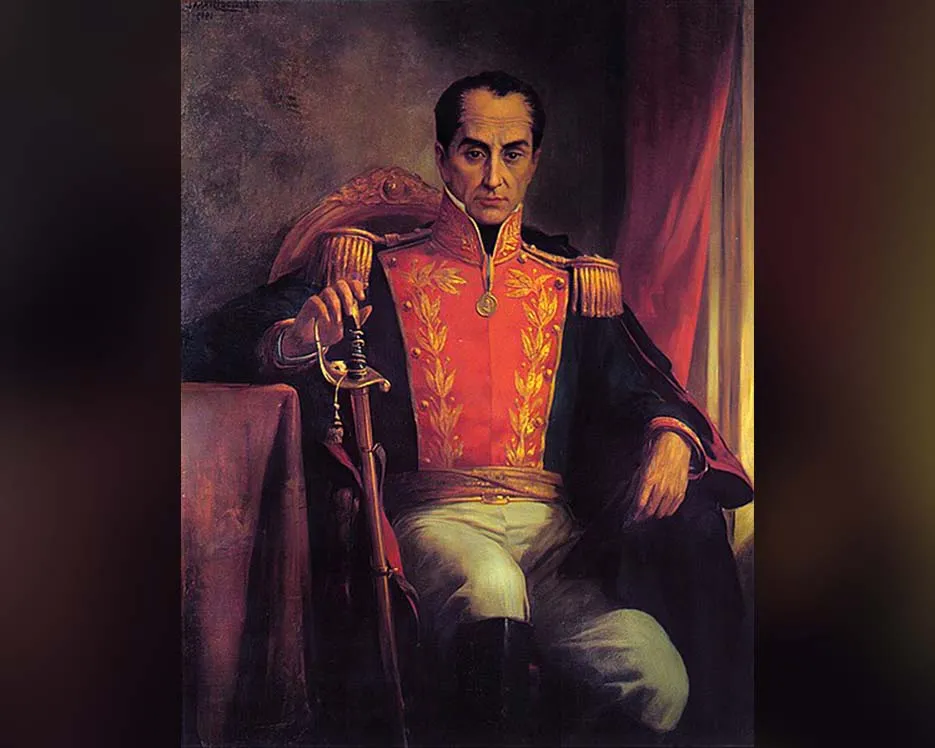
In Spanish and Portuguese colonies, having European ancestry was key. The few who both claimed exclusively European heritage and were born in Spain or Portugal tended to have the most power and property. Faced with those systems of discrimination, Latin American revolutionaries overthrew many colonizers in the early nineteenth century. Leaders like Simón Bolívar—whose opposition to Spanish rule helped achieve independence for Bolivia, Colombia, Ecuador, Peru, and Venezuela—pledged to eliminate the colonial-era racial hierarchies. But in reality, independence rarely brought about equality or democracy. Rather, caudillos (“strongmen,” like Bolívar, who often led independence movements) frequently perpetuated the same unequal, undemocratic systems that benefited the landowning elite. Instead of creating political systems that promoted equality among the region’s diverse groups, including Africans, Europeans, Indigenous people, and those of mixed race, caudillos preserved hierarchies that favored the light-skinned and the wealthy—systems of power that shape Latin America to this day.
1791–1804
Haitians Defeat French Empire
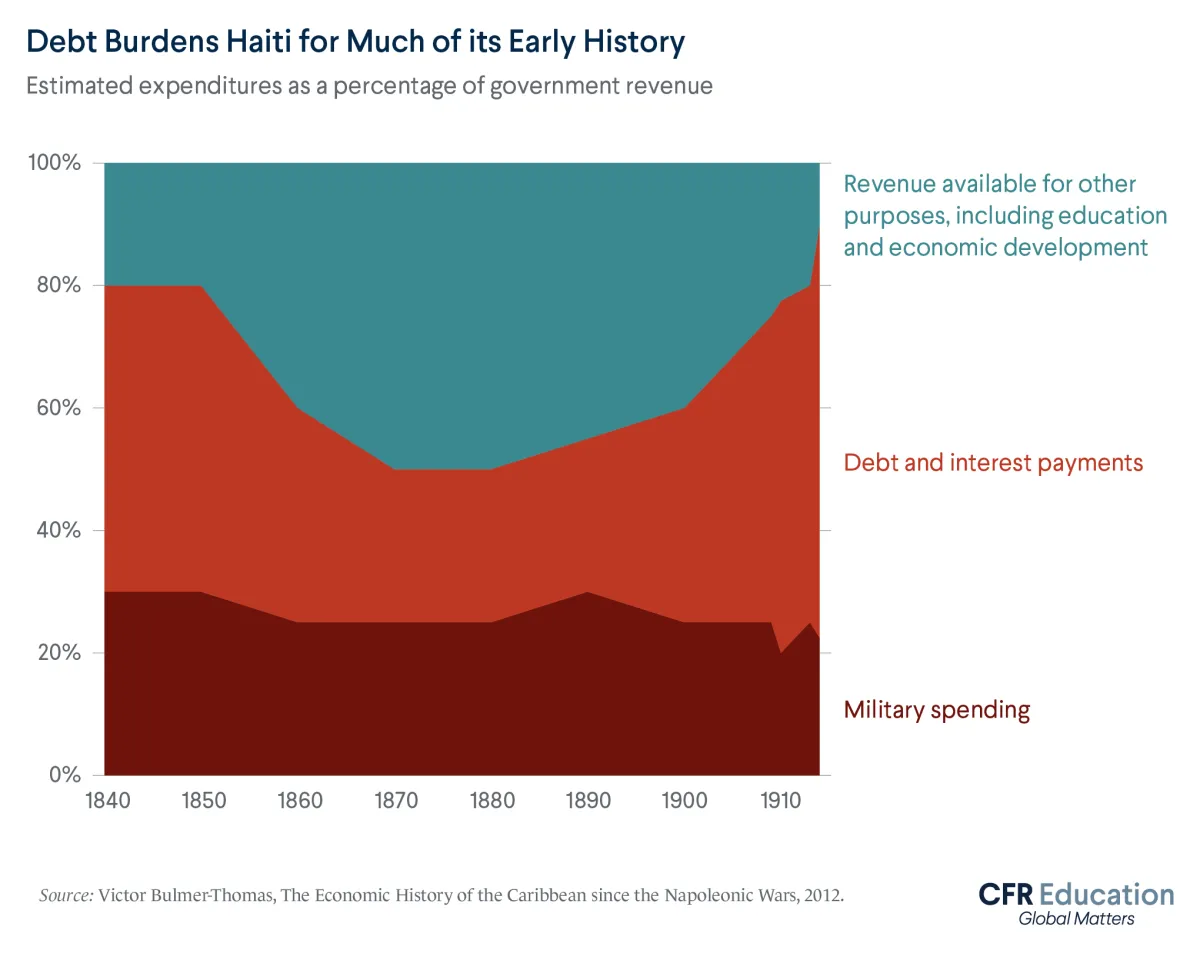
Haiti was the French empire’s most profitable colony in the late eighteenth century. The small Caribbean territory—then known as Saint-Domingue—produced 40 percent of Europe’s sugar and 60 percent of its coffee, predominantly through slave labor. But in 1789, revolution upended France as the people overthrew their monarchy in the name of liberty, equality, and fraternity. Two years later, hundreds of thousands of enslaved Haitians—who outnumbered slaveholders ten to one—began demanding those same Enlightenment-inspired rights. After a thirteen-year war, Haitians defeated the French and established the first Black-led republic in 1804. The European powers, however, did not immediately recognize Haiti as an independent country. Instead, Haiti was internationally isolated and made to pay reparations over the next 150 years to France for the loss of its colony—the equivalent of $20 billion today. That punishment bankrupted the once-prosperous colony, and Haiti today remains the poorest country in the Western Hemisphere.
1803–1848
United States Expands, Displacing Communities
After gaining independence in 1783 the United States quickly expanded across North America. At times, that expansion was peaceful: in the 1803 Louisiana Purchase, the United States doubled in size after buying territory from the French, who had mostly abandoned their imperial ambitions in the region after their defeat in Haiti’s war for independence. But at other times, expansion came at the expense of local communities. For example, thousands were killed in the Trail of Tears, a U.S. government–led forced relocation of Cherokee people and other American Indian groups from their homes in the southeastern United States to Oklahoma. In 1846, the United States invaded Mexico and—after winning a two-year war—seized territory stretching west of Texas to California. Although white Americans settled that land at little cost, the U.S. government often forcibly displaced American Indians and Mexicans.

1823–1904
Monroe Doctrine, Roosevelt Corollary Form Basis of U.S. Interventionism
The United States has considered the Americas its sphere of influence since the early nineteenth century. In 1823, President James Monroe warned Europe’s imperial powers not to interfere in the Americas, fearing Spain and France would recolonize the region. The so-called Monroe Doctrine, while bold, went largely unnoticed by European countries, which stayed out of the Americas for reasons of their own. At the dawn of the twentieth century, President Theodore Roosevelt amended the Monroe Doctrine to include a more muscular policy, known as the Roosevelt Corollary. The United States would not only act against European powers trying to extend their influence in the Americas but would also directly intervene in regional countries that it saw as weak, unstable, or in any other way vulnerable to foreign influence. Soon the United States was intervening throughout the region, often to advance its own interests rather than just to prevent European influence.

1898
United States Emerges as World Power From Spanish-American War
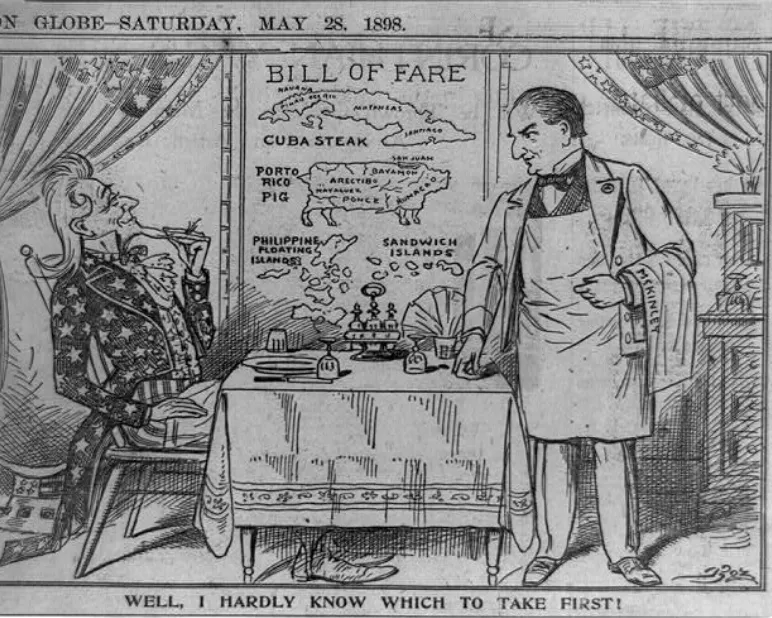
In the nineteenth century, the Industrial Revolution transformed the United States from an agrarian country to an industrial power. The invention of steamboats, increase of manufacturing, and construction of railroads drove prosperity and enabled U.S. expansion across North America. By 1898, the United States began to rise as an imperial power with global ambitions. In what became known as the Spanish-American War, the United States warred with Spain in Cuba, seizing an opportunity to establish American dominance in the Caribbean and remove the last vestiges of the Spanish empire from the region. After only a few months of fighting, Spain agreed to leave Cuba, relinquish its other Caribbean colonies, and cede Guam, the Philippines, and Puerto Rico to the United States. The victory cemented the United States’ status as a major world power with its first overseas territories. Although Cuba and the Philippines eventually gained independence, Guam and Puerto Rico remain two of over a dozen U.S. territories. To this day, millions of people live in those two territories with American citizenship but have varying degrees of political rights and representation.
1903
Panama Canal Transforms United States, Global Economy
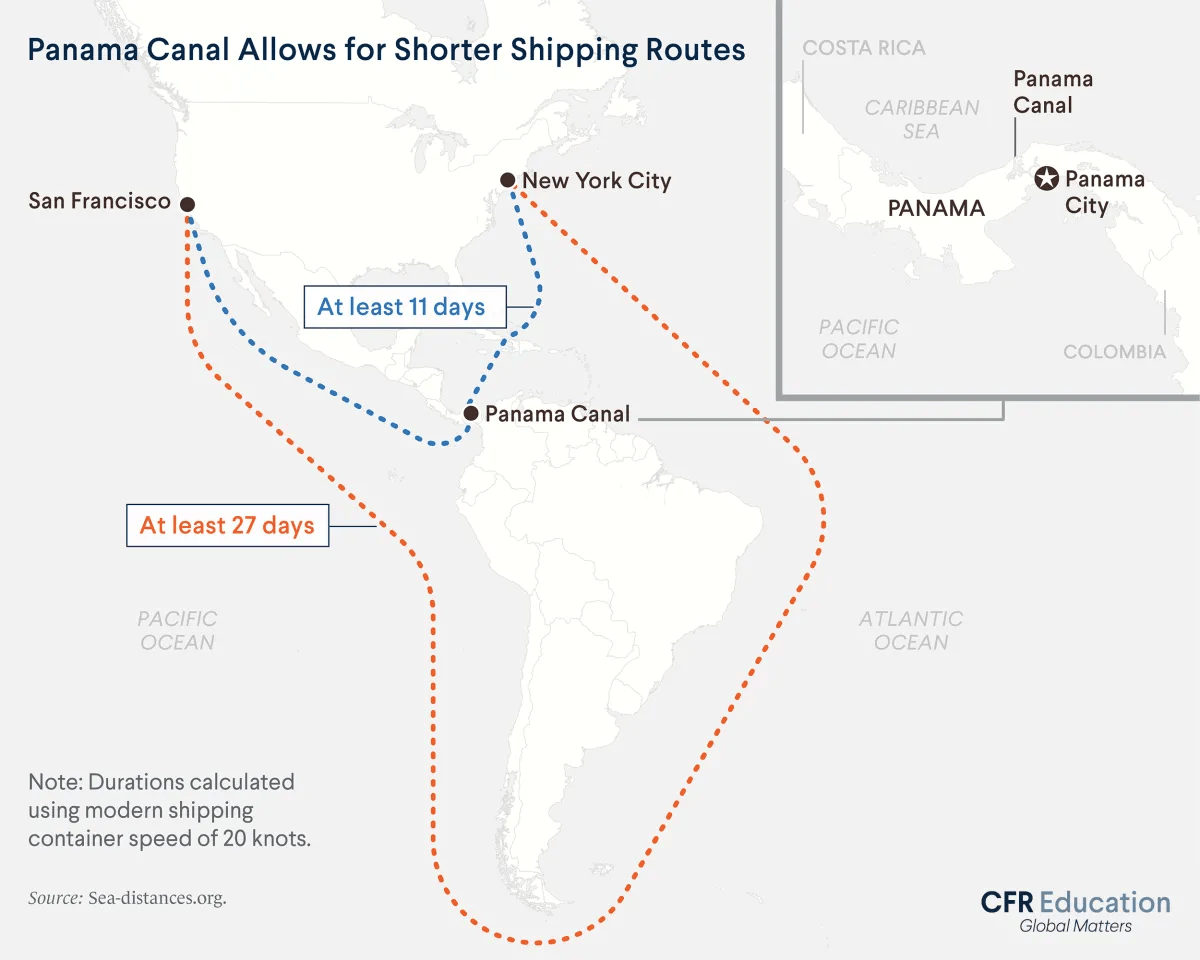
In 1903, the United States sought to lease a piece of land from Colombia to build a canal joining the Atlantic and Pacific Oceans. It would save ships from having to sail an extra seven thousand miles around South America. The project was potentially so lucrative that, after Colombia rejected the U.S. proposal, the United States supported an armed insurrection in northern Colombia. That uprising created a new country, Panama, which quickly granted the United States control over the desired land. Construction of the forty-eight-mile canal was an engineering feat but also a highly dangerous process—one that the French abandoned just a decade earlier. Throughout the canal’s construction, twenty-seven thousand workers died, many from tropical diseases such as malaria and yellow fever. When the Panama Canal opened to traffic in 1914, shipping costs dropped by 31 percent. The United States, meanwhile, gained access to new markets around the world, helping it become a global economic power. It could also sail far more easily between its two shores, encouraging its own economic integration. In 1999, the United States finally ceded control of the canal to Panama.
1934
Good Neighbor Policy: A Short-Lived Alternative U.S. Approach
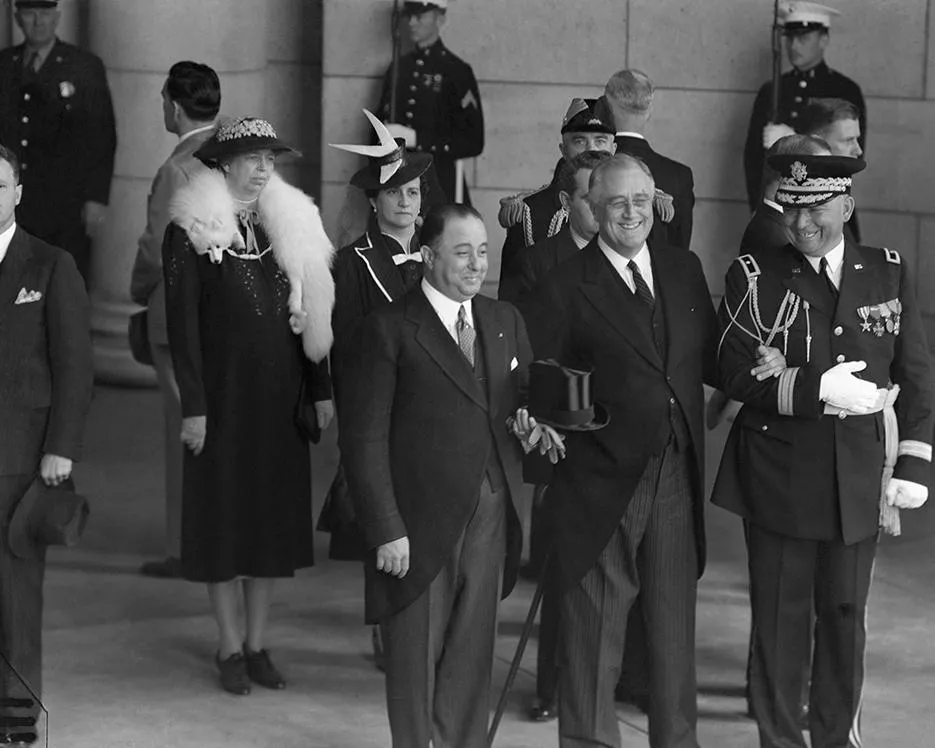
President Franklin D. Roosevelt tried to establish a different kind of relationship between the United States and Latin America—one predicated on trade and diplomacy rather than military intervention. In 1915, President Woodrow Wilson ordered U.S. Marines to occupy Haiti in a bid to foster democracy, promote U.S. economic interests, and deter other foreign influence from the Caribbean country. In 1934, Roosevelt withdrew American troops from Haiti and focused instead on developing the country’s economy. His approach, known as the Good Neighbor policy, ended U.S. occupations in countries like Haiti and Nicaragua. But the Good Neighbor policy proved short-lived, as the advent of the Cold War saw the subsequent return to U.S. interventionism.
1939–45
Latin America Stays Mostly Out of World War II
Sixteen million Americans and one million Canadians served in the European and Pacific theaters of World War II between 1939 and 1945. Most Latin American countries, however, stayed largely neutral, with only Brazil and Mexico sending troops to fight abroad. They did so because of the 1930s Great Depression, which cratered the region’s economies and caused widespread political upheaval. Populist movements and military regimes swept to power in the unrest, leading most countries to focus more on domestic, rather than international, affairs. But that did not mean that the region was totally isolated from the war. Germany carried out espionage and propaganda campaigns to advance its political and economic interests in the region. Further, thousands of Nazis fled to Argentina and other Latin American countries after the war. Meanwhile, the United States worked with regional governments to deport Latin American citizens of Japanese descent to internment camps, where it had already forcibly relocated at least 110,000 U.S. citizens and residents of Japanese heritage.

1950s
Cold War Superpowers Interfere in Latin America
After World War II, the United States and the Soviet Union—the world’s two superpowers—backed opposing governments around the globe. In the Americas, the Soviet Union allied with Cuba’s Communist government. It also supported Communist groups elsewhere in the region, notably in Nicaragua. The United States was even more active. It aided anti-Communist coups and supported pro-American strongmen. But politics was not the only motivation for U.S. involvement. Economic interests also drove policy. Many American businesses invested heavily in Latin American countries. Those companies sometimes pressured the U.S. government to intervene to protect their investments. However, U.S. intervention in the region often came at a great cost for democracy and human rights. For example, in 1951, Guatemala elected a president who favored land redistribution to low-income Guatemalans. The United Fruit Company, which owned plantations throughout the country, paid lobbyists to reinforce suspicions in the U.S. government that Guatemala’s policies were influenced by the Soviets. The United States—through the CIA—then orchestrated a coup. The coup toppled Guatemala’s democratically elected government and gave way to a pro–United States authoritarian regime whose death squads killed thousands of civilians.
1962
Cuban Missile Crisis Nearly Leads to Nuclear War
In 1959, Fidel Castro’s Communist resistance overthrew Cuba’s U.S.-backed dictator. The revolution inspired many people across Latin America, but it alarmed the U.S. government. Castro’s close relationship with Moscow raised the specter of Soviet influence in the region. And U.S. businesses were deeply concerned with Castro’s socialist policies. President John F. Kennedy responded by seeking to reinforce Latin American countries against Communism through U.S. foreign aid. At the same time, the CIA was secretly planning to send militants to Cuba’s Bay of Pigs to stir up a counterrevolution. That invasion failed in 1961 and drove Cuba closer to the Soviet Union. A year later, U.S. intelligence services discovered Soviet-built missile sites in Cuba. The Soviet Union insisted those missiles were strictly to defend Cuba. But the United States argued that nuclear weapons stationed less than one hundred miles from the coast of Florida threatened U.S. security. As a result, Kennedy ordered a naval quarantine of Cuba. Just when nuclear exchange appeared imminent, U.S. and Soviet leaders reached a compromise: the Soviets would remove their missiles from Cuba and the United States would do the same in Turkey and Italy. That thirteen-day standoff, known as the Cuban Missile Crisis, is potentially the closest the world has come to nuclear war.

1960s–1980s
U.S. Intervention Props Up Violent Regimes
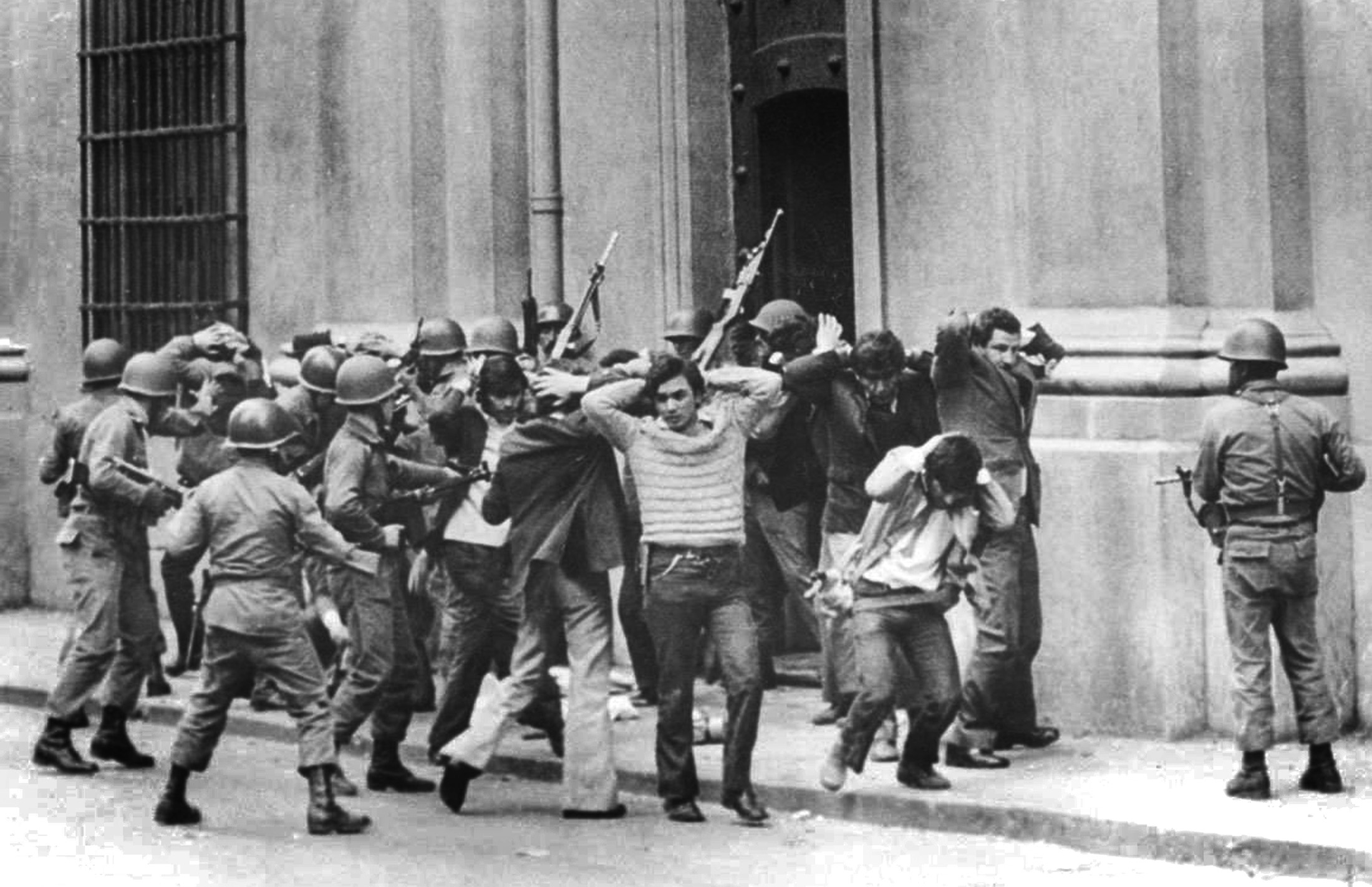
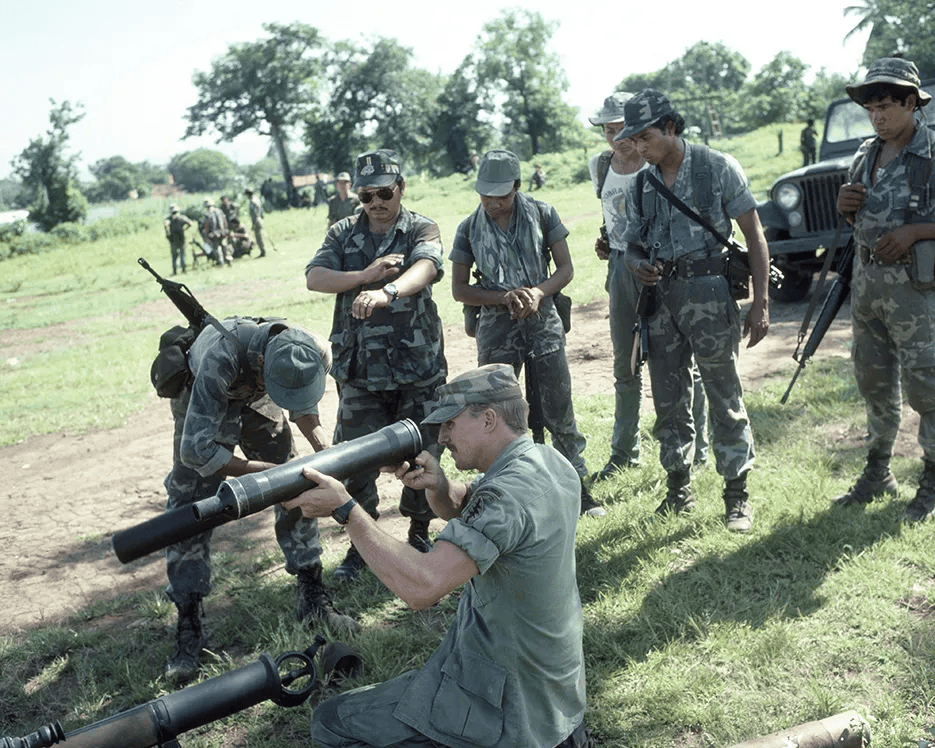
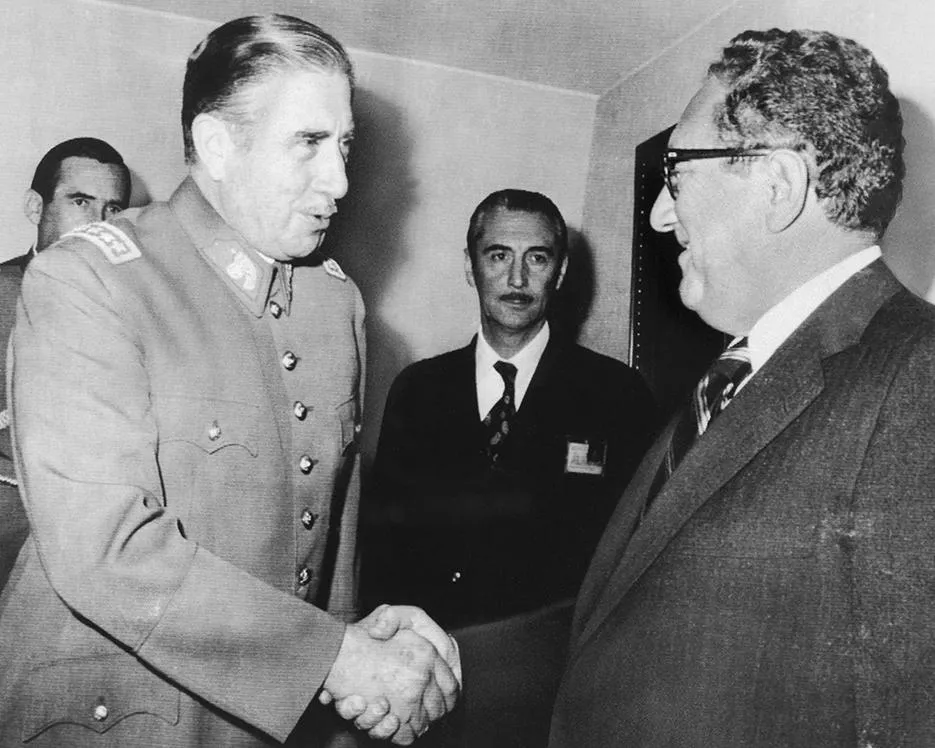
After Guatemala and Cuba, the United States continued to intervene in Latin America. Fearing that communism would influence even more countries, the United States backed a series of military coups to replace left-leaning governments with those friendly to the United States. Once in power, several of those governments embarked on brutal campaigns of repression. In 1973, for example, the United States supported the Chilean military’s overthrow of the democratically elected socialist President Salvador Allende. In Allende’s place, a council of unelected military leaders, or junta, took power. Led by General Augusto Pinochet, the junta suspended Chile’s constitution and dissolved its Congress. The junta soon began coordinating with other Latin American governments, including Argentina, Bolivia, Paraguay, and Uruguay, to share intelligence and target opposition groups. The program, known as Operation Condor, led to the kidnapping, torture, forced disappearance, and killing of tens of thousands of suspected dissidents. In Chile, Pinochet’s regime killed at least three thousand people. In Argentina, the death toll was even higher. In what became known as Argentina’s Dirty War, the country’s military junta killed at least 8,960 people, although the actual number is almost certainly larger. Some estimates range as high as thirty thousand. U.S. government officials knew about Operation Condor and the abuses that followed it but did little to discourage them.
1964–Present
Colombia’s Forever War
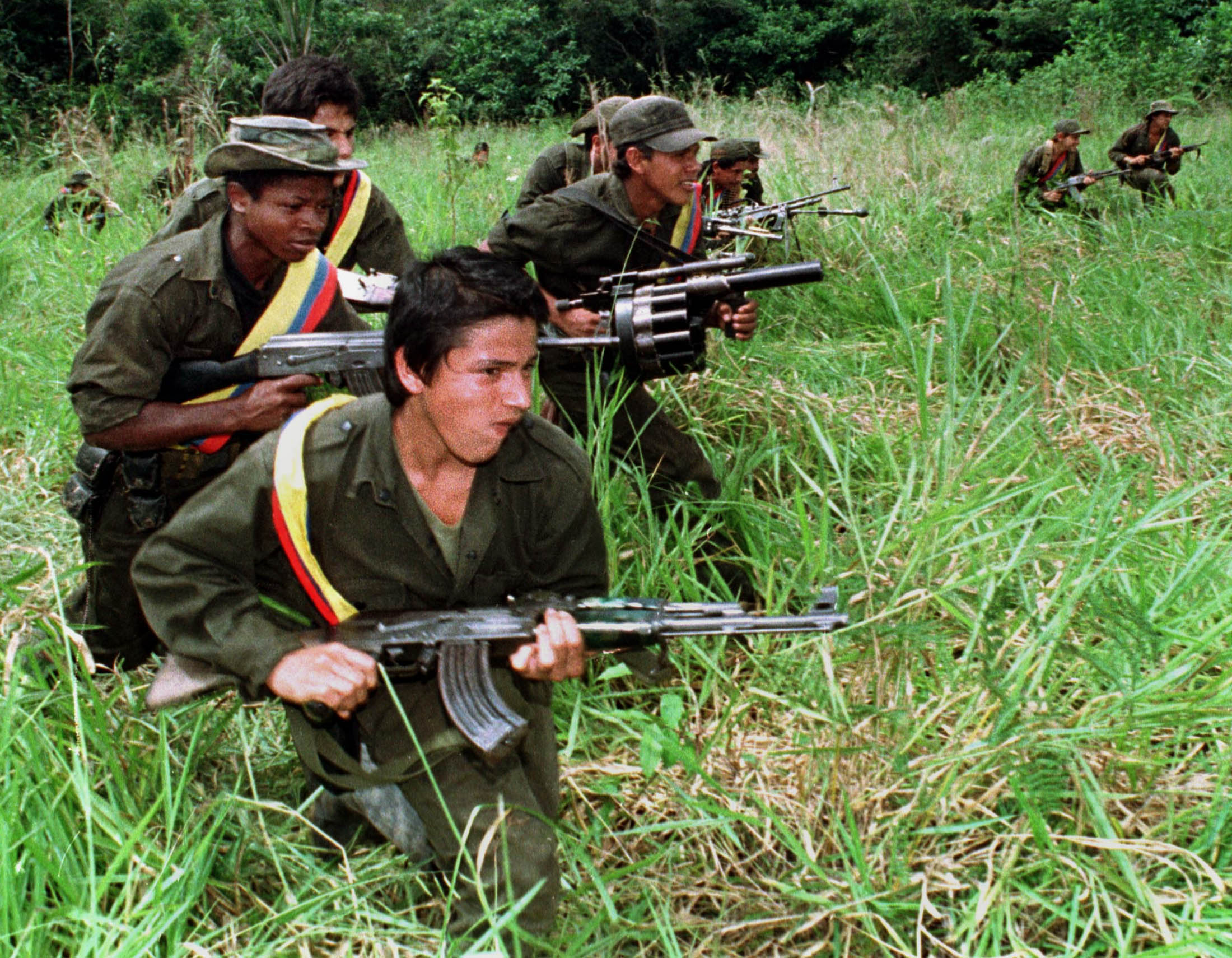
In 1958, Colombia emerged from a decade-long period of political conflict known as the Violence (La Violencia). A power-sharing agreement officially ended the conflict, but not everyone was happy with the resolution. Some political parties reconciled, but others—particularly Communist guerilla groups—were excluded from power. Those groups began organizing into self-protected areas in the countryside. When the Colombian military attacked one of those areas in 1964, the groups organized an even larger armed resistance. Some fighters formed the Revolutionary Armed Forces of Colombia (FARC). Another group, the National Liberation Army (ELN), was made up of students and intellectuals inspired by Castro’s Cuban revolution. Those groups claimed to represent Colombia’s rural poor. For decades, they fought against government forces (which were supported by the United States) and sometimes against each other. Both groups waged guerilla campaigns in Colombia’s rural regions and employed various terror tactics, including assassinations, hijackings, and kidnappings throughout the country. They also widely relied on ransom, extortion, and drug trafficking to finance their operations. In 2016, Colombia’s government signed a peace agreement with the FARC. Still, the ELN and splinter groups of the FARC remain active, and violence, although much diminished, continues in parts of Colombia.
1971–Present
The United States’ War on Drugs
In 1971, President Richard Nixon declared a war on drugs in the United States. For decades, that war has involved cracking down on drug consumption—particularly including cocaine, heroin, and marijuana—and trying to prevent the growth and processing of illegal drugs abroad. The Nixon administration claimed drugs were a public safety issue. Critics have argued the campaign also had racial political underpinnings, resulting in enforcement efforts that disproportionately targeted leftist groups and Black communities. In Latin America, the antidrug campaign helped fuel violence. The United States sent federal agents to countries including Colombia and Mexico and encouraged their governments to crack down on drug production. In some instances, those enforcement efforts involved abuses including torture and extrajudicial killings. Decades in, many analysts consider the war on drugs a failure. It has not substantially reduced drug use or drug-related crimes. In the United States, over one million people are arrested for drug violations each year, and those arrests disproportionally harm Black Americans.
1986
U.S. Policy Exposed in Iran-Contra Affair
Often, U.S. interventions in Latin America were clandestine. In 1986, one U.S. intervention was exposed to the world. In this case, the intervention happened in Nicaragua. For much of the 1980s, U.S. officials had sent money to anti-Communist guerrillas, known as the Contras, particularly as they fought against Nicaragua’s socialist government, despite a congressional ban on such funding. But some of the money sent to the Contras actually came from secret arms sales to Iran, which at the time was at war with its neighbor, Iraq. News of the arrangement eventually leaked in 1986, and the ensuing disclosures and congressional investigation were a major source of embarrassment to the Ronald Reagan administration. The scandal revealed the U.S. government’s two-faced policy toward Iran and its determination to continue to interfere in Latin America—even by breaking U.S. law. Ultimately, a number of government officials, including the secretary of defense, faced criminal prosecution as a result. The scandal, known as the Iran-Contra Affair, led to greater congressional and public scrutiny of covert actions abroad and of U.S. foreign policy in general.

1989
United States Invades Panama
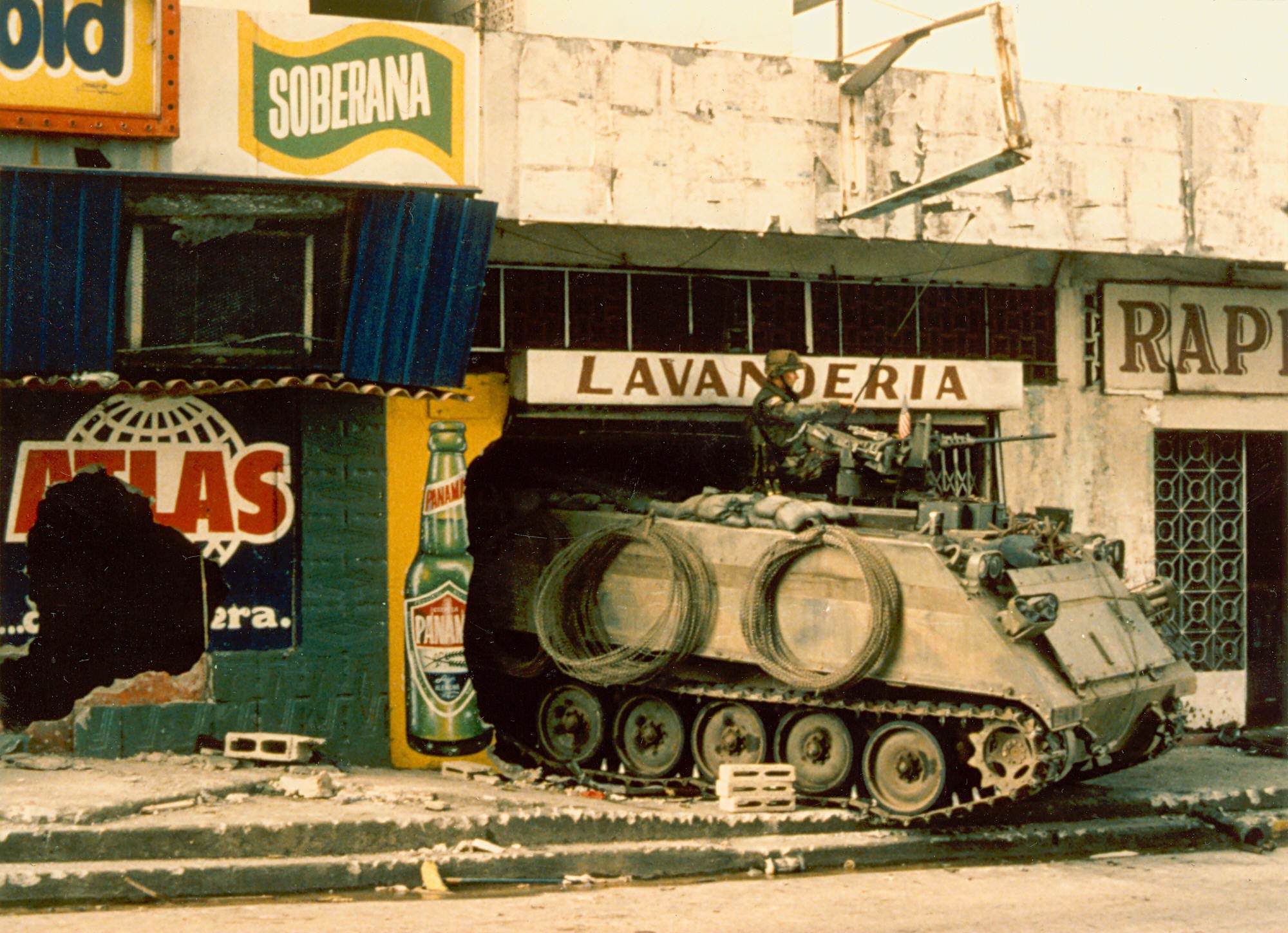
In late December 1989, President George H.W. Bush deployed thousands of U.S. troops to Panama to carry out Operation Just Cause. The goal of the invasion was to remove General Manuel Noriega from power and bring him to the United States to face drug charges. Noriega was once a CIA informant and supporter of the Contras, but after the Iran-Contra affair, evidence of Noriega’s criminal activities—such as the assassination of a political opponent—became difficult to ignore. On top of that, the United States feared that Noriega could compromise its access to the Panama Canal, with potentially disastrous consequences for U.S. trade. Despite the Bush administration’s efforts, Noriega refused to give up power. The subsequent invasion marked the second time in modern history when the United States invaded another country in the Americas. (It had done the same in Grenada—similarly to oust the ruling regime—in 1983.) Noriega ultimately surrendered to U.S. soldiers, though over five hundred Panamanians (approximately two hundred civilians and three hundred combatants) were killed and over fifteen thousand left homeless in the process. The operation led to a democratically elected president governing Panama, but it also resulted in years of economic instability.
1990s–2000s
Hunger for Change Sparks “Pink Tide”
After the Cold War, economists began rethinking how developing countries should run their economies. They recommended fiscal discipline—cutting public spending, for instance, or transferring ownership of things like gas and electricity to private enterprises. Those ideas, known collectively as the Washington Consensus, prompted backlash in Latin America. Citizens across the region took to the polls, electing socialist leaders who promised to restore public services and combat the region’s growing inequality. That wave of elections was known as the Pink Tide (named as such because many of the leaders elected, though socialist, espoused more moderate policies than the “red” ideals of communism.) Leaders like Venezuela’s President Hugo Chávez and Bolivia’s President Evo Morales reversed Washington Consensus reforms and made formerly private economic sectors state-owned. Others, like leaders in Argentina, Brazil, and Chile, focused on delivering social services while maintaining free market principles. At first, many of those policies proved to be a success. A spike in global prices for resources like oil and metals helped governments spend more on social services. But those prices then went down. Soon many Latin American countries voted in more conservative, capitalist leaders. Political and economic turbulence following the COVID-19 pandemic partially reversed that trend, once again ushering in a series of left-leaning leaders that some characterized as a second Pink Tide.

1994
NAFTA Redefines Trade in Americas
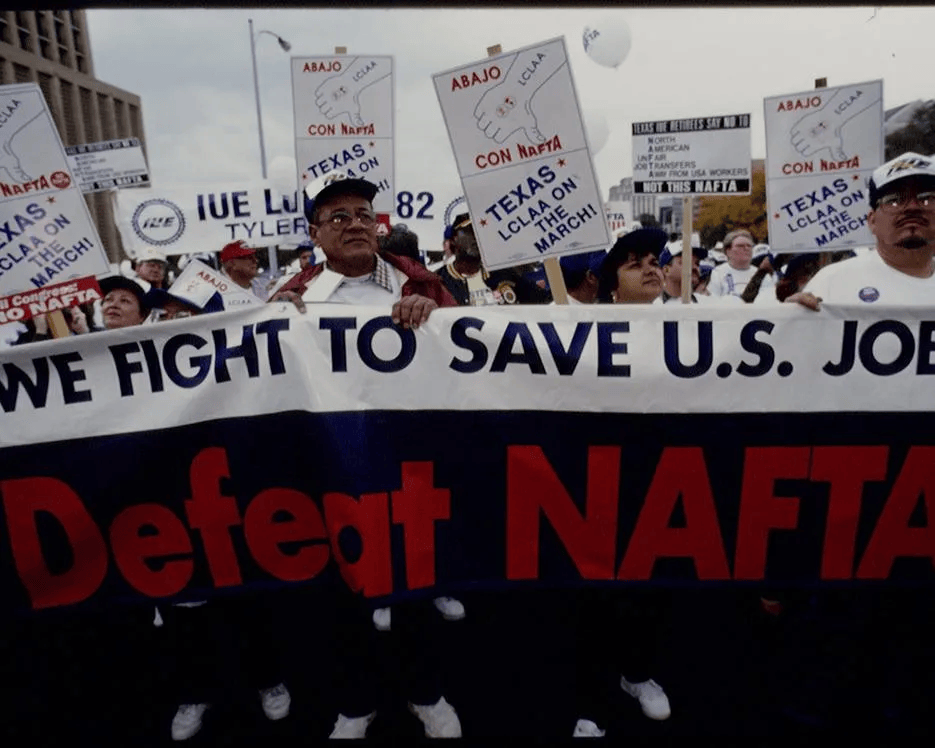
In 1994, the Americas became the home of one of the most ambitious free trade agreements ever written. The United States, Canada, and Mexico signed the North American Free Trade Agreement (NAFTA). NAFTA was designed to increase trade among the three countries by removing or lowering trade barriers such as tariffs and quotas. As with globalization generally, NAFTA brought both benefits and costs to North American countries. In Mexico, the agreement spurred manufacturing, which increased exports and in turn grew the Mexican middle class. But it also eliminated some jobs across the region, stirring sharp opposition among farmers who felt that they could not compete with the influx of cheap imports. In the United States, the deal has similarly become a symbol in the larger debate over globalization. In 2016, concerns about manufacturing jobs moving overseas helped elect President Donald Trump, who promised to renegotiate NAFTA to get a better deal for American workers. In 2018, the three countries signed a revised trade deal called the U.S.-Mexico-Canada Agreement, which updated NAFTA with new laws on the internet and intellectual property and restructured agreements on dairy and manufacturing businesses.
2001
9/11 Reshapes U.S. Engagement in Americas
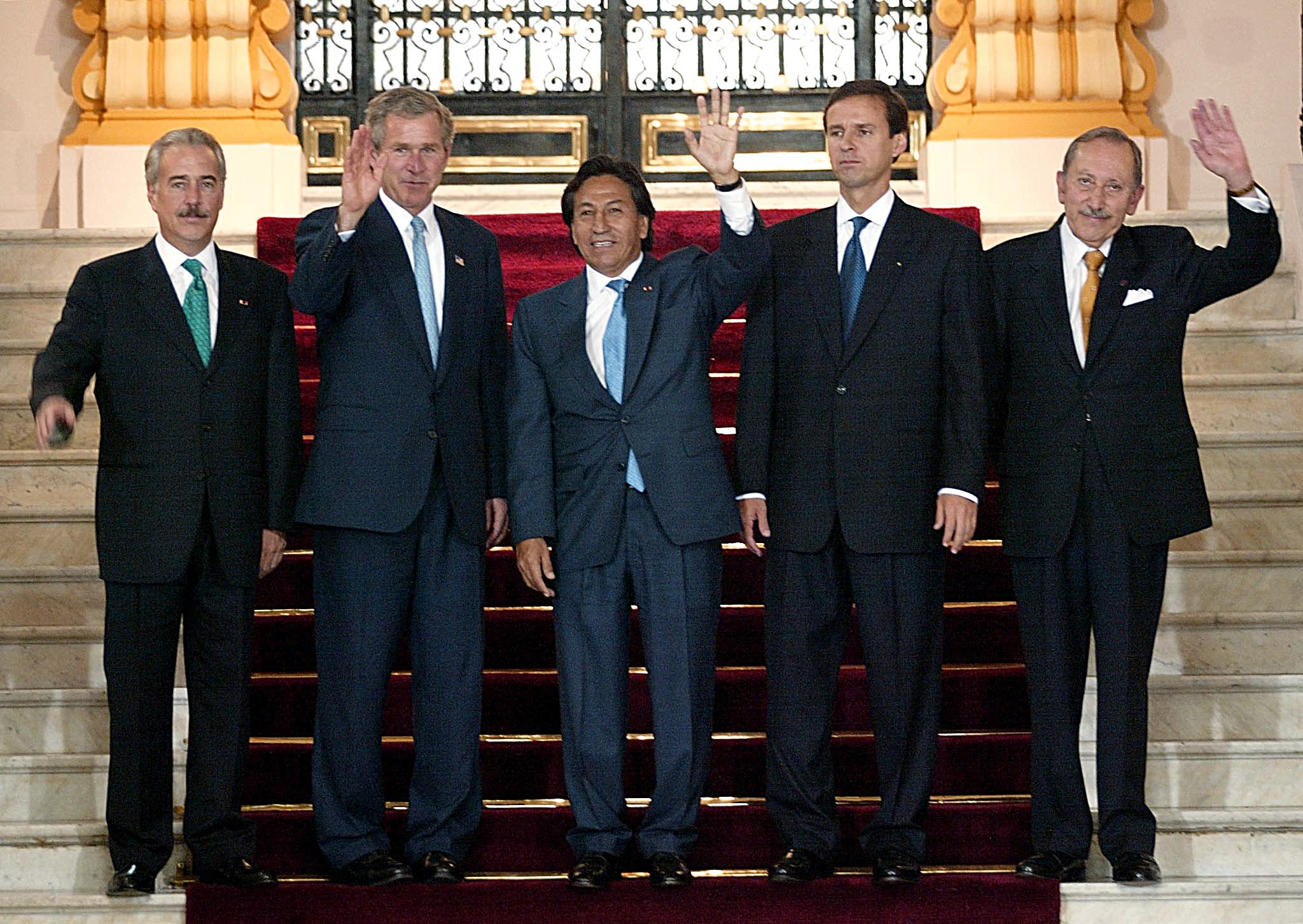
In the years after the Cold War, U.S. foreign policy continued to focus on reinforcing democratic ideals around the world. In Latin America, that approach involved supporting democratic governments, promoting economic reforms, and collaborating on drug trafficking enforcement. But in 2001, U.S. foreign policy refocused. On September 11, members of the Islamist terrorist group al-Qaeda hijacked four commercial planes, crashing two into the World Trade Center in New York City, one into the Pentagon outside of Washington, DC, and one in rural Pennsylvania. Practically overnight, counterterrorism became a top U.S. priority. In Latin America, that new approach meant an increased focus on combatting armed groups. For example, President George W. Bush formulated the Andean Regional Initiative, which provided billions of dollars in aid to Colombia (as well as neighboring countries) for training police and military forces to combat armed groups and halt the drug trade. Critics have argued Bush’s efforts in Colombia reflected an approach that prioritized military action too heavily over social and economic support, led to violence and displacement, and ultimately failed to reduce coca production. On the other hand, the years following expanded U.S. aid saw Colombia end its decades-long war with the FARC and significantly reduce its homicide rate.
2006–Present
Mexico’s War on Drugs
After the fall of several major Colombian cartels in the 1990s, Mexican cartels became more powerful players in the drug trade. In response, Mexico declared its own war on drugs. In 2006, eight days after winning a contested election, Mexican President Felipe Calderón sent 6,500 troops into the state of Michoacán, where rival cartels were fighting for territory. Although the military captured several kingpins, cartel violence persisted. In fact, some analysts argue that Calderón’s militarization of drug enforcement worsened the crisis, spawning dozens of smaller, more violent gangs. Over Calderón’s six-year term, Mexico recorded more than 120,000 homicides, nearly double the number reported during his predecessor’s tenure. Subsequent Mexican administrations have sought to reduce the violence and combat the drug trade, but they have had limited success. Today, crime groups involved in the drug trade continue to kill thousands each year, including politicians, students, and journalists.
2008
Great Recession Hurts Economies Across Region
Starting in the 1990s, home prices in the United States rose unusually quickly. Investment in the housing market also increased, as did jobs related to housing—and the amount Americans borrowed to pay for homes. However, many borrowed more than they could repay, and financial institutions connected to the borrowing process failed to address that risk. In 2007, home prices began to fall abnormally sharply. Everyone took a hit. Everyday Americans could not sell their homes or repay what they borrowed and financial institutions began losing money. That decline in housing prices set off an economic crisis. U.S. unemployment doubled and gross domestic product (GDP) fell 4.3 percent, making the crisis the worst recession in over fifty years. But the United States was not the only country affected. By late 2008, the crisis spread to Europe, where banks had also invested in assets related to U.S. housing. Nearly every country in the world felt the effect of the crisis. Trust in banks plummeted. Trade across the world decreased. In Latin America, the average loss of GDP for 2009 was 2 percent. Mexico’s GDP decreased by nearly 7 percent.
2014–Present
Changing Migration Patterns Pose New Challenges
From the 1980s to the early 2010s, most migrants to the United States came from Mexico. They were mostly adult men, crossing to find seasonal work in the United States. However, beginning around 2010, border officials increasingly began encountering migrants from other Central and South American countries, including growing numbers of families and children. Over sixty-eight thousand unaccompanied children were apprehended at the border in 2014 alone. That shift was due to many fleeing rising violence in Central America—namely in El Salvador, Guatemala, and Honduras, often referred to as the Northern Triangle. (Homicide rates have historically been high in those countries; some experts argue interventions by the United States in the twentieth century contributed to the current instability.) By 2014, migrants were also fleeing for other reasons. Political and economic instability in Venezuela, for instance, drove millions to seek asylum. Those conditions contributed to a dramatic rise in border crossings; in 2022, authorities reported a record 3.2 million encounters with migrants at the U.S. southern border. Meanwhile, immigration has sparked fierce debate in the United States. Many policymakers, especially those in the Trump administration, have advocated for strict border policies aimed at reducing immigration. Others suggest that policies should focus more on the root causes of migration, using U.S. foreign aid to facilitate economic and political stability in Central America.
2020
COVID-19 Hits Americas Especially Hard
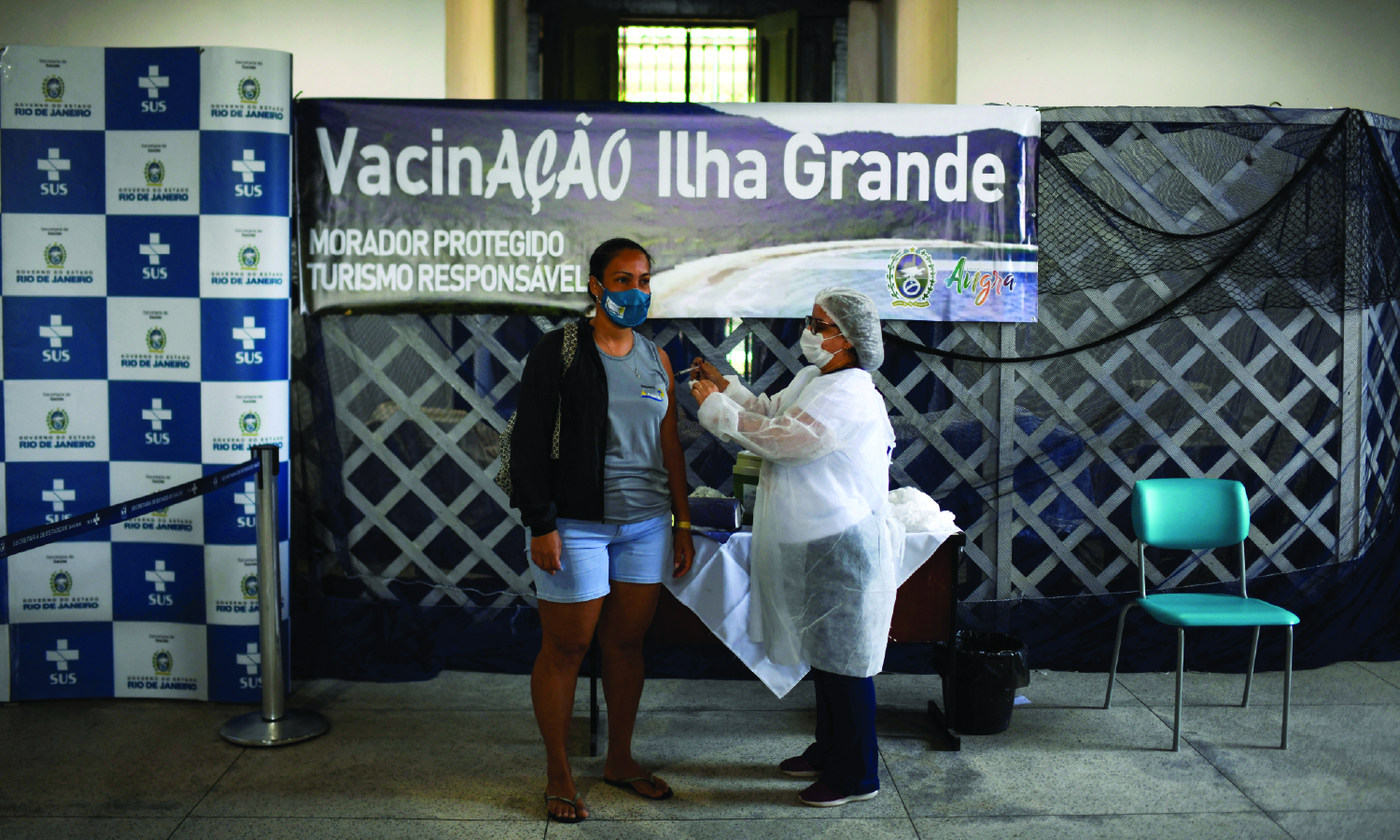
In early 2020, the COVID-19 virus spread across the world, causing a global pandemic. Some countries fared worse than others. Compared to similar developed countries, the United States experienced high mortality rates; it accounted for 20 percent of the world’s COVID-19 deaths in 2020. (Some explanations include a slower national response to the virus and lower rates of testing.) Other countries in the Americas were also hit hard. Brazil’s response to the virus was especially damaging. Brazil’s president downplayed the virus and refused to impose lockdowns. As a result, Brazil experienced one of the highest death counts from the virus. The pandemic also exposed inequalities in the region. In Brazil, experts pointed to widespread poverty and lack of health-care access as factors in the virus’s high death toll—at the time, a quarter of Brazilians lived in poverty. But Brazil was not alone. In Peru, which experienced the world’s highest COVID-19 mortality rate, low-income communities were hit particularly hard. Many could not afford to miss work. Meanwhile, already struggling health systems faced shortages of medical equipment, leaving doctors critically unequipped to treat patients. As the pandemic shed new light on inequality, Peruvians became increasingly dissatisfied with the government. Between 2020 and 2022, the country experienced massive political upheaval, cycling through five different presidents in the span of three years.
2025 - Present
United States Changes Regional Policies
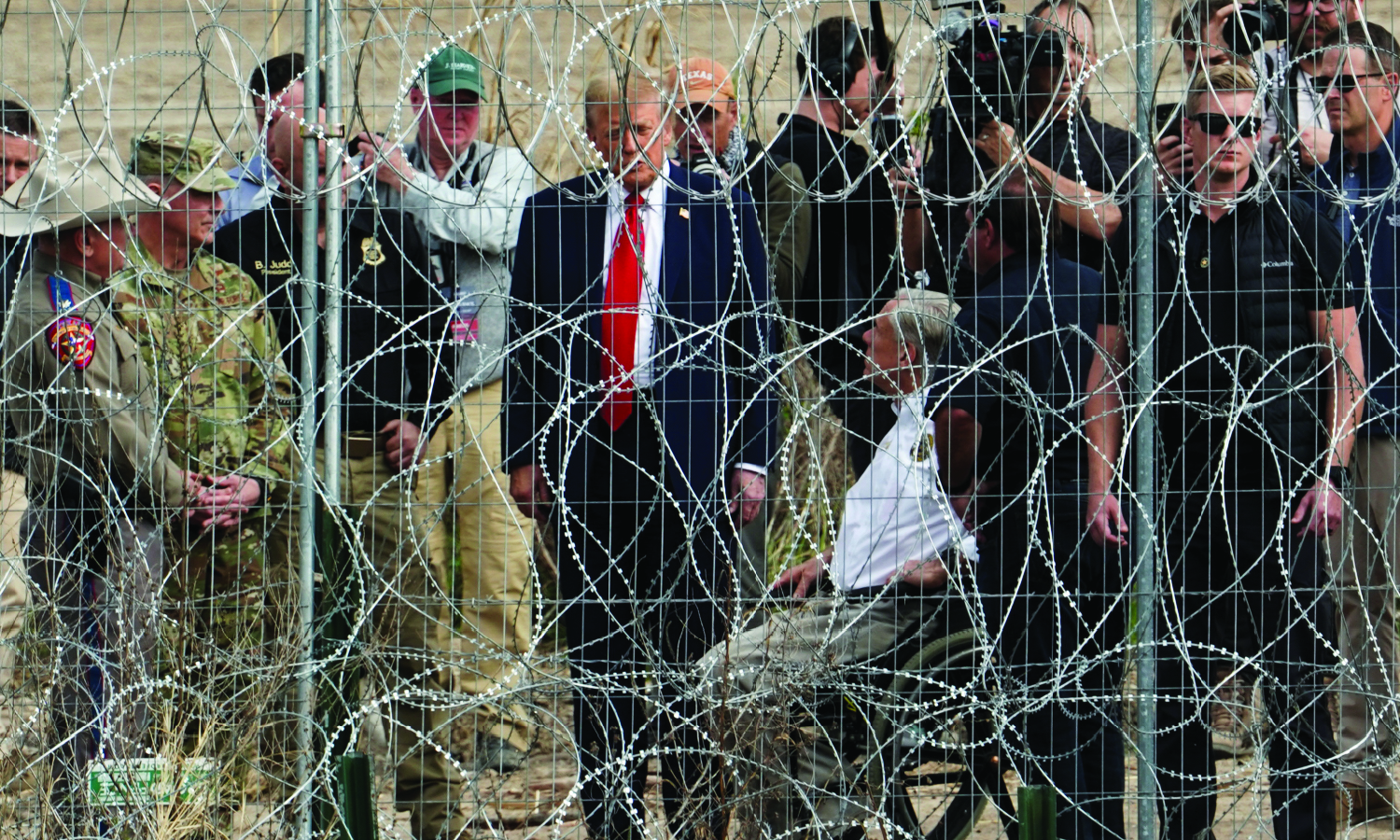
Under President Trump, the United States has begun to rethink immigration policies, longstanding alliances, and regional trade. Citing crime and national security, the Trump administration declared a national emergency on the United States’ southern border. In response, it has increased military presence on the border and instituted new restrictions. Some, like suspending the U.S. asylum system, have been challenged as unconstitutional by immigration experts. Inside the country, the Trump administration has threatened mass deportations targeting the roughly eleven million undocumented immigrants living in the United States. The Trump administration is also rethinking America’s economic relationship with its neighbors. Citing illegal migration and drugs like fentanyl, the United States has imposed tariffs on goods from both Canada and Mexico—the country’s largest trading partners. These changes in policy have sparked criticism from governments and populations alike in the Americas, and fueled rising economic and political uncertainty in the region.
Learn More


