
Earth Day offers educators an opportunity to discuss a defining issue in their students' lifetimes: a changing climate. Recent studies show that young people are not only interested in learning about climate change but are also greatly affected by it personally.
In a world of doomscrolling, where students passively absorb global problems, the classroom should be a place where students learn about solutions and are given the space to think critically about the role they can play in protecting their planet. For teachers, there are many resources available to effectively integrate climate education and meet this moment.
Every classroom is different, which is why CFR Education partnered with two organizations, each with its own unique lens, to help you decide how to discuss climate with your students ahead of Earth Day. Whether you are interested in a global perspective, the impact of climate change on mental health, or are looking for activities throughout the month, this blog has something for you.
CFR Education: A Global Lens
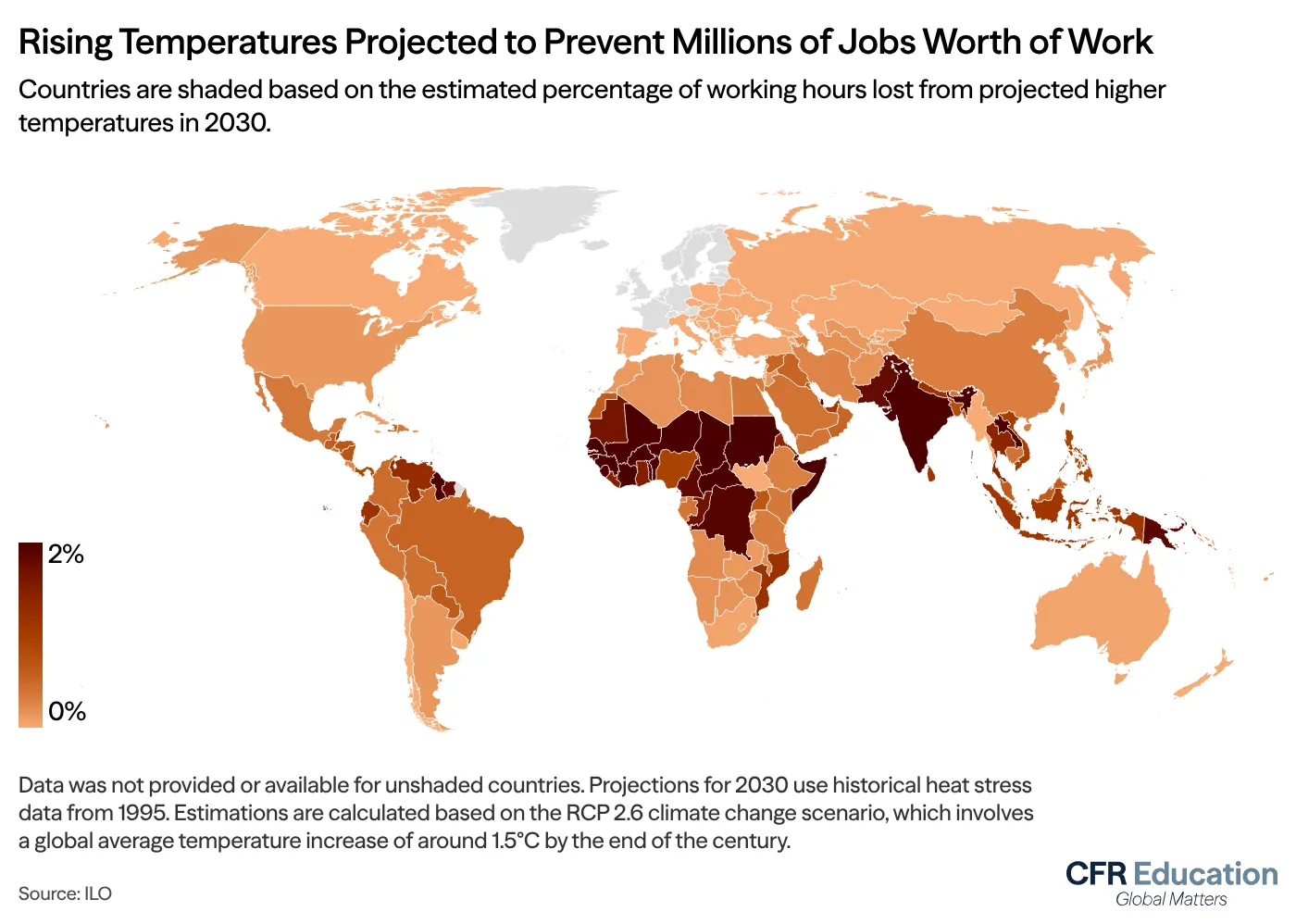
Our planet is home to over 8.2 billion people who live across 195 countries, all of whom are affected by climate change in different ways. And because greenhouse gases, rising temperatures, and extreme weather don’t adhere to national borders, tackling climate change requires a global solution. This Earth Day, teach about climate change through a global perspective with resources from CFR Education, the educational arm of the Council on Foreign Relations.
To get your students started, use this 3-minute video as an entry point to learning about climate change as a collective action problem. Then, share the many ways in which the effects of climate change can impact their lives, from health and economic costs to national security risks. But climate education should focus on solutions, not just the obstacles. At the end of each reading, students will find adaptation strategies that can be done at the local, national, and international levels.
Speaking of coming up with solutions, did you know that CFR Education offers simulations that can put your students in the shoes of policymakers? Explore climate-related simulations such as Stopping Deforestation in the Amazon, Solar Geoengineering and Global Climate Change Policy, to engage your students in discussions on key climate policies.
Explore all of CFR Education’s climate materials to enrich your students' understanding of the material and strengthen their civil discourse skills.
Climate Mental Health Network: Addressing Students’ Emotions
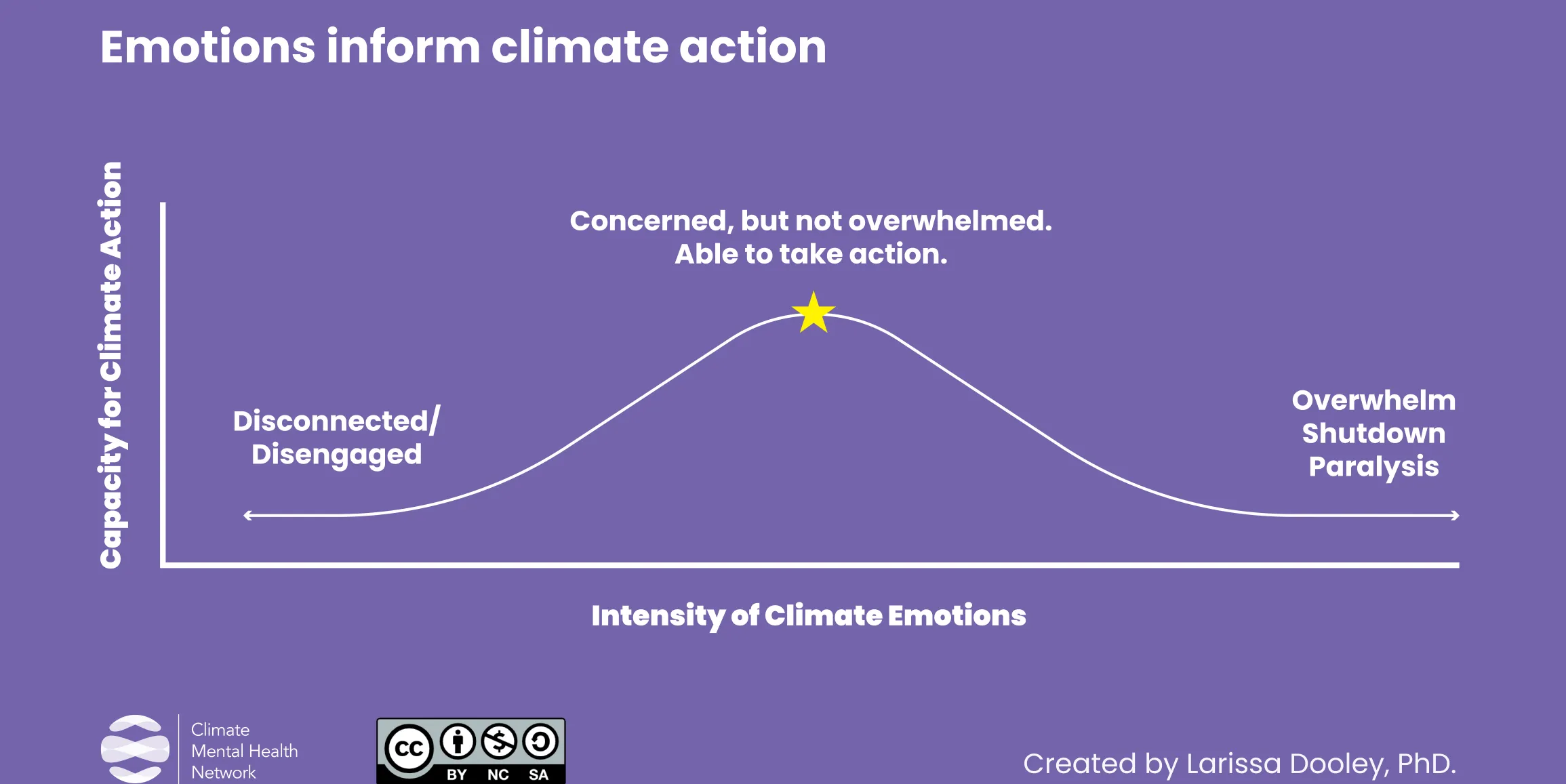
Student mental health should be at the forefront when we teach about climate change or other potentially challenging environmental topics. Young people today are learning and experiencing the emotional and psychological impacts of climate change, experiencing a range of emotions such as anxiety, anger, sadness, and worry. Educators are increasingly encountering these emotional responses while teaching about climate change.
Young people’s nervous systems are still developing, and it’s easy to feel overwhelmed at the scale of the issue. How educators communicate information about climate change can have profound impacts on students' ability to engage meaningfully with the topic now and in the future.
Climate Mental Health Network wants students to learn about climate change in school and use this knowledge to take meaningful action. Educators have the opportunity to cultivate emotional resilience in students through climate education. The goal is for students to hold space for the complexity of a range of emotions and engage thoughtfully with their own emotions, so that they can process information, think creatively, and connect with others. For example, it’s true that climate change has serious implications for life on Earth– we are currently seeing the impacts, and future generations will live in a climate-altered world. However, taking a page out of Mr. Rogers’ book, it’s also true that there are millions of “helpers” in our communities and beyond doing important work to make the world a better place. Taking action is key to managing negative emotions about climate change. Understood this way, the goal is not to eradicate negative emotions like anxiety or concern, but rather to maintain capacity for positive emotions, like joy, wonder, or connection.
The Climate Mental Health Network created the Climate Emotions Toolkit for Educators, the first evidence-based, educator-tested resource to help middle school teachers support students’ emotional responses to climate change in the classroom and to foster their own wellbeing. It contains 10 classroom resources that are aligned to the Next Generation Science Standards (NGSS) and Social Emotional Learning (SEL) competencies, a comprehensive background guide about climate emotions, and 4 meditations created especially for climate educators.
Other resources include:
- Climate Emotions Wheel
- A Guide for Parents and Other Caring Adults
- Building Emotional Resilience Guide
SubjectToClimate: Bringing it All Together
Earth Month can feel like a lot to plan, especially if you don’t teach science or don’t have time for a full unit. One approach we’ve seen resonate with teachers is to focus on place-based, bite-sized activities that connect climate topics to students’ everyday lives. That might look like analyzing local extreme weather patterns in a math class, discussing climate migration in social studies, or examining the toll of climate change on their local economy. When students can see how climate change shows up in their own communities, it shifts the conversation from abstract to personal and empowering.
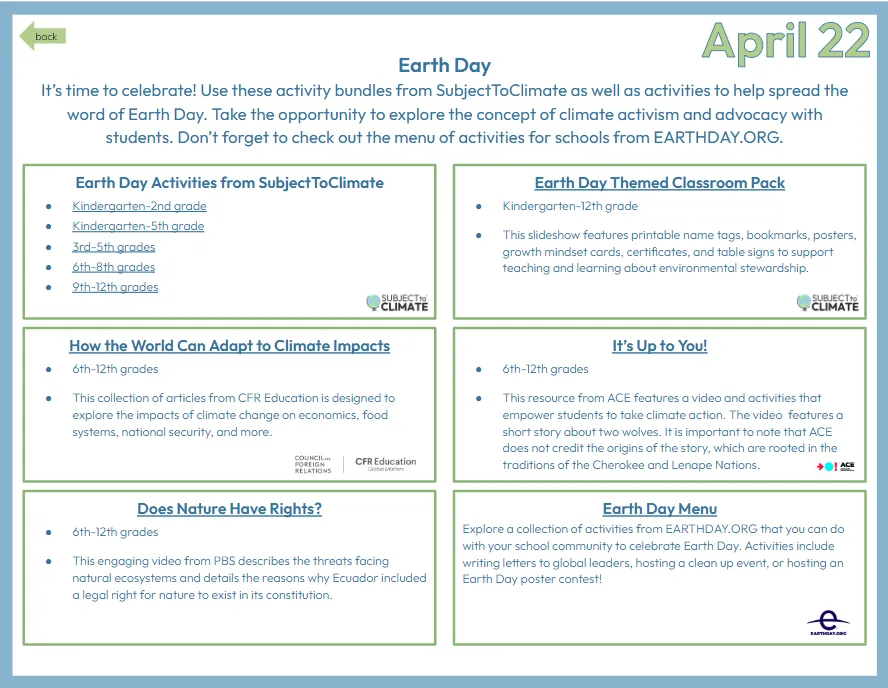
To make this easier, SubjectToClimate curates teacher-tested, scientifically vetted, standards-aligned resources from partners around the world, alongside original lessons designed by teachers for busy classrooms. For Earth Month, we’ve created a flexible calendar and teacher guide with activities you can drop into any grade or subject, whether you have 10 minutes or a full class period. And because climate looks different everywhere, we’ve included a mix of region-specific content, globally relevant topics, and multilingual resources.
How Will You Teach Climate on Earth Day?
Whether you are using SubjectToClimate's calendar of activities throughout the month or picking a resource from Climate Mental Health Network or CFR Education's content libraries, let us know by tagging us on social media!
On X
On Instagram
On Facebook